

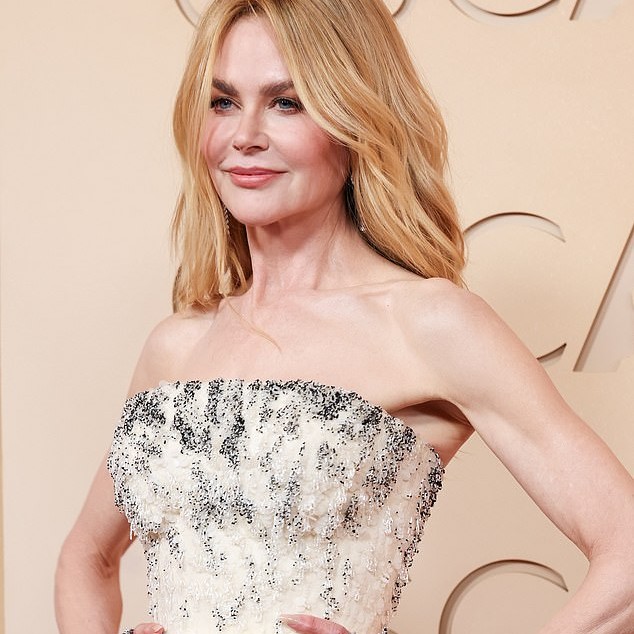
The hottest red carpet accessory isn’t a gown, it’s the same exact nose.
On the Oscars carpet in Los Angeles, you didn’t need 4K to notice it: a parade of softly refined, slightly upturned tips on otherwise very different faces. Whether achieved via contour, good genes, or a quick filler tweak, Hollywood’s noses are suddenly reading from the same script.
And here’s the take: this isn’t so much about secret surgeries as about an industry and an algorithm rewarding one camera-proof setting. Different stars, similar sliders.
The Moment
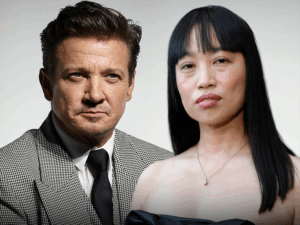
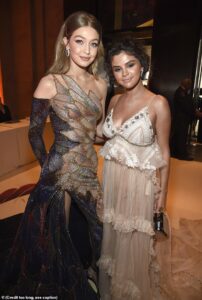
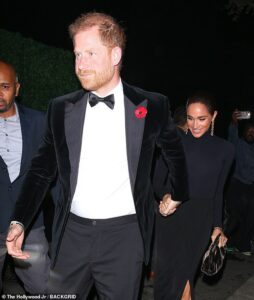
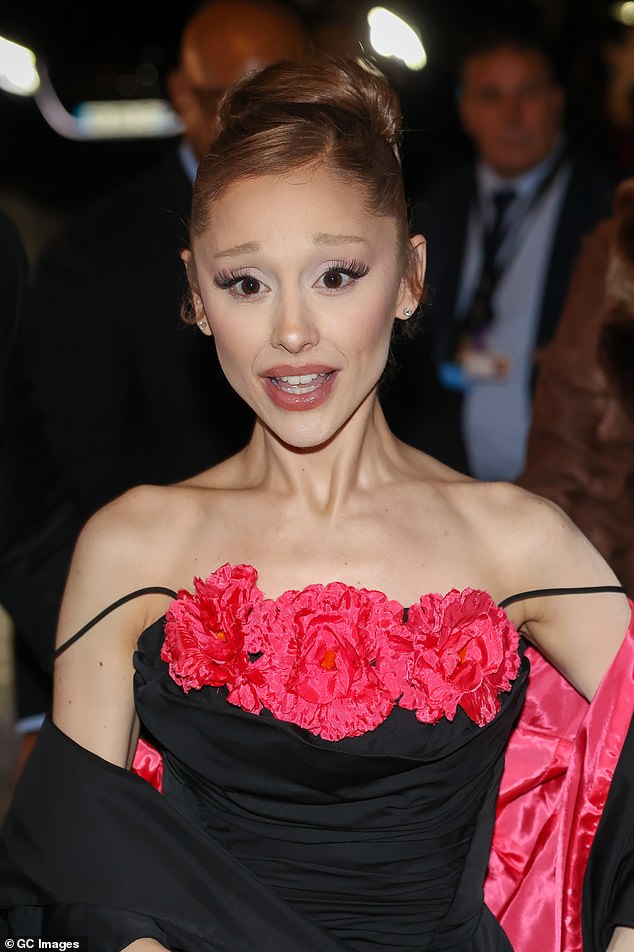
On this year’s Academy Awards red carpet, marquee names like Nicole Kidman, Anne Hathaway, and Margot Robbie presented what looked like variations on the same profile: a straight dorsum, a refined (not pencil-thin) bridge, and a gently lifted tip. In photos from the night, you can spot the look echoed across other fashion fixtures, such as Cara Delevingne, Lily Collins, and Victoria Beckham.
Fans dubbed it the upturned or “celestial” nose, a style that reads youthful and balanced under flash bulbs and unforgiving lenses. Crucially, the look doesn’t require an operating room. Liquid rhinoplasty, subtle shaping with hyaluronic acid filler, can finesse symmetry and tip support in under an hour (with the usual caveats about risks, reversibility, and the need for a skilled, board-certified injector).
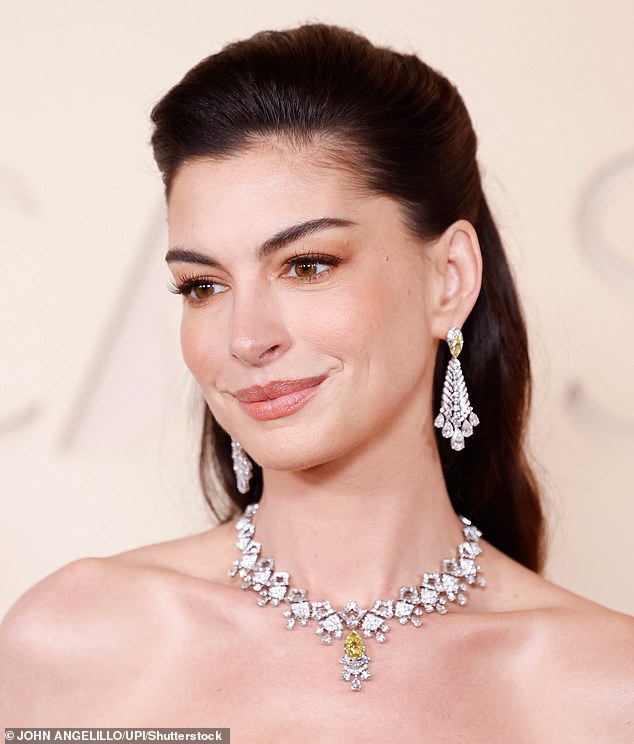
All of which explains the deja vu on the carpet: when you optimize for photos from every angle, the output starts to rhyme.
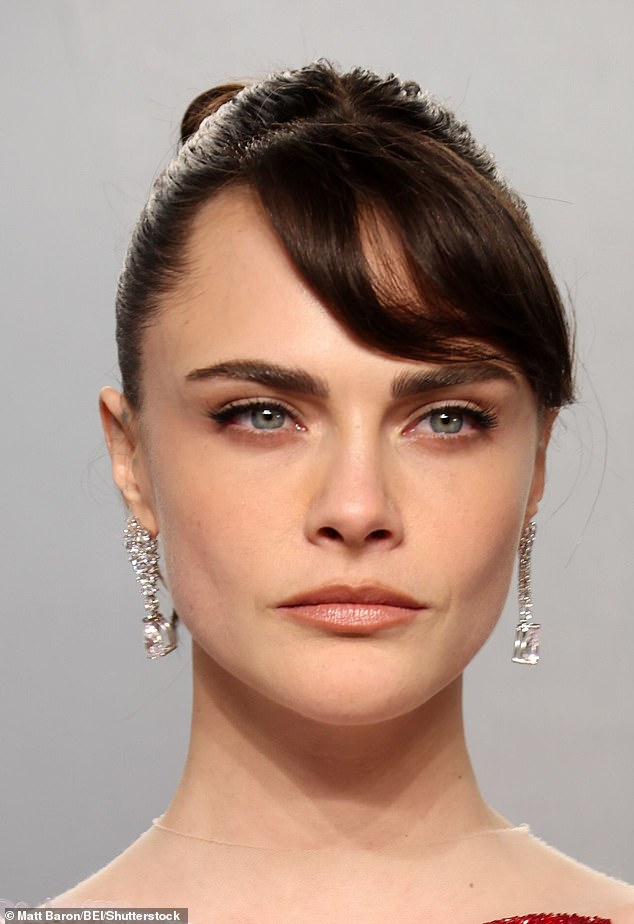

The Take
Let’s separate hype from reality. No, Hollywood hasn’t joined a secret nose cult. Yes, there’s a convergence on an aesthetic that plays beautifully in stills, on TikTok, and in HDR close-ups. The camera loves a clean line. So do algorithms that amplify the most “engageable” faces.
We’ve been here before. The ’90s had the ski-jump tip. The 2010s gave us heavy contouring and the “Instagram Face” composite. Today’s vibe is “natural, but edited,” a premium on looking untouched while being very strategically touched. Blame high-resolution everything, but also our collective preference for symmetry and smoothness. You don’t need conspiracy theories; you need optics and incentives.
Here’s the killer analogy: it’s less Face/Off, more default settings in a beauty app. When the industry chases the same frictionless outcome, flattering in front of a hundred cameras and a billion screens, individuals end up inside the same aesthetic envelope. Not clones, just converging coordinates.
They’re not identical; it’s just that the camera keeps rewarding the same nose.
And about procedure chatter: speculating on who did what is a fool’s errand. Makeup, lighting, genetics, angles, and a little filler can produce near-identical reads on the carpet. If you’re considering tweaks yourself, remember: any procedure (surgical or injectable) carries risk. Do your homework and choose a qualified, board-certified professional.
Receipts
Confirmed:
- Red carpet images from the 98th Academy Awards in Los Angeles (March 2026) show multiple actresses with a softly refined, slightly upturned nasal tip, with this as the primary visual evidence across major photo agencies.
- According to the American Academy of Facial Plastic and Reconstructive Surgery’s 2023 member survey (released March 2024), rhinoplasty remained a top facial surgery while non-surgical procedures, including filler-based treatments, continued to rise year over year.
- The American Society of Plastic Surgeons’ 2023-2024 statistics report notes sustained demand for soft-tissue fillers and places rhinoplasty among the most-performed cosmetic surgical procedures, reflecting the broader “tweakment” trend.
Unverified/Reported:
- Claims that rhinoplasty in the U.K. jumped by 25% in the last year are reported by some clinics and commentators but are not corroborated by a centralized national dataset; consider as marketing-adjacent until official figures are published.
- Which individual celebrities have had rhinoplasty or filler remains unconfirmed. Public red carpet images show an aesthetic similarity, not proof of procedures.
Backstory (for the Casual Reader)
Facial aesthetics have always cycled: from Old Hollywood’s button noses to the ’90s’ narrower “ski” tips and the 2010s’ contour-driven symmetry. In the smartphone era, high-resolution cameras, social filters, and constant self-viewing have driven demand for “micro-optimizations” that photograph well, such as subtle fillers, skin-smoothing lasers, and conservative surgical edits. Professional societies have documented a steady rise in non-surgical facial treatments and consistent popularity for rhinoplasty, while the culture at large has shifted toward “natural-looking” changes that still read flawlessly on camera. The result? More faces that feel unique in motion, but look strikingly similar in stills.
Do you miss the era of distinctive, idiosyncratic movie-star features, or do you prefer today’s camera-perfect, subtly edited polish?



























































Comments