

The Moment
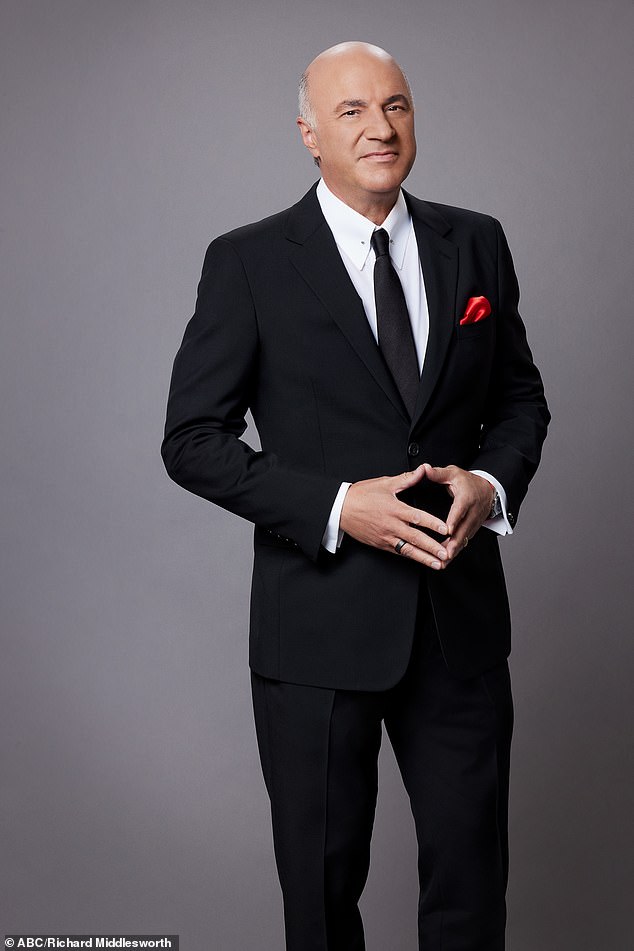
Kevin O’Leary – the sharp-tongued investor best known as “Mr. Wonderful” from Shark Tank – has a new thought experiment: if he woke up broke tomorrow, how would he make his millions back?
In a recent opinion essay, O’Leary lays out his restart blueprint. He insists he’d still choose entrepreneurship, even while admitting it’s risky and that plenty of regular nine-to-fivers can still retire as millionaires with patience, discipline and a solid investing plan.
His new money map hits a few big themes:
- Chase AI infrastructure – the land, data centers and energy behind artificial intelligence, not just flashy apps.
- Fail faster – know when to walk away from a bad business idea before it drags you into bankruptcy.
- Follow the storytellers – he now sees creative social media work and brand storytelling as a top-earning career path.
- Diversify like a grown-up – never more than 20% of your money in one sector, and no more than 5% in any single stock or bond.
- Buy only if you’ll stay put – rent if you’re not going to live in a home for at least five years, and keep putting 15% of your income toward retirement.
He even has a favorite reality check for entrepreneurs who brag about their success: “Do you have $5 million in Treasury bills?” According to him, nine times out of ten, the answer is no – which he sees as proof that many founders never turn business wins into lasting, safe wealth.
The Take
Strip away the TV persona and the headline fireworks, and O’Leary’s big restart plan is actually… surprisingly sensible. Underneath the “I’d build an empire from nothing” swagger, he sounds less like a shark and more like the strict uncle who makes you open a retirement account.
First, the AI infrastructure angle. He’s not talking about launching the next buzzy chatbot; he wants to own the land, the power, the server farms that make everyone else’s AI possible. It’s the classic “sell shovels in a gold rush” play, just updated for 2020s tech.

Is that smart? In theory, yes: every big wave of technology needs boring, physical stuff behind it. But it’s also the kind of thing that sounds great in a speech and is a lot harder to pull off as an everyday investor. Buying a data center or power infrastructure isn’t exactly a weekend hobby. For most people, it’s more like, “OK, so… which mutual fund do I click on?”
Where he really earns his keep is in the unsexy advice nobody wants to hear: your first idea might flop; diversification matters; don’t bet the house; don’t buy a home you’ll leave in three years; save a chunk of your paycheck every single month. That part? Very hard to argue with.
His pivot on education and careers is the most interesting twist. O’Leary used to preach engineering degrees above all. Now he’s openly saying some of the fastest-growing paychecks are around social media storytelling – people who can sell a product with a camera, a ring light and a good hook. Some of them, he claims, make multiples of a normal salary by working with several brands at once. To anyone over 40, that sounds part genius, part fever dream, but the creator economy is very real.

The whole package is like opening a wild, neon-colored cookbook and finding the main recipe is… plain oatmeal. Very practical, very filling, not quite as dramatic as the packaging. Behind the talk about AI billions, his message is mostly: take calculated risks, know when you’re wrong, spread your bets, and don’t confuse a hot streak with permanent security.
And yes, quick disclaimer: this is commentary on his ideas, not personal financial advice. Your own money situation needs more than a TV shark and an opinion column.
Receipts
Confirmed
- In a November 2025 opinion essay, O’Leary says that if he had to rebuild his fortune from zero, he would still choose entrepreneurship and focus heavily on AI-related infrastructure, land and energy.
- He restates diversification rules he’s promoted for years: no more than 20% of a portfolio in one sector, and no more than 5% in any individual stock or bond.
- He repeats his long-standing advice that people should aim to save roughly 15% of their income for retirement and warns that most entrepreneurs he meets have not parked significant wealth in safer assets such as Treasury bills.
- He argues that high-paying careers are emerging in social media storytelling and content creation, with some creators choosing freelance work with multiple brands over traditional full-time jobs.
- He recommends renting rather than buying a home if you won’t stay there at least five years, due to costs of buying, selling and moving.
Unverified / O’Leary’s Claims
- Specific dollar figures he cites for future artificial intelligence spending by major tech companies are his projections and have not been independently verified here.
- His statement that some social media creators make “four times as much” by working with several companies at once is based on his anecdotes, not broad income data.
- The idea that AI infrastructure investments will offer “extraordinary returns for the next 20 years” is his personal prediction, not an established fact.
Sources: Kevin O’Leary opinion essay, November 2025; Kevin O’Leary personal finance writings and interviews, 2013–2023.
Backstory (For Casual Readers)
If you’ve only met Kevin O’Leary as the bald guy barking “You’re dead to me” on TV, here’s the short version. He’s a Canadian businessman who founded a software company in the 1980s, sold it for serious money in the 1990s, and went on to become a high-profile investor and television personality. Over the past decade, he’s turned into a kind of pop-culture money guru, weighing in on everything from student debt to crypto, often with a tough-love tone. He’s long pushed ideas like living within your means, investing for dividends and being ruthless about cutting failing ventures.
What’s Next
So where does his latest “start from scratch” manifesto leave the rest of us?
Expect to hear more celebrity money types leaning into AI plus creator economy talking points. O’Leary is basically telling younger workers, “Yes, engineering is great, but so is mastering the art of getting people to care about something online.” That lines up with what a lot of brands are already paying for: attention, not just ads.
At the same time, his renewed push for boring stability – diversification, safe assets like Treasury bills, realistic home-buying timelines – could hit home for people who’ve watched markets whiplash, housing prices spike and trendy investments crash over the past few years.
What to watch from here:
- Whether he spins this reboot philosophy into a new book, show or investing product aimed at younger entrepreneurs and creators.
- How financial professionals respond to his mix of high-risk entrepreneurship talk and conservative portfolio rules.
- Whether everyday viewers lean into his AI-and-infrastructure focus, or stick with more traditional diversified funds and retirement accounts.
Underneath the catchphrases, O’Leary’s do-over plan boils down to this: bet on big trends, admit when you’re wrong, diversify like your future depends on it, and don’t confuse owning a house with having a real financial plan.
The rest is style, storytelling… and whether you actually follow through once the TV turns off.
Your turn: If you were starting from zero today, whose playbook would you follow – Kevin O’Leary’s mix of AI bets and safe bonds, or something completely different?




























































Comments