

The Moment
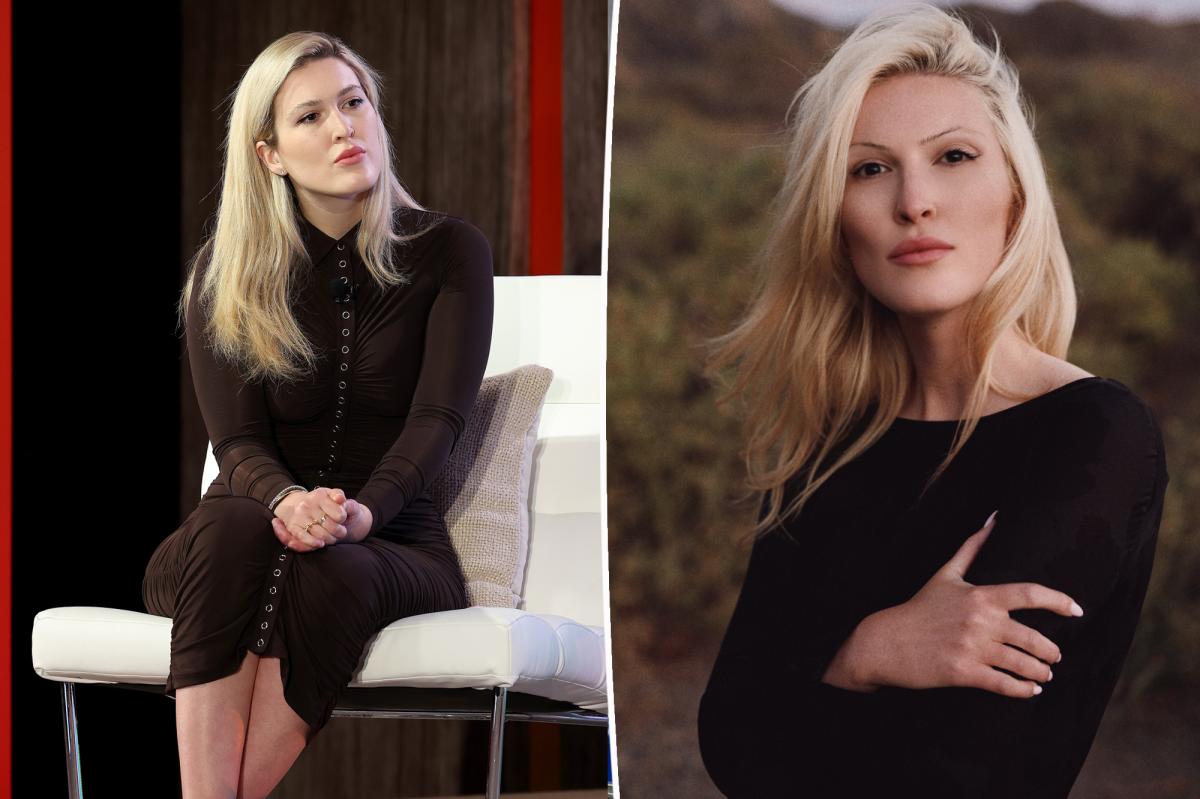
Political journalist Olivia Nuzzi and Vanity Fair are breaking up before they ever really started dating.
According to a joint statement given to a tabloid on Dec. 5, the magazine and Nuzzi have “mutually agreed” to let her contract expire at the end of the year, calling it the “best interest of the magazine.” Translation: no dramatic firing, just a very pointed fade-out.
Nuzzi, 32, had only recently been announced as the glossy’s West Coast editor, hired in September by new editorial chief Mark Guiducci. But insiders say the real power here was Conde Nast queen Anna Wintour, who reportedly has the final say on major hires and exits.
The timing is not subtle. The move comes days after Nuzzi’s ex-fiance, former Politico journalist Ryan Lizza, published newsletters accusing her of an inappropriate sexting relationship with Robert F. Kennedy Jr. and a physical affair with former South Carolina governor Mark Sanford, both men she was covering professionally.
Lizza claimed she sent Kennedy a kind of “strategy memo” laced with flirty messages, compared him to Rocky Balboa, and gave him style advice. He also alleged she cheated on him with Sanford while they were co-covering his presidential campaign.
On top of that, staffers were already side-eyeing Nuzzi over her new book, American Canto, which dives into her alleged affair with Kennedy. An excerpt ran in a major newspaper last month, including a passage where she says Kennedy told her he “wanted her to have his baby” and would “take a bullet for her.” A Vanity Fair excerpt reportedly left staffers “grossed out.”
Insiders now say Nuzzi never picked up her company laptop, didn’t attend meetings, and had no pieces slated in upcoming issues. So this is less mid-career crash than: contract signed, vibes turned, plug quietly pulled.
The Take
I’ll be blunt: this is what happens when a prestige magazine tries to bottle scandal like perfume and ends up with a biohazard label instead.
On paper, hiring Nuzzi made sense. She’s sharp, she’s buzzy, she knows how to turn political dysfunction into page-turners. But there’s a difference between covering powerful men and allegedly sexting them while you do it, then packaging the whole thing as a memoir with a dust jacket.
From the outside, Conde Nast tried to have it both ways. They wanted the clicky, naughty “inside story” of a political affair – hence excerpting the book – but they also wanted to be seen as sober stewards of journalistic ethics. That’s like hiring the guy who accidentally burned down the last theater to run your pyrotechnics, then acting shocked when the fire marshals show up.
Is Nuzzi the first journalist to allegedly get romantically tangled with a source? Absolutely not. Newsrooms have run on caffeine, deadlines, and messy office romances since typewriters were a thing. The difference now is the level of scrutiny and the total collapse of public trust in media. If your brand is “we tell uncomfortable truths,” people will notice when your own house looks like a deleted scene from a prestige soap.
There’s also the revenge-narrative piece: an ex-partner turning their Substack into a public diary of your worst choices. That doesn’t automatically make his version gospel, but it does mean the private drama became impossible for a big, cautious publisher to ignore. No one at a legacy glossy wants to spend the next election year fielding questions about a West Coast editor’s sexts with a cabinet-level political heir.
Zooming out, this is a generational clash inside media. Younger, brand-forward journalists are encouraged to be personal, vulnerable, “main character” on social and in their books. Corporate publishers, on the other hand, still panic the moment that persona starts threatening the bottom line or the parent company’s reputation.
Vanity Fair clearly decided Nuzzi’s value as a voice wasn’t worth the ethical headache – or the optics of putting a writer who allegedly had affairs with her subjects in charge of a major masthead job. They don’t want to explain, in every meeting for the next two years, why their own editor would never pass their own conflict-of-interest rules.
Receipts
Confirmed:
- A joint statement from Nuzzi’s representative and Vanity Fair’s spokesperson says they have “mutually agreed” to let her contract expire at the end of the year.
- Nuzzi had been hired as West Coast editor in September by editorial chief Mark Guiducci.
- Anna Wintour is widely reported to have final say over major Conde Nast hires and departures.
- Nuzzi’s book American Canto exists and an excerpt ran in a national newspaper last month, describing an intense relationship with Robert F. Kennedy Jr.
- Vanity Fair published an excerpt from the book and, according to insiders, internal reaction was negative.
- Kennedy is married to actress Cheryl Hines.
- A spokesperson for Kennedy has publicly denied any affair, saying he met Nuzzi only once for an interview she requested.
Unverified / Alleged:
- Ryan Lizza’s claims that Nuzzi engaged in a sexting relationship with Kennedy, including a flirty “strategy memo,” fashion advice, and Rocky Balboa comparisons.
- Lizza’s allegation that Nuzzi had a physical affair with former South Carolina governor Mark Sanford while both were covering his presidential run.
- Reports from unnamed insiders that Nuzzi never picked up her Conde Nast laptop, skipped meetings, and had no articles scheduled in the next issues.
- Characterizations that “everyone was grossed out” by the book excerpt and that staffers widely expected her to be dropped.
Sources: A December 5, 2025 celebrity tabloid report quoting a joint statement from Nuzzi and Vanity Fair; descriptions of a November 2025 newspaper excerpt of American Canto as cited in that report.
REPORTER FIRED AMID RFK SCANDAL | https://t.co/Tmn6iBS0yF
Vanity Fair will let reporter Olivia Nuzzi’s contract expire without renewal following multiple scandals, The Wall Street Journal reported Friday. pic.twitter.com/zDwTKY7k7q
— News 4 San Antonio (@News4SA) December 6, 2025
Backstory (For Casual Readers)
If you don’t live on political Twitter, a quick rewind: Olivia Nuzzi built her name as a sharp, sometimes provocative political reporter covering national campaigns and the Trump era. Robert F. Kennedy Jr., a member of the famous Kennedy family, has long been a high-profile political figure. Their alleged digital affair – which he denies – reportedly began after she interviewed him for a long-form piece. That relationship, and its fallout, became the spine of her book American Canto, turning a once-private scandal into very public content. By the time Vanity Fair swooped in with a glossy new job title, the drama was already baked in.
What’s Next
For now, the plan is simple: let the contract run out and move on. No suspension, no big public inquisition, just a quiet “we wish her well” exit.
Nuzzi still has a book to promote and a public profile that, like it or not, just got bigger. The obvious next stops: TV panels, podcasts, and more essays about power, sex, and ethics in politics – whether from the inside as a player or the outside as a critic.
Vanity Fair, meanwhile, will likely tighten up its own vetting for high-profile editors. If staffers already felt queasy about the book and the internal blowback over the excerpt, don’t be surprised if the magazine steers away from turning its own employees into the story for a while.
The biggest open question is whether this saga ends in the court of public opinion or an actual courtroom. If anyone decides Lizza’s newsletters crossed into defamation, the legal filings will write a whole new chapter. For now, it’s a media ethics case study playing out in real time, with plenty of blame – and brand damage – to go around.
So I’m curious: where do you draw the line – should a journalist’s personal life stay separate from their job, or does sleeping with sources automatically make them unemployable in roles like this?


































































Comments