

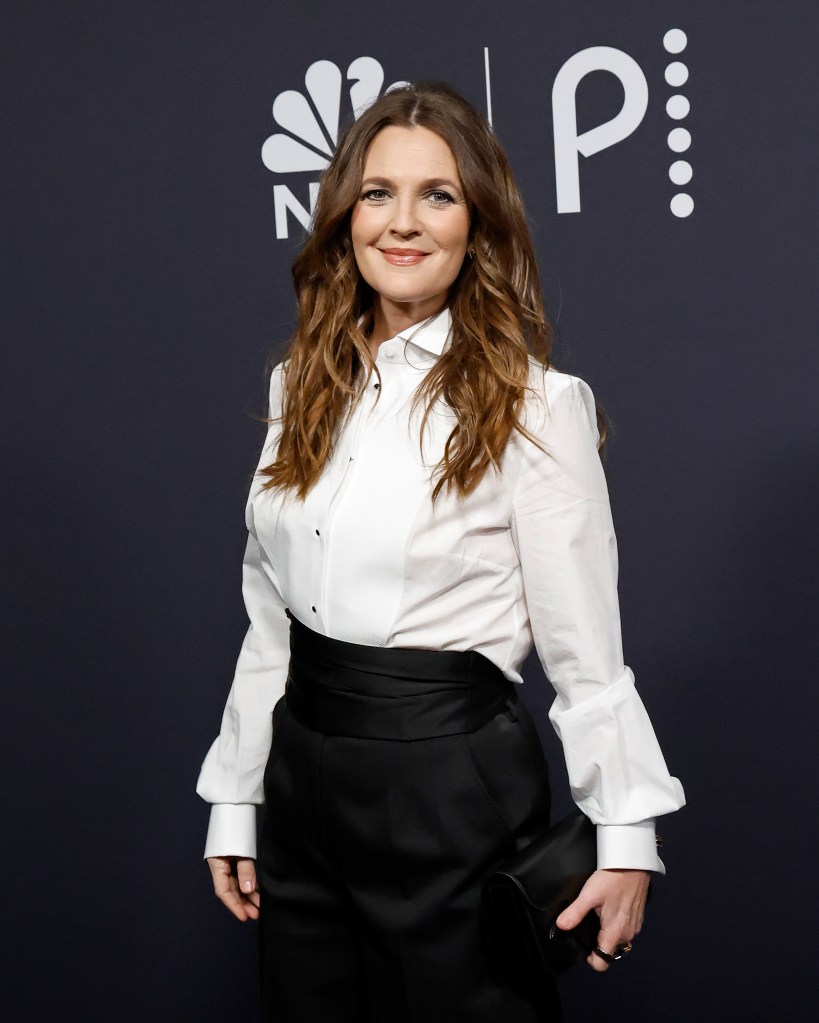
The Moment
Another day, another story reminding us that Hollywood in the ’80s was basically the Wild West with better hair.
Rock-royalty twins Gunnar and Matthew Nelson – sons of late rock star Ricky Nelson and grandsons of TV icons Ozzie and Harriet – say they once stepped in to protect a very young Drew Barrymore from “creepy guys” at a Los Angeles nightclub.
In a recent interview promoting their new memoir, What Happened to Your Hair?, the brothers describe running into Drew around 1986 at Helena’s, then one of the hottest celebrity hangouts in LA. According to them, Drew was about 11, there with her mother, and drawing the wrong kind of attention from grown men.
So, as they tell it, the Nelson twins flanked her in the booth and told any creepy adults who approached to, and I quote, “f-k off.” They say Drew never forgot the impromptu security detail.
On its face, it’s a quick Hollywood anecdote. But it also lands like a time capsule from the era when child stars were treated less like kids and more like VIP access passes.
The Take
I’ll be honest: my first reaction was, Of course this happened. Drew Barrymore in a hot ’80s club as a literal child? That’s not even a plot twist – that’s her actual origin story.
Drew herself has long talked about being taken to clubs as a kid, drinking and using drugs way before high school, and essentially being raised in the glow of a strobe light. In her memoir and later interviews, she describes Studio 54, bars, parties – places most of us weren’t allowed near until prom night, if that.
So the Nelson twins’ story doesn’t feel like a wild outlier. It feels like one specific scene from a much bigger, very messed-up movie: Hollywood’s habit of treating star kids like adults because they can memorize lines and sell tickets.
What stands out, though, is the “it takes a village” angle. You’ve got one famous family’s sons quietly running interference for another famous family’s daughter. It’s like the dynasties had to protect each other from the very machine they were all benefitting from.
There’s also a whiff of generational reckoning here. The Nelsons talk openly about their own rough upbringing – an alcoholic, “mean” mother; a glamorous, chaotic life; the trauma of losing their father in a plane crash. They’re not pretending they were perfectly parented while tut-tutting someone else’s choices.
Instead, it reads like, “We know exactly how bad this can get, because we were on that same conveyor belt.” The story about Drew is both a brag (rock twins as teenage knights in shining denim) and a confession about what passed for normal back then.
If anything, the anecdote underlines how low the bar was for protecting child stars: two barely-grown guys blocking a booth and cussing out creeps counted as a heroic safety plan. That’s not a system; that’s luck.
The whole thing reminds me of a hotel with no real security, where the guests just start guarding each other’s doors in the hallway. It’s sweet community… built on the fact that management failed everyone.
Receipts
Confirmed
- The Nelson twins, Gunnar and Matthew, have a new memoir titled What Happened to Your Hair?, set for release in mid-December 2025, in which they reflect on their difficult childhood and career.
- In a December 2025 interview with a New York-based celebrity column, they describe encountering Drew Barrymore at Helena’s, a popular Los Angeles nightclub in the mid-1980s, and say she was there as a child with her mother.
- They state that they positioned themselves on either side of Drew and verbally shut down adult men they describe as “creepy guys” approaching her.
- Drew Barrymore has, in her own 1990 memoir and later media interviews, described being taken to clubs and parties as a child, and beginning substance use at a very young age.
Unverified / Their Side of the Story
- The exact age of Drew at the Helena’s incident (the twins estimate about 11).
- The specific dialogue, how many men approached, and whether Drew personally remembers or has publicly confirmed this particular night.
- The Nelsons’ characterization of Drew’s mother as “a piece of work” and her motives for bringing Drew to the club – that is their opinion, not an established fact.
Sources: December 2025 interview with the Nelson twins promoting What Happened to Your Hair?; Drew Barrymore’s memoir Little Girl Lost (1990); later televised and print interviews where Barrymore recounts her early clubbing and addiction struggles.
Backstory (For Casual Readers)
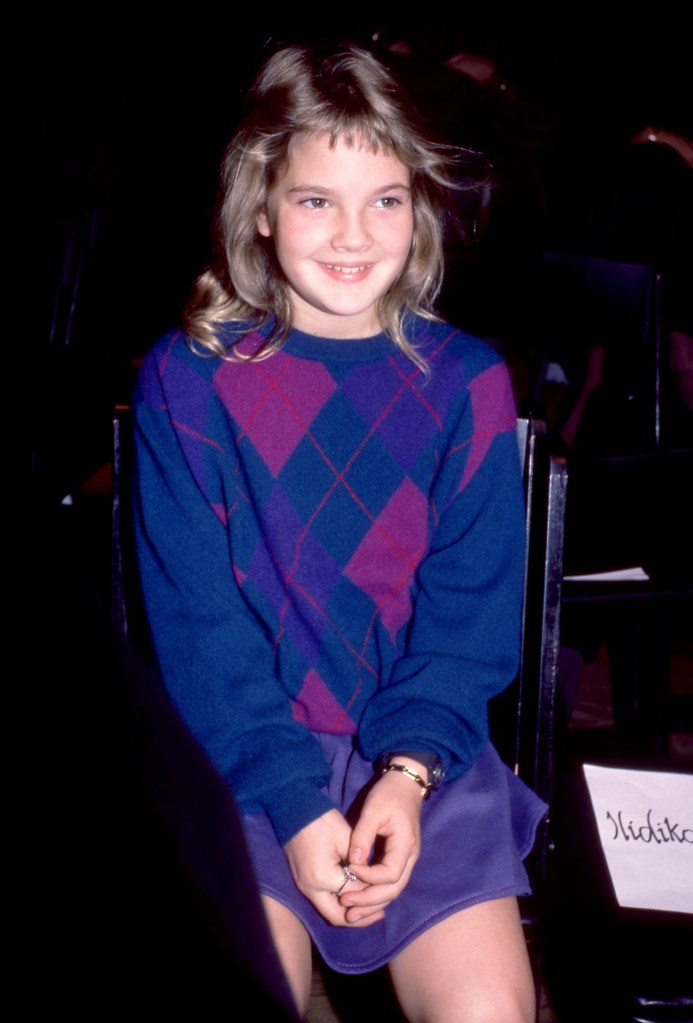
For anyone who mainly knows Drew Barrymore as the sunny daytime host with the big hugs, here’s the short version. Drew comes from a legendary acting family; she broke out in E.T. at age 7 and basically grew up on red carpets and in VIP rooms. By her early teens, she was partying hard, using alcohol and drugs, and eventually ended up in rehab before most kids get a learner’s permit.
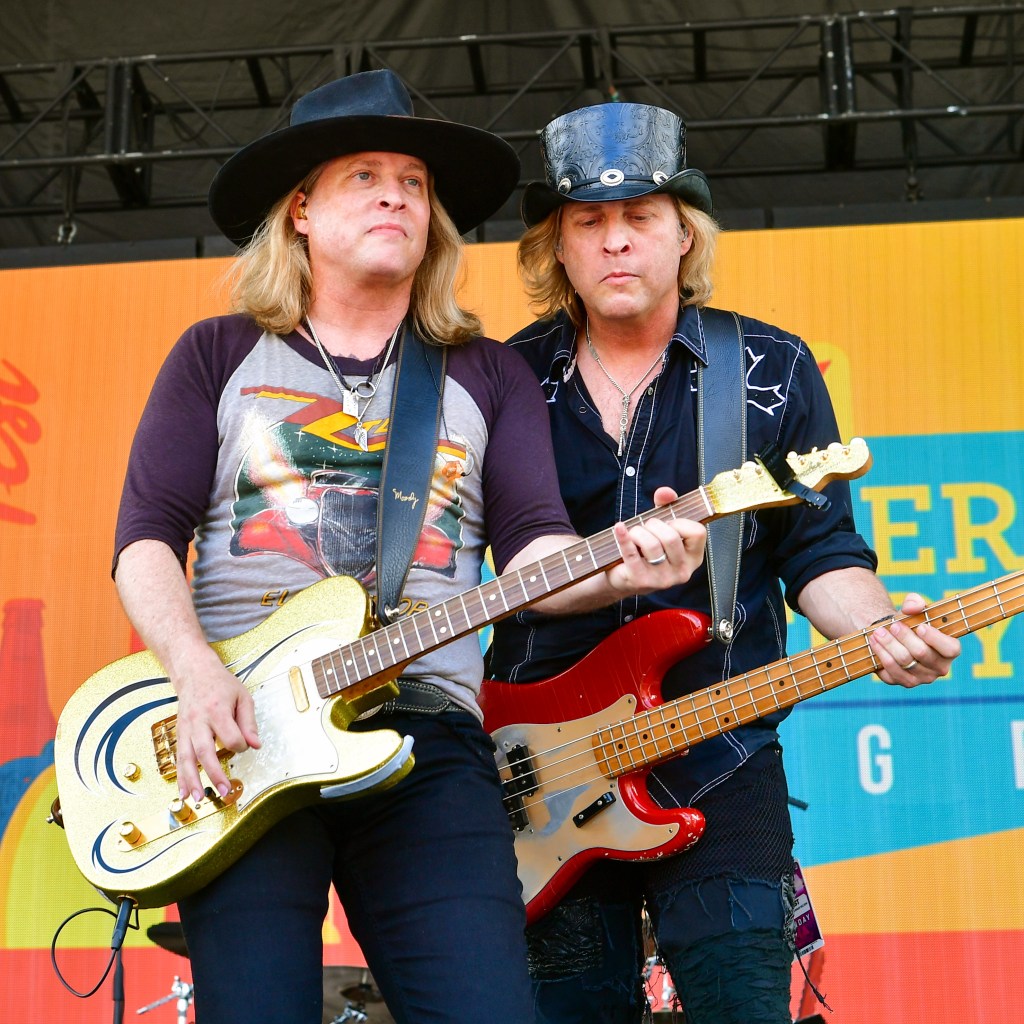
The Nelson twins, meanwhile, are heirs to another entertainment dynasty. Their grandparents Ozzie and Harriet were TV pioneers, and their father Ricky Nelson was a teen idol and musician. Gunnar and Matthew fronted the band Nelson, which hit No. 1 in the early ’90s with “(Can’t Live Without Your) Love and Affection,” all while navigating the shadow and privilege of a famous last name.
Both Drew and the Nelsons have since framed their childhoods as a mix of glamour and real damage – proof that generational fame can be a golden ticket and a trap door at the same time.
What’s Next
The Nelson twins are clearly using their memoir moment to do more than just rehash chart positions; they’re unpacking the darker side of being “privileged” Hollywood kids. Expect more stories like this as people finally say out loud what everyone quietly saw in the ’70s, ’80s, and ’90s.
Could Drew respond? Maybe, maybe not. She’s been pretty open already about her childhood chaos, and this particular story actually paints her as the kid who finally had a few grown-ish allies in the room, even if they were barely out of their teens themselves.
What I’ll be watching is how these memoirs and re-tellings shape the conversation around today’s celebrity children. There are still plenty of famous kids on carpets, on social media, and at adult events. The question is whether we’re actually doing better by them – or just hiding the chaos behind NDAs and nicer lighting.
Your turn: When you hear stories like this, do you see them more as touching “we tried to protect each other” moments – or as evidence that Hollywood still hasn’t truly learned how to keep its kids safe?


















































Comments