


The Moment
A viral gym clip just tried to heal women’s body image and accidentally re-wrote human anatomy instead.
Fitness influencer Lilylifts (real name Lily White), who has more than a million Instagram followers, filmed herself pointing at her lower belly and saying she always looks bloated there, no matter how hard she diets. Her male friend, doing his best soft-boy TED Talk, gently tells her, “That’s not fat. Your uterus is there… it’s not a bump, it’s a blessing.”
Sweet? Yes. Scientifically accurate? Not even close.
The video has racked up well over 100 million views in a few months and a blizzard of comments from women saying they finally feel seen. The message is clear: stop hating your lower-belly “pooch” because it’s your miraculous womb.
The problem: for anyone who isn’t pregnant or dealing with certain medical conditions, that visible bump you’re stressing over is almost certainly not your uterus. A British GP, Dr Philippa Kaye, spelled that out in a recent newspaper health column, and every gynecology textbook on the planet agrees with her.
The Take
I love a good body-confidence moment as much as the next woman who’s given up low-rise jeans forever. But we’ve hit a weird place where influencers are trading in comforting lies instead of slightly uncomfortable truths.
Let’s start with the basics: if you’re not pregnant, your uterus is small – about the size of an upside-down pear – and it lives deep in the pelvis, behind the pubic bone and below your intestines. According to patient information from the American College of Obstetricians and Gynecologists, it’s not something you can see or poke from the outside in everyday life.
So no, your lunch is not shoving your womb forward and creating a “blessing bump.” Your uterus is not out here being a push-up bra for your leggings.
What you are seeing in that mirror?
- Normal fat distribution (women naturally carry more fat around hips, thighs, and lower abdomen).
- The shape of a wider, forward-tilted female pelvis.
- Bloating and fluid shifts from hormones, your cycle, or certain meds.
- Skin and tissue changes from pregnancy or C-sections (hello, famous “C-section shelf”).
None of that is a moral failure. It’s literally how the body is designed to keep you alive, fertile, and functioning. But here’s the catch: when we pretend every pooch is only a blessing, we also risk brushing off symptoms that should send you to a doctor.
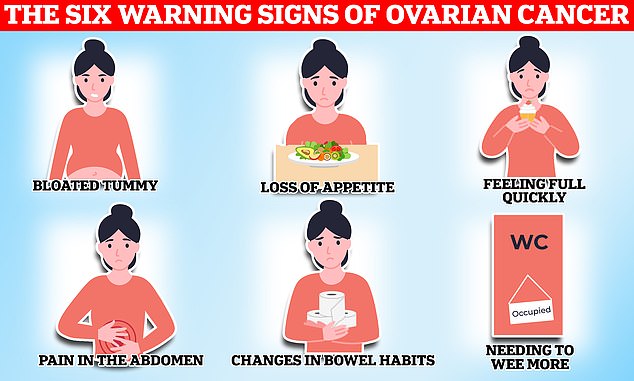
That “lower-belly” look can be linked to conditions like fibroids (benign growths in the womb), ovarian cysts, or, more rarely, ovarian cancer. Mayo Clinic’s overview of ovarian cancer notes persistent bloating, pelvic discomfort, and feeling full quickly as common early symptoms – the kind women often dismiss as “just my stomach.”
This is where the celebrity layer comes in. We’ve watched the internet critique Beyonce, Kylie Jenner, and Rihanna’s midsections like they’re public property. Post-baby belly? Must be laziness. Slight curve in a tight dress? Must be a secret pregnancy. The commentary is relentless, mostly from people who couldn’t find their own uterus on a labeled diagram.
So yes, I get why that viral video hit a nerve: it’s a man, in a rare plot twist, telling a woman her body isn’t the problem. But swapping shame for medical misinformation is not the win people think it is. It’s like telling everyone their check-engine light is “just part of the car’s charm.” Feels nice… until the engine actually blows.
Receipts
Confirmed:
- The viral clip shows Lilylifts pointing to her lower belly while a male friend tells her the bump is her uterus and calls it a blessing. This is visible in the widely shared Instagram Reel.
- In a January 2026 UK newspaper column, GP and author Dr Philippa Kaye explains that in non-pregnant women the uterus is about 6-8 cm long, sits deep in the pelvis behind the pubic bone, and cannot be seen or felt from the outside.
- ACOG’s patient materials on female reproductive anatomy (updated in the last few years) likewise describe the uterus as a pelvic organ below the intestines, not an abdominal “bump.”
- Mayo Clinic’s ovarian cancer overview (reviewed 2023) lists ongoing bloating, pelvic or abdominal pain, and early fullness as common symptoms that warrant medical evaluation.
Unverified / Not Supported:
- The idea that everyday bloating or a lower-belly pooch in non-pregnant women is the uterus being pushed forward by food in the intestines is not supported by standard gynecological anatomy.
- There is no public information suggesting Lilylifts herself has any underlying medical condition; using her body as a stand-in for any specific diagnosis would be speculative.
Sources (plain-language): A January 2026 health column by Dr Philippa Kaye in a UK newspaper; American College of Obstetricians and Gynecologists patient information on the uterus and pelvis (updated 2022); Mayo Clinic ovarian cancer symptom overview (reviewed 2023).
Backstory (For Casual Readers)
If you’ve blissfully missed the “lower belly pooch” wars online, here’s the quick version. For years, women have been told that any softness below the belly button is a personal failure. Fitness culture sells programs to “melt the pooch.” Post-baby bodies get ripped apart in comments sections.
Celebrities are not spared. Beyonce’s postpartum curves, Kylie Jenner’s post-baby paparazzi shots, Rihanna daring to enjoy pregnancy in actual clothes – all turned into public debates about how quickly a mother should “bounce back.” Against that backdrop, a viral clip saying, essentially, “Hey, your body is doing something miraculous, stop hating it,” feels like a relief.



At the same time, doctors have been watching TikTok and Instagram hand out sketchy health “facts” like party favors. From “period syncing” myths to DIY hormone hacks, a lot of soothing content comes with scientific side effects.
What’s Next
We’re not putting the social-media genie back in the bottle, so the question becomes: what do we do with moments like this?
Influencers are increasingly moving into wellness and “educational” content, which means they carry more responsibility than they did in the era of simple outfit-of-the-day posts. Expect more doctors, midwives, and pelvic-floor physios to jump into the comments – and frankly, I hope they do.
If you’re watching this from the sidelines, here’s the sane middle ground:
- Assume your lower belly curve is probably a mix of anatomy, hormones, fat distribution, and life experience – not a personal failing.
- Skip the crash diets and “spot reduction” fantasies; you cannot burpee your pelvis into a different shape.
- Do talk to a doctor if you notice new, persistent bloating, pain, changes in your cycle, or feeling full very quickly. Most causes are benign, but you deserve real answers, not comment-section guesses.
And maybe the next evolution of body positivity is this: we don’t need to pretend every bump is a baby, a uterus, or a “blessing” to respect it. We can just admit that women’s bodies are complex, sometimes annoying, often beautiful, and absolutely nobody else’s business.
So tell me: when you see these “love your pooch” posts that get the science wrong, do you feel comforted, frustrated, or a little bit of both?














































































Comments