

The Moment
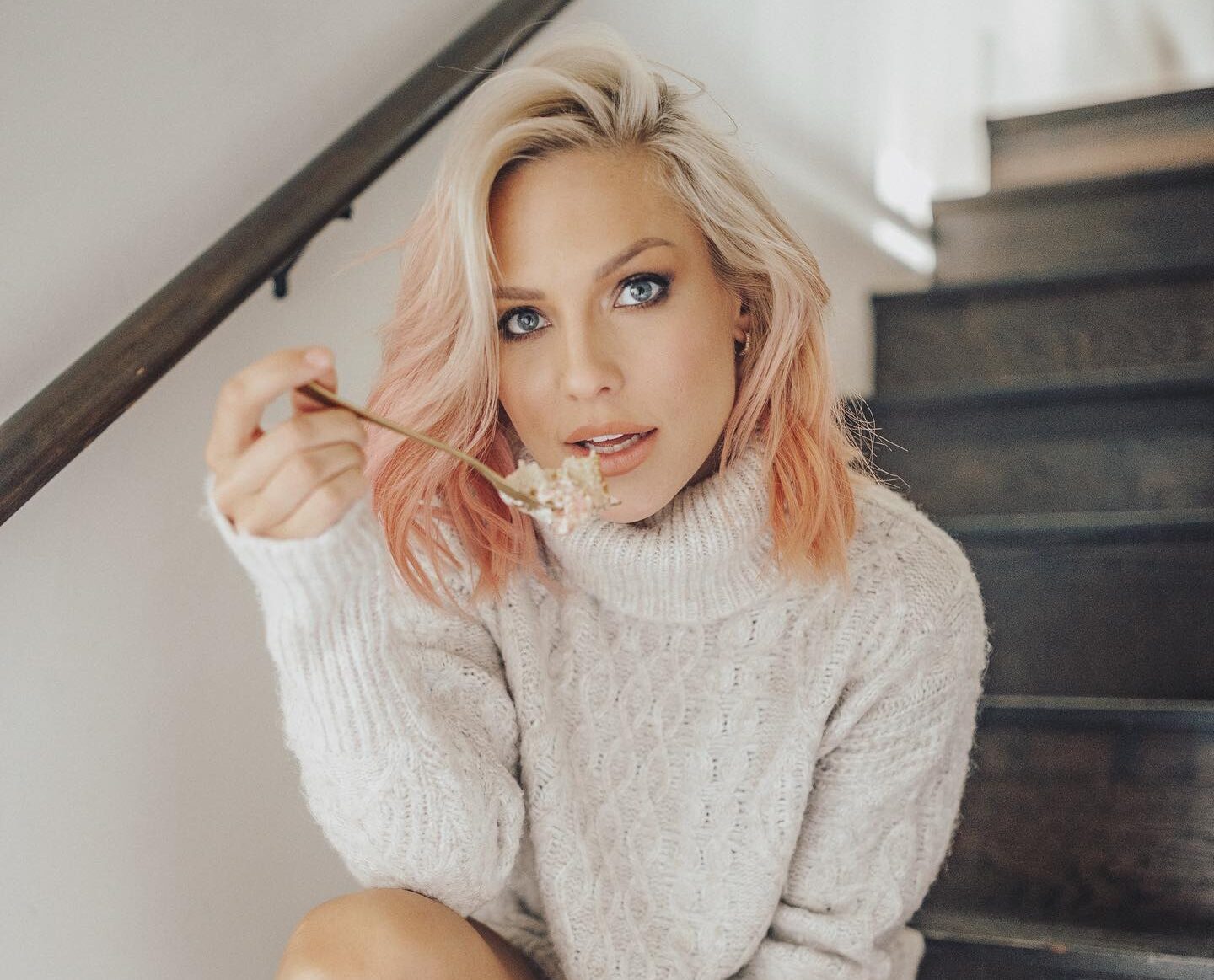
Sharna Burgess is done pretending the dance world did not mess with her head.
During a recent Instagram Stories Q&A, the 40-year-old pro dancer and longtime Dancing With the Stars alum answered a fan who asked if she had ever struggled with eating disorders. Her response was blunt: she said she struggled with binging and restricting and had a “super complicated” relationship with food through her teens and 20s.
She described early ballet and ballroom training where teachers weighed her every couple of days and routinely told her to lose more weight, even though she says she was not overweight. Those rituals, she explained, fueled a cycle of one day binging, the next day starving, and a body image stuck at 15 no matter how strong or successful she became.
The plot twist? It was joining the U.S. version of Dancing With the Stars back in 2011 that slowly helped her see her body as powerful instead of a problem. Watching celebrity partners fall in love with movement, she said, finally shifted how she saw herself in the mirror.
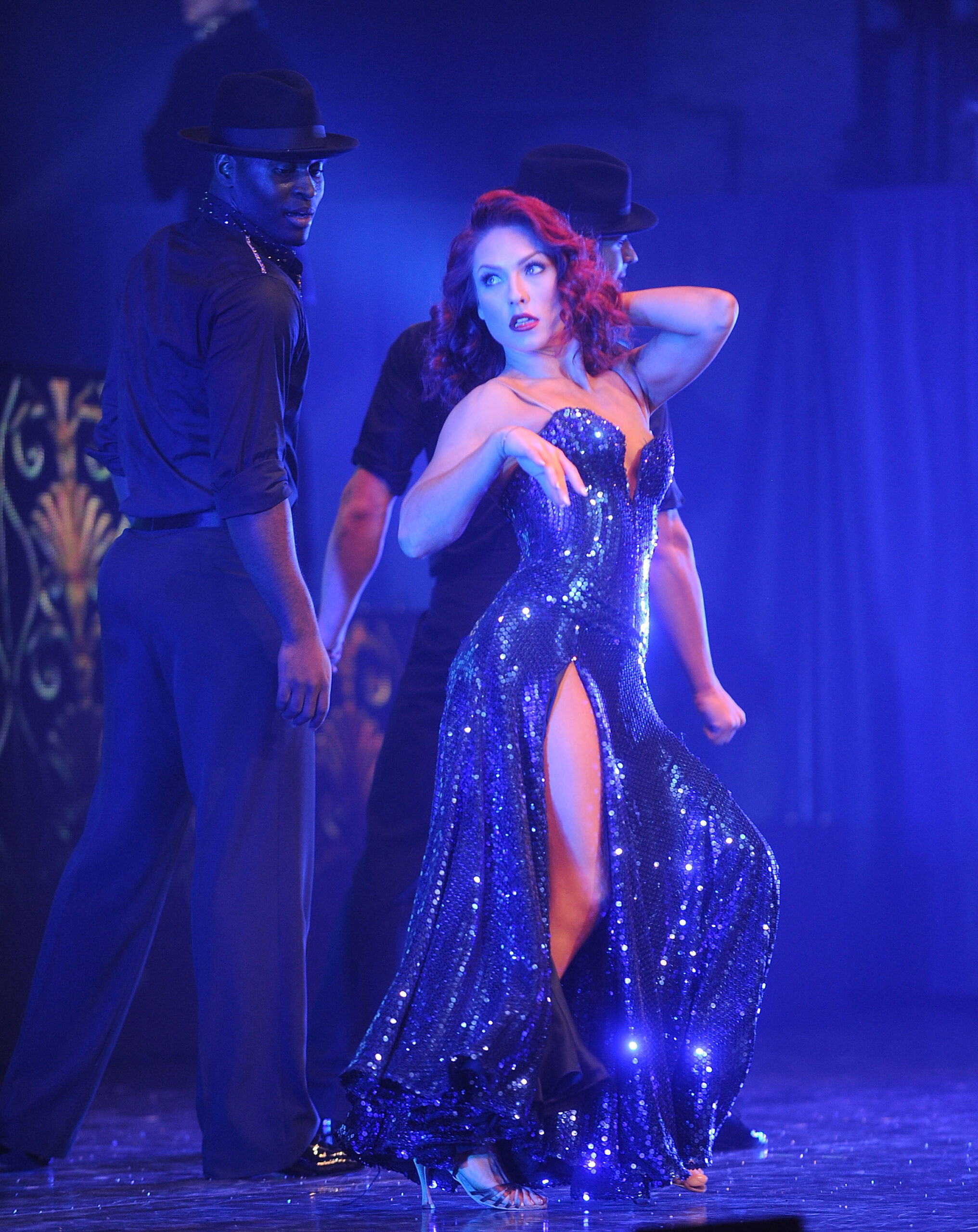
In the same Q&A, Burgess also made it clear the door is still open to return to the show. She said she almost did something last season but was tied up with a play in New York, calling it “never a no” when it comes to DWTS.
The Take
I am just going to say it: the way we have treated dancers’ bodies for decades makes 1990s diet culture look subtle.
Burgess’ story is not shocking if you grew up in any kind of studio space. The weigh-ins. The comments about “leaning out.” The horror of a costume fitting after a vacation. It is like boot camp with rhinestones. Hearing her describe being put on a scale at 15 every two days and told to lose more, again and again, is basically the textbook on how to hand a teenager a lifelong food issue.
What hits harder is that she is only now, in her 30s and 40s, talking about it this openly. That is the quiet reality for a lot of women over 40: we were raised on low-fat yogurt, tabloid “beach body” covers and teachers who thought humiliation was a motivational technique. You did not call it an eating disorder; you called it “being good” before the weekend.
There is also something darkly ironic here. The same show that locked her into old perfectionism as a pro dancer ended up being the thing that helped heal her perspective. While she watched non-dancers discover joy in a body that could move, she had to admit she had spent years hating a body that had literally built her career, won championships, and now supports a family.
It is a reminder that the “success” body we see on TV often comes with a cost we are not shown. We just get the spray tans and perfect abs, not the nights counting calories or the panic before wardrobe call. Burgess pulling back the curtain matters, especially for fans who have spent years looking at her and thinking, “If I looked like that, I would finally be happy.”
Her message now is essentially the opposite: the body can be stunning on camera and still carry old damage. Healing is not a before-and-after photo; it is a long, boring, grown-woman process of unlearning the nonsense.
If diet culture is the toxic ex, Burgess is that friend texting, “I blocked his number. You can too.”
Receipts
‘DWTS’ alum Sharna Burgess details past eating disorder and ‘super complicated’ relationship with food https://t.co/inDq7a66w0 pic.twitter.com/SWsSArbIwT
— Page Six (@PageSix) January 19, 2026
Confirmed
- In a recent Instagram Stories Q&A, Burgess said she struggled with binging and restricting and had a “super complicated” relationship with food as a teen and into her 20s, adding that things shifted in her 30s. These comments were captured and summarized by entertainment outlets on January 19, 2026.
- In a 2021 interview with Australia’s Good Health & Wellbeing magazine, she recalled being weighed by dance teachers at 15 every two days and being told repeatedly to lose weight, despite not being overweight, and said this created a negative body image and disordered eating patterns.
- She joined the cast of Dancing With the Stars in 2011 and has said seeing celebrity contestants fall in love with their bodies through dance helped her rethink her own.
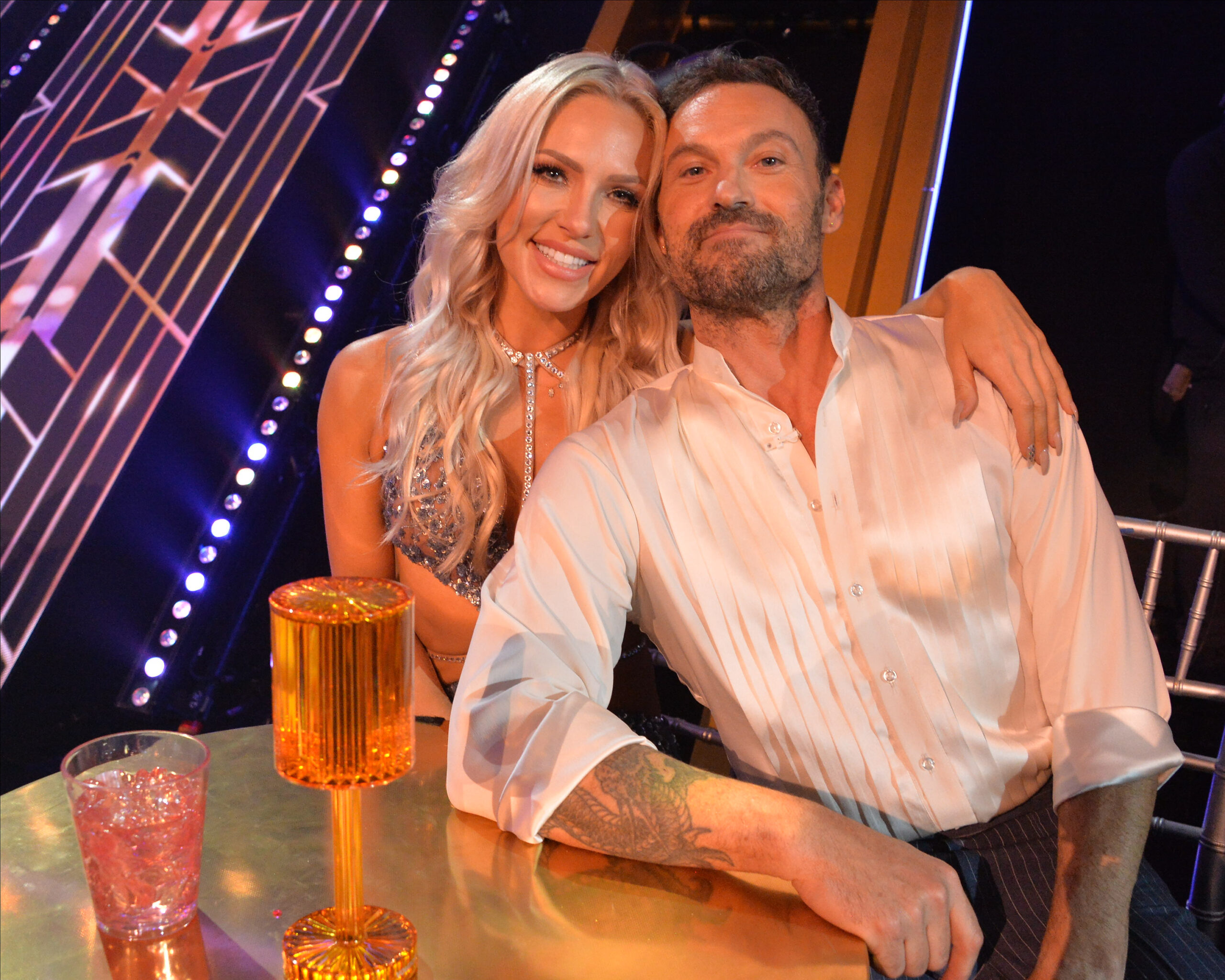
- Her last season as a DWTS pro was in 2021, when she was partnered with her now-fiance, actor Brian Austin Green. She stepped away after welcoming their son, Zane, and has since confirmed she nearly returned for a later season but had a scheduling conflict with a New York stage play.
- In the same Q&A, she stated that returning to DWTS is “never a no” for her and that she loves the show’s cast and crew.
Unverified/off-limits
- Any specific medical diagnosis or treatment history related to eating disorders; Burgess has spoken about patterns and behaviors, not formal clinical labels.
- What producers, teachers or network executives knew or intended regarding her body-image struggles; she has not publicly detailed those internal conversations.
- Whether she will definitely return as a pro to DWTS in a future season; she has only said she is open to it.
Backstory (For Casual Readers)
If you dipped in and out of Dancing With the Stars over the years, Sharna Burgess is the redheaded firecracker who joined the show in 2011, won the mirrorball with radio host Bobby Bones in 2018, and later made headlines when she was partnered with Beverly Hills, 90210 alum Brian Austin Green in 2021. The on-screen chemistry turned off-screen romance; the two are now engaged and share a son, Zane. Before DWTS, Burgess was an Australian-born competitive ballroom and Latin dancer who spent her childhood and teens inside the very intense world of studio training and international competitions.
What’s Next
Publicly, Burgess seems to be in a new chapter: engaged, a mom, and more vocal than ever about mental health, body image and the darker side of professional dance culture. She has hinted at ongoing theater work in New York, remains close to the DWTS universe, and has not ruled out another spin in the ballroom.
If her latest Q&A is any sign, we can probably expect more unfiltered conversations from her on social media about what it really costs to chase physical perfection in the entertainment world. And that might be the most important role she takes on next: not just teaching a celebrity how to cha-cha, but teaching a generation of fans that learning to eat, move and live without shame is the real prize.
If you or someone you love is struggling with food, body image or disordered eating, consider talking to a licensed professional or reaching out to an established support organization in your area. Stories like Burgess’ can be a helpful mirror, but they are never a substitute for personal medical or mental health care.
Over to you: Hearing what Sharna went through, does it change how you look at shows like DWTS and the pressure we put on performers’ bodies?




































































Comments