

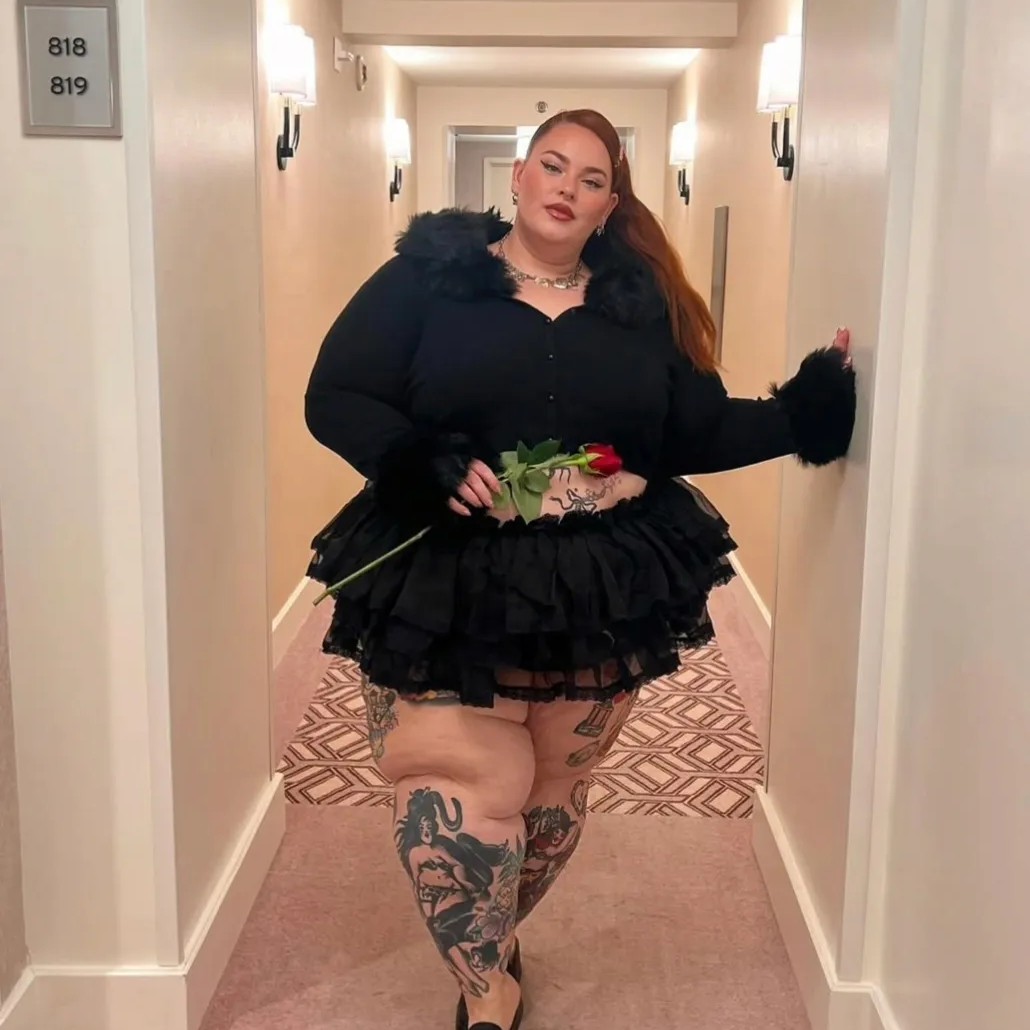
Tess Holliday says a life insurance application hit a hard wall-her weight. In a dry, razor-edged TikTok, the 40-year-old model recounted being deemed ineligible because she’s 5’3″ and “over 300 pounds.” My take: she’s not wrong that the system feels cruel, but it’s also built literally on math she can’t wish away.
Both things can be true: underwriting isn’t a moral judgment, and it still lands like one.
The Moment
This week, Holliday posted a TikTok explaining she sought life insurance as a non-smoker, non-drinker with no known conditions or medications, and was denied. She says the reason given was her build: 5’3″ and over 300 pounds.
She branded the broader “medical industrial complex” as “fatphobic” and “broken,” leaning on sarcasm to make the sting legible. In her caption, she singled out AAA by name-“AAA you did me dirty man”-and told a commenter she was “shook.”
As of publication, there’s no public response from the insurer she referenced. Her videos are on record; any underwriting decision beyond her account remains unconfirmed.
The Take
Here’s the uncomfortable split-screen: culturally, we’ve spent a decade correcting the shaming of bigger bodies, especially women’s, and celebrating people who opt out of turning weight into a personality project. Financially, life insurers are not culture critics; they’re risk sorters. They use height/weight charts, medical histories, and mortality data to decide what they’ll cover and at what price.
That doesn’t make the experience feel fair. Being told “no” by a spreadsheet is like arguing with airport security about water bottles-you’re not wrong to feel ridiculous, but the policy isn’t taking questions. The result: a very public person colliding with a very impersonal system.
The internet will try to wedge this into two camps: either she’s “playing victim,” or the insurer is a cartoon villain. Reality sits in the crease. Underwriting can be blunt to the point of dehumanizing, especially for people who don’t fit the template. And yet, per consumer regulators, insurers are allowed to underwrite on build. The humane fix isn’t dunking on Holliday or demonizing all actuaries; it’s expanding product options (graded or guaranteed coverage), clearer criteria up front, and better bedside manner when a denial happens.
“Underwriting isn’t a moral judgment-but it sure can feel like one.”
Receipts
Confirmed
- Holliday states in a TikTok posted this week that she was denied life insurance and cites her height (5’3″) and weight (“over 300 pounds”) as the reason provided-her words on camera.
- In the TikTok/Instagram caption, she references AAA by name and says she was “shook.”
- Consumer guidance affirms life insurers can and do underwrite based on build (height/weight) alongside other risk factors.
Unverified / Reported
- The specific company decision, internal notes, and any official rationale have not been released. No public statement from the referenced insurer as of publication.
- Her daily exercise routine and absence of preexisting conditions are self-reported in her video.
Backstory (For the Casual Reader)
Holliday, one of fashion’s most visible plus-size models, rose to prominence pushing her #EffYourBeautyStandards message over the past decade. Just last week, she resurfaced the slogan in a bikini post and argued that weight loss doesn’t have to be a personality trait. She’s walked high-profile runways and red carpets, and she’s been candid about navigating a world that still equates thinness with virtue. That makes this latest clash with an insurer feel pointed: she’s long insisted on dignity, while a legacy industry still talks in tables and thresholds.
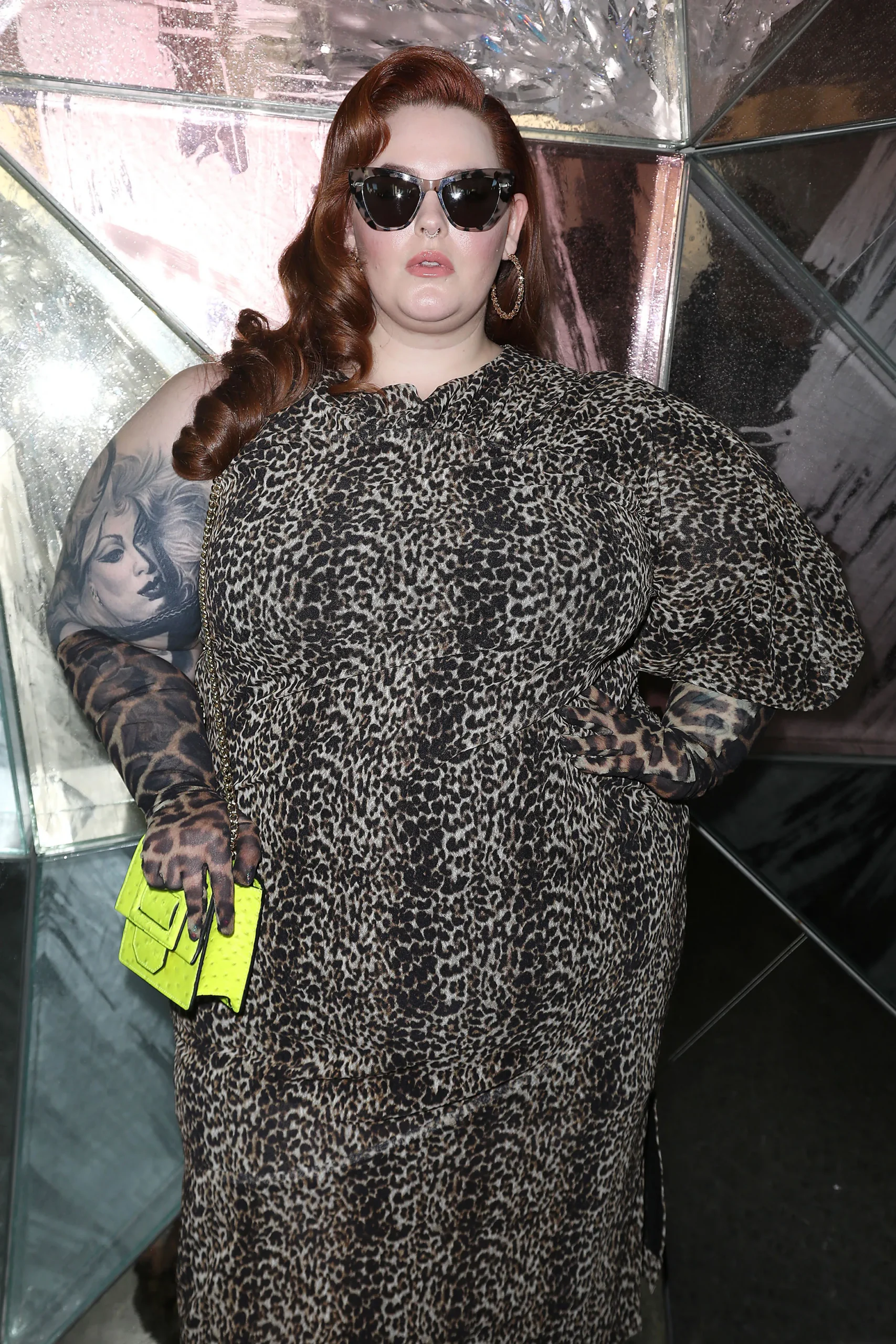
Question: Where should we draw the line between necessary risk-based underwriting and needlessly stigmatizing gatekeeping, especially when the “no” lands on real people with families?
Sources: Tess Holliday TikTok video statement, posted the week of Feb. 23-27, 2026; Tess Holliday Instagram/TikTok caption referencing AAA, same post, week of Feb. 23-27, 2026; National Association of Insurance Commissioners, Consumer’s Guide to Life Insurance, 2023 edition (explains underwriting factors, including build).
































































Comments