

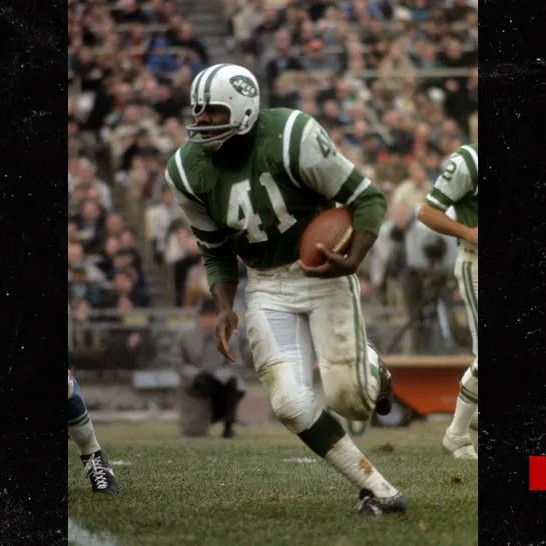
He scored the Jets’ only Super Bowl touchdown, then spent years on the outs with the team he carried. You couldn’t script it, except he lived it.
Matt Snell, the unsung engine of the New York Jets’ Super Bowl III upset, has died at 84, according to an on-record statement from his son. No cause of death was given. The spotlight loved Broadway Joe; the end zone loved Snell.
Here’s the truth underneath the nostalgia: while Joe Namath guaranteed the win, Snell actually did the heavy lifting, on a bad knee, no less. And the long, awkward rift with the franchise he helped make famous says as much about sports loyalty as it does about winning.
The Moment
What happened: Snell’s death was confirmed Tuesday morning on Long Island by his son, Beau, in a statement provided to a national sports outlet on March 10, 2026. As of publication, no cause of death has been disclosed.
Why it matters: Snell was the Jets’ ground game in their signature triumph, Super Bowl III in January 1969, rushing for 121 yards on 30 carries and scoring the team’s lone touchdown. The Jets won 16-7, the AFL’s crowning upset over the Baltimore Colts, and it remains the franchise’s only Super Bowl victory.
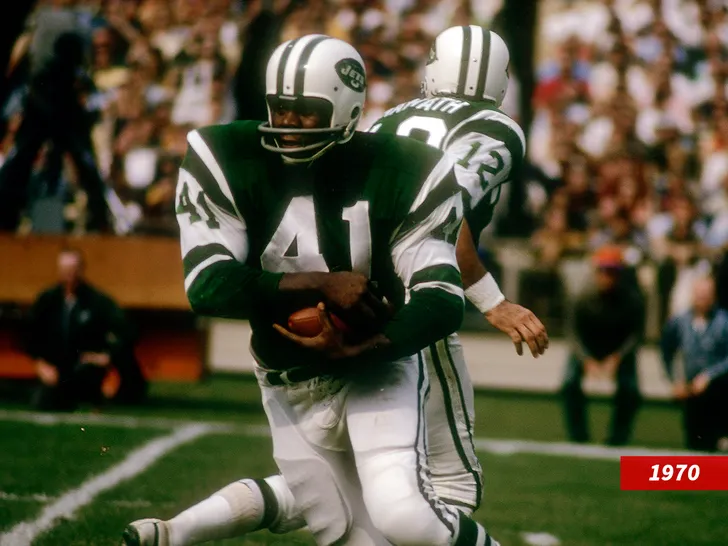
The player: A 1964 AFL Rookie of the Year and All-Star, Snell spent his entire nine-year pro career with the Jets (1964-1972), posting 4,285 rushing yards and 31 touchdowns. The organization inducted him into its Ring of Honor in 2015.
The Take
We romanticize the guarantee; we rarely talk about the grind. Snell was the grind-tough, methodical, relentless. He turned Namath’s audacity into scoreboard reality, three and four yards at a time. If Namath was the neon marquee, Snell was the generator keeping the lights on.
His decades-long distance from the team complicates the highlight reel. In a 2018 oral history, Snell said a then-part-owner promised him a lifelong place with the organization, promises that allegedly evaporated after ownership changed. It’s the oldest story in fame and sports: perform the miracle, then read the fine print.
That’s why his Ring of Honor induction felt both overdue and oddly incomplete. Honoring history is easy; honoring promises is harder. And in a league built on replacement parts, Snell’s arc is a reminder that the guys who do the bruising work often don’t get the soft landing.
He was the bass player in a rock band, driving the song while someone else worked the mic.
In the end, the stat that matters most isn’t just 121 yards on a busted knee; it’s cultural equity. Super Bowl III didn’t just change a game; it changed a league. Snell’s fingerprints are on that shift, even if his name doesn’t always headline the memory.
Receipts
Confirmed
- Death confirmed by Snell’s son, Beau, in an on-record statement carried by a national sports network on March 10, 2026.
- Super Bowl III performance (121 yards, 30 carries, 1 TD) and game result documented in historical box scores and official NFL records; career totals align with major statistics databases (e.g., Pro-Football-Reference, accessed March 2026).
- New York Jets Ring of Honor induction in 2015 noted on the team’s official materials and historical listings (accessed March 2026).
Reported/Context
- Snell’s rift with the organization and the alleged promise of a lifelong team role are detailed in Bob Lederer’s 2018 book “Beyond Broadway Joe: The Super Bowl Team That Changed Football.”
- No cause of death disclosed as of March 10, 2026.
Backstory (For the Casual Reader)
If you remember where you were when Namath wagged that index finger, you know the stakes. In 1969, the upstart AFL was the NFL’s kid brother, and the Baltimore Colts were dynastic. Namath guaranteed a win, but the Jets executed a throwback blueprint: dominate the line, control the clock, run with conviction. That was Snell’s lane. A power back from Ohio State, he carried the Jets for nine seasons, earning Rookie of the Year in 1964 and, on that famous Miami afternoon, becoming the steady heartbeat of the league’s most consequential upset.
After football, Snell alleged that a powerful team executive had promised him a permanent role. Ownership shifted, and the promise didn’t travel. The estrangement lingered for decades until the Ring of Honor moment in 2015 formally pulled him back into the fold. It was a reconciliation, not a rewrite. Fans never forgot who crossed the goal line.
Legacy-wise, Snell belongs to a class of players who didn’t need fireworks to change history. He was the proof point for a proposition older than any guarantee: move the chains, move the narrative.




































































Comments