

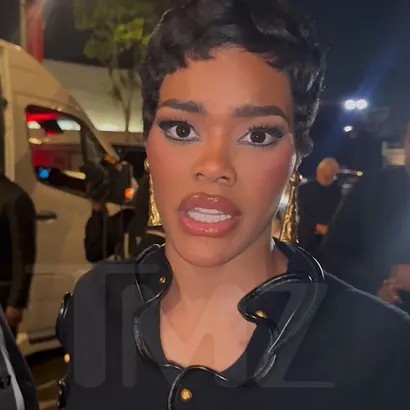
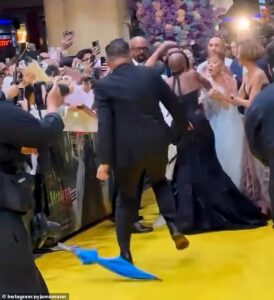
The night had gowns, gold statues, and-because Hollywood loves a plot twist-a tense sidestep with security that didn’t rattle Teyana Taylor’s crown.
Teyana Taylor addressed a brief but heated exchange with an Oscars security guard and made her stance plain: respect isn’t optional. The clip looks fiery; the context says it was a 30-second flare-up in a pressure-cooker room. She set a boundary, then went back to celebrating-grown-woman energy, no notes.
“I just don’t tolerate disrespect, especially when it’s unwarranted and unprovoked.”
The Moment
Sunday night, amid the usual post-ceremony shuffle, Taylor was filmed in a tense back-and-forth with a security staffer. In a short on-camera interview recorded immediately afterward, she downplayed the drama but was crystal clear about her line in the sand.
Her framing: security was “doing a lot,” and something about the interaction crossed a boundary. She didn’t escalate beyond words. She didn’t storm out. She didn’t wilt. She stated her case and kept her evening intact.
Put simply: a crowded corridor, a guard, a superstar who expects basic courtesy, plus a dozen phones rolling. That’s modern awards-night math.
The Take
There’s hype, and then there’s reality. The hype is the viral snippet that makes it look like World War III broke out at the Dolby. The reality is closer to a speed bump in couture: inconvenient, jarring for a beat, then you’re through it.
High-stakes events run on two engines: glamour and control. When those engines grind, sparks fly. Security is there to keep the herd moving and the stage safe; celebrities, equally human and equally stressed, expect not to be manhandled or talked down to. When boundaries get blurry, someone snaps the elastic. Taylor’s elastic just happens to snap in heels and a perfect liner.
Think of it as the Met Gala version of a TSA pat-down gone half a beat too far. You can do the job without making it personal. Taylor’s comment didn’t aim to humiliate a worker; it drew a perimeter around her dignity. That’s not diva behavior-that’s adulthood.
And the bigger cultural note: We’re overdue for a reset on how security engages public figures, especially women, in chaotic back-of-house corridors. Firm is fine. Forceful is not. If you wouldn’t do it to a CEO in a navy suit, don’t do it to a woman in a corseted gown trying to make her mark on a once-a-year night.
Receipts
Confirmed
- Post-ceremony, Taylor is seen in a brief verbal exchange with a security guard; short clips of the exchange circulated widely on social platforms on March 16, 2026.
- In an on-camera interview recorded immediately after the encounter (published March 16, 2026), Taylor said, “Security was just doing a lot… There’s always that one,” and “I just don’t tolerate disrespect, especially when it’s unwarranted and unprovoked.”
Teyana Taylor Addresses Her Tense Confrontation With Oscars Security https://t.co/PHTDWKW4zT pic.twitter.com/BrMBDhxAkS
— TMZ (@TMZ) March 16, 2026
Unverified/Reported, not independently confirmed
- Whether the guard physically put hands on Taylor in a way that prompted the exchange.
- Specific timeline details linking the moment directly to onstage appearances or award acceptances.
- Any formal complaint, internal review, or response from the Academy or the contracted security firm.
Status notes: As of publication, no on-record statement from the Academy or the security vendor was available.
Backstory (For the Casual Reader)
Teyana Taylor, 33, is a singer-choreographer-actor who’s built a decade-plus career on precision and presence. You may know her from the high-impact “Fade” video performance, her scene-stealing turns in Coming 2 America, and her acclaimed lead role in A Thousand and One (the 2023 Sundance Grand Jury Prize winner). She’s also a director and creative force behind the camera, with a reputation for meticulous artistry and, yes, clear boundaries. In short: she’s not new here, and she knows how a big night should feel.
The clip was hot; the takeaway is cooler. Taylor asked for respect, then went on with her evening. That’s the blueprint.
Where should award-show security draw the line between necessary crowd control and crossing a personal boundary; what feels fair to you?

































Comments