


Chappell Roan said she’s sorry a child felt uncomfortable, but she also says the man who allegedly scolded the girl at a hotel wasn’t her security. Jorginho, the Brazilian-born Italian international, went public, accusing Roan’s team of upsetting his 11-year-old. Then a Rio official chimed in with a you’re-not-welcome broadside. Welcome to the fame industrial complex: apologize fast, clarify faster.
The Moment
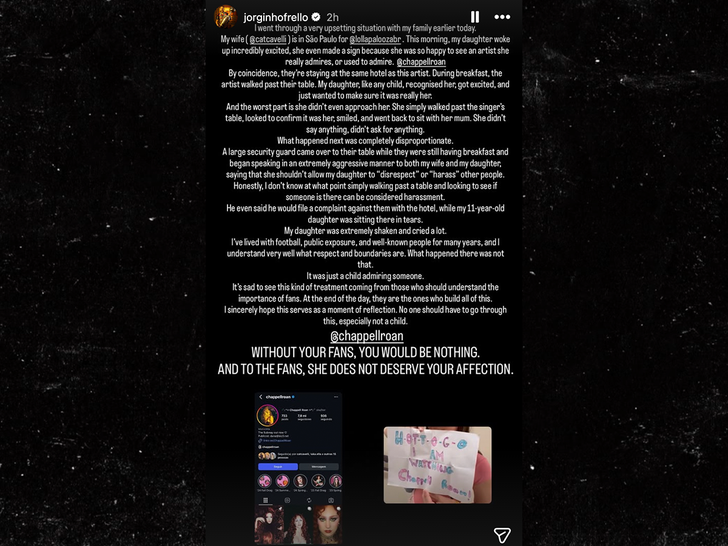
Over the Lollapalooza Brazil weekend, Jorginho posted that his stepdaughter, an 11-year-old fan, was reduced to tears after a man near Chapell Roan’s breakfast table allegedly berated them. He framed it as Roan’s security acting “aggressively.”
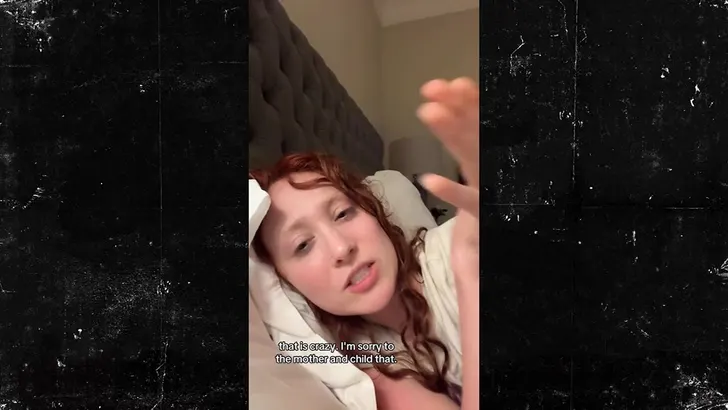
Roan answered on Instagram Stories, saying she never saw the child or her mother, did not direct anyone to confront them, and, key point, that the man in question was not her security. She apologized directly to the mother and child for feeling uncomfortable and said they didn’t deserve that experience.
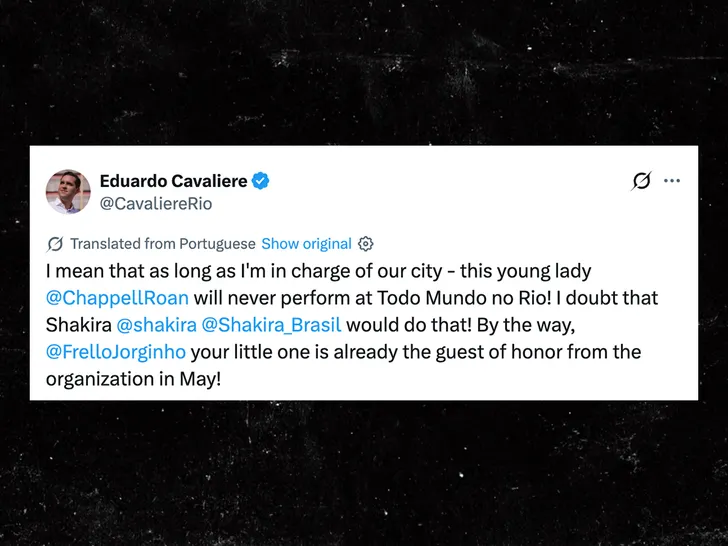
Later, a Rio de Janeiro official, Eduardo Cavaliere, publicly declared Roan “not welcome” at a future city festival, invoking Shakira as a contrast. It’s unclear whether Roan was even slated to appear. Meanwhile, Roan performed at Lollapalooza Brazil and thanked her actual security team onstage.
The Take
Two truths can sit at the same table: a kid cried, and the artist may not have been responsible for the adult who caused it. That’s not a contradiction; that’s the fog of celebrity proximity in public spaces, where every bystander with a lanyard gets mistaken for “team.”
There’s also the social media court problem. A post can turn a breakfast blip into an international referendum before anyone confirms who the man worked for, if anyone. Roan’s move, apologize for the impact but dispute the link, is the modern damage-control template. It acknowledges feelings without adopting liability she says isn’t hers.
And the festival posturing? That’s civic theater. If the man wasn’t her hire, banning the singer is like blaming the DJ when the aux cord came from the bar. Consequences should align with facts, not headlines.
Apology served hot, with a side of plausible deniability.
Confirmed:
- Chappell Roan posted an Instagram Story apologizing to the mother and child, stating that the man involved was not on her security team; she says she never interacted with them. Source: Chappell Roan via Instagram Stories, March 22, 2026.
- Jorginho publicly alleged a man he believed to be Roan’s security upset his 11-year-old and his wife at a hotel breakfast area. Source: Jorginho via Instagram, March 21-22, 2026.
- Roan performed at Lollapalooza Brazil and thanked her security onstage. Source: stage remarks documented in attendee clips and festival coverage, March 21-22, 2026.
Unverified/Reported:
- The identity and employer of the man who confronted the family. Roan says he was not her security. No independent confirmation has been published.
- Specifics of the interaction beyond each party’s posts; no official hotel incident report was made public.
- A Rio official’s statement that Roan is “not welcome” at a future city festival; unclear whether Roan was ever booked.
Backstory (for the Casual Reader)
Chappell Roan, the theatrical pop breakout behind Pink Pony Club, has rocketed from club favorite to festival headliner in the last two years. Jorginho, full name Jorge Luiz Frello Filho, is a Brazilian-born midfielder who plays for Italy and in England; he’s married to singer Catherine Harding and stepfather to her daughter with Jude Law. Roan’s ascent has brought heavier security and heavier scrutiny, the kind where a quiet meal can turn into a global talking point before the check arrives.
When a public dust-up involves a minor and conflicting accounts, what feels like a fair, responsible response from the adults: an apology now and an investigation later, or total radio silence until the facts are nailed down?













































Comments