

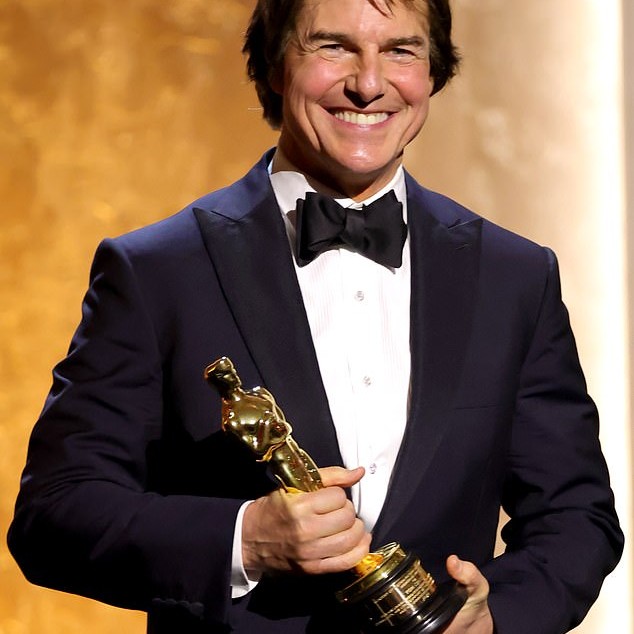
Reports claim Tom Cruise, ever the champion of the big screen, helped derail a Netflix push for Warner Bros. It’s a delicious tale of one movie star outmuscling the streaming tide. But mergers don’t live or die on celebrity pressure alone-let’s separate legend from ledger.
Here’s what’s been whispered: Netflix explored a deal, then walked; Cruise supposedly lobbied hard to keep films in theaters, and the dominoes fell his way. Here’s what’s documented: Cruise really does wield outsized clout for theatrical, and Hollywood loves to turn clout into myth.
The Moment
Over recent weeks, industry chatter centered on a potential Netflix move involving Warner Bros and counterproposals elsewhere in legacy Hollywood. The buzzy twist: whispers that Tom Cruise privately pressed for a more theater-first path and opposed a streamer-led takeover.
Then came talk that Netflix pulled back. Some connect those dots directly to Cruise’s alleged back-channeling, suggesting he “saved Hollywood” (again) by keeping one of its crown-jewel studios focused on cinemas instead of a streaming-first future.
David Ellison’s been chasing Warner Bros. Discovery for 6 months. Netflix had a deal, but Paramount just upped its bid.
Only 5 Skydance films topped $200M domestic – 3 with Tom Cruise carrying the catnip.
Billionaire wants bigger sandbox. 📰↓ pic.twitter.com/j8ONLvnIhO
— Walter Croncat (@mewscast) February 25, 2026
What’s actually on paper? As of publication, there’s no public filing or signed merger agreement crediting Cruise with any outcome. The star’s influence is real in creative and release strategies, but hard evidence that he personally tipped a corporate transaction remains absent.
The Take
Tom Cruise has become Hollywood’s patron saint of popcorn-he puts butts in seats and believes in the ritual of the theater. That’s good for morale and, often, for balance sheets. But billion-dollar deals don’t hinge on one actor, no matter how bankable.
Streaming-versus-cinema isn’t a binary religion; it’s a spreadsheet. Any potential Netflix-Warner Bros scenario would have to run a regulatory gauntlet, pass board and shareholder scrutiny, and pencil out strategically. One star’s persuasion can move a release window; moving an M&A mountain is another thing entirely.
Call it what it is: Hollywood’s favorite fable. We adore the “singular hero saves the town” arc, especially when the hero once literally flew a fighter jet to rescue the summer box office. But crediting Cruise with deciding the fate of a megadeal is like insisting the stadium headliner negotiated the city’s zoning laws. Great show, wrong committee.
“Cruise can bend calendars and open weekends; mergers answer to regulators, boards, and math.”
Receipts
Confirmed:
- Tom Cruise signed a strategic partnership with Warner Bros. to develop and produce theatrical films (studio announcement, January 2024).
- Top Gun: Maverick was held for a wide theatrical release and ultimately grossed roughly $1.5 billion worldwide (according to box-office tracking databases).
- Cruise’s on-set insistence on strict pandemic protocols during Mission: Impossible 7 was captured in widely circulated audio in 2020; the production continued under stringent guidelines thereafter.
Unverified/Reported, not proven:
- That Netflix formally bid for control of Warner Bros., or for specific bundled assets, in a manner close enough to consummation that a single star’s lobbying changed the outcome.
- That Cruise’s private outreach directly caused Netflix to walk away, or cleared a path for any alternate acquirer.
- Claims of threats of a personal “strike” by Cruise tied to corporate dealmaking.
What we don’t have: Any on-record confirmation from Netflix, Warner Bros. Discovery, or other parties attributing a deal decision to Cruise’s involvement; any public regulatory filings or signed merger agreements detailing such influence.
Backstory (For the Casual Reader)

Cruise spent decades at Paramount, turning Top Gun and Mission: Impossible into a tentpole franchise. During the pandemic, he became a de facto standard-bearer for keeping sets running safely and releases theatrical, famously holding Maverick until cinemas rebounded (which paid off in a massive 2022 haul). In early 2024, he inked a new creative pact with Warner Bros. Even as Hollywood consolidates and streaming matures, Cruise’s brand is stubbornly, gloriously analog: loud jets, practical stunts, and a box office that still answers when he calls.
Do you buy the “one-man savior” narrative here, or is this simply Hollywood’s myth machine doing what it does best?
Sources: Warner Bros. Pictures Group corporate announcement of Tom Cruise partnership (January 2024); global box-office tallies for Top Gun: Maverick compiled by established industry databases (accessed February 28, 2026); widely circulated 2020 audio from Mission: Impossible 7 set reflecting Cruise’s COVID-era production stance.






















































Comments