

The Moment
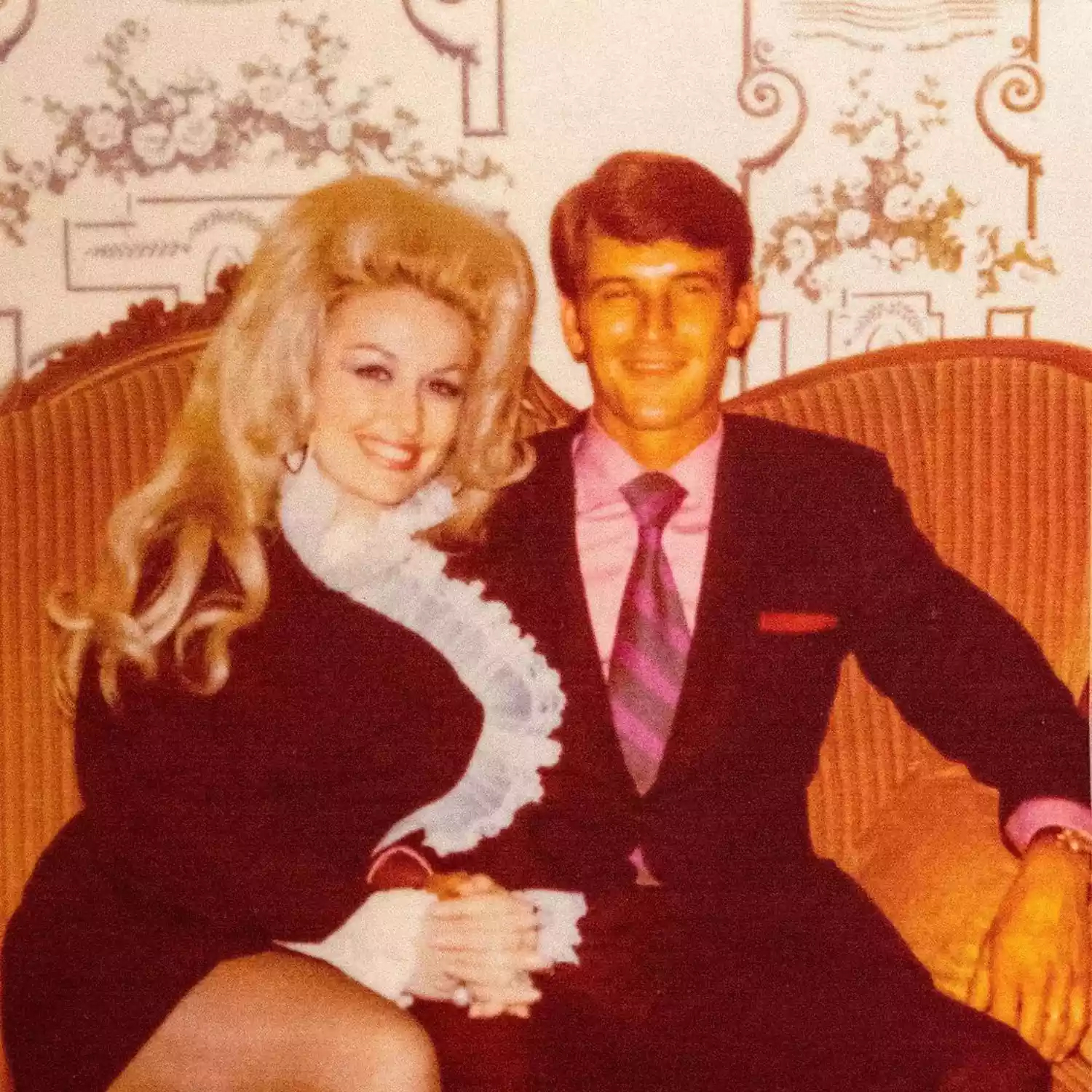
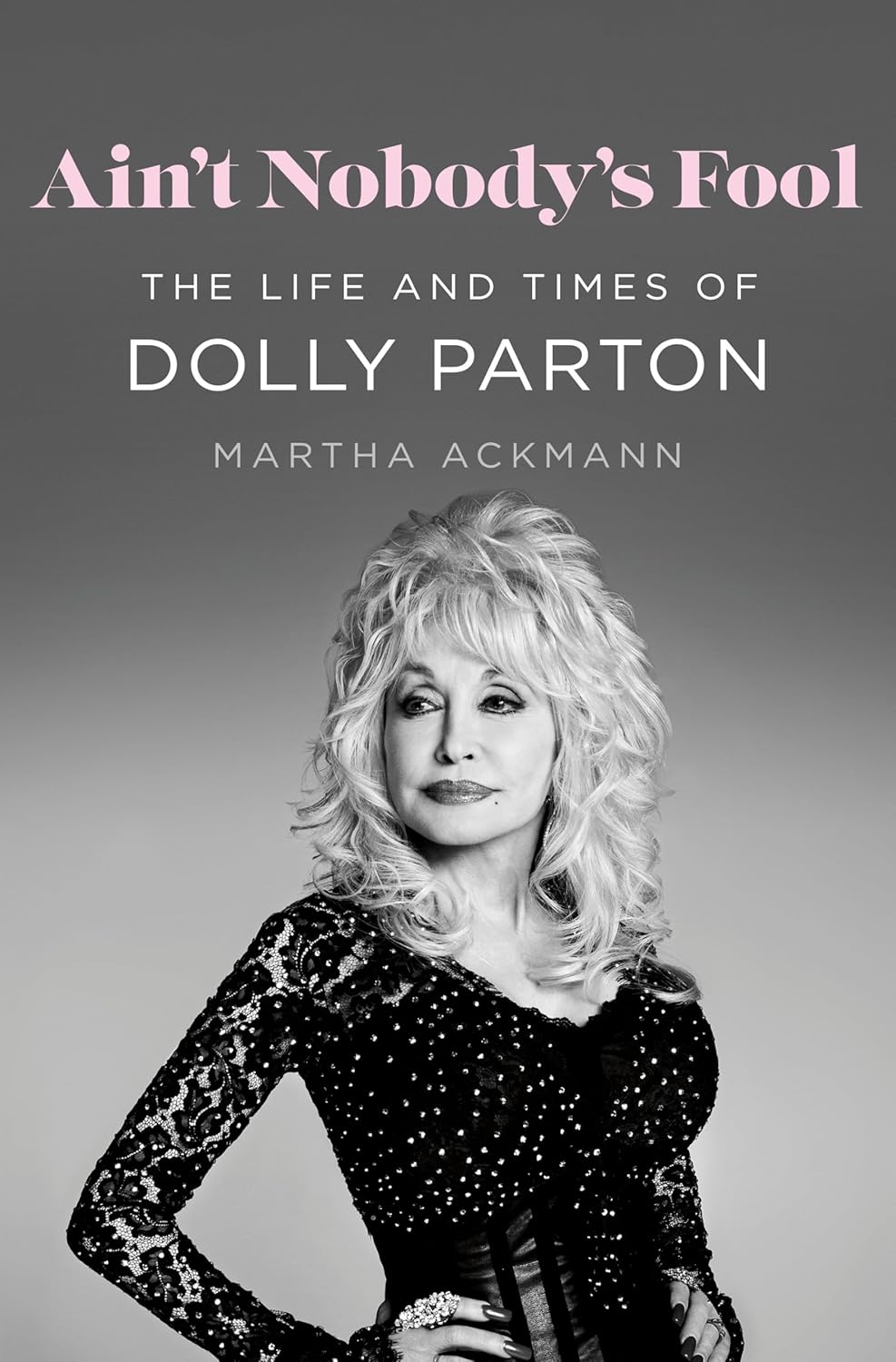
Dolly Parton has always been an open book in rhinestones – except when it came to one thing: her husband, Carl Dean. For decades, fans joked he was a myth, a PR creation, Bigfoot in a ball cap. Now a new biography, “Ain’t Nobody’s Fool: The Life and Times of Dolly Parton”, arriving this month, finally lingers on the man who spent nearly 60 years married to one of the most famous women on the planet and refused to play the fame game.
According to biographer Ackmann, Dolly met Carl at a Nashville laundromat when she was 18, lonely, broke, and so hungry she sometimes wandered hotel hallways at night hunting half-eaten room-service trays. “Even a basically honest person,” she once said, “can do desperate things when hunger begins gnawing at them.” He was a quiet local boy who could cook, sew, and was happy to do the housework – not exactly the Marlboro Man, and yet Dolly’s childhood friend Judy Ogle swears, “If Clint Eastwood and the Marlboro Man had a kid, it would be Carl.”
They married in 1966, when Dolly was 20 and Carl was 23, just as her career in Nashville was starting to spark. He wanted nothing to do with show business, ducked out of recording sessions, and later insisted on buying his own concert tickets rather than accept “Dolly’s husband” freebies. When reporters tried to pry, he’d offer a beer and some small talk – but, as he put it, “I am absolutely and positively not going to discuss Dolly.”

The book paints a sharper picture of a marriage that ran completely counter to celebrity expectations: a relentlessly visible wife, a fiercely invisible husband, and a shared agreement that the spotlight stopped at their front door. It also notes that Carl, who reportedly died in March at age 82, stayed that way to the end.
The Take
I don’t see an “ultra-secret” marriage here; I see one of the most impressive boundary-setting jobs in modern celebrity history.
Think about it: This is a woman who built an empire on being larger than life – the hair, the nails, the chest, the one-liners – and yet the deepest part of her life stayed completely offline before “offline” was a thing. While the industry kept trying to turn her into a fantasy, Dolly quietly protected the one relationship that wasn’t for sale.
And the details in this new biography make it crystal clear that wasn’t an accident. This is the same woman who told Elvis Presley’s camp “no” when they wanted half the publishing for “I Will Always Love You.” She loved Elvis, but she loved ownership more. She later joked to label executives, “When you son-of-a-bitches learn how to sell a female Elton John with long hair and big boobs that dresses like a freak, then we’ll make some money.” This is someone who understood her value down to the last penny – and the last piece of her soul.
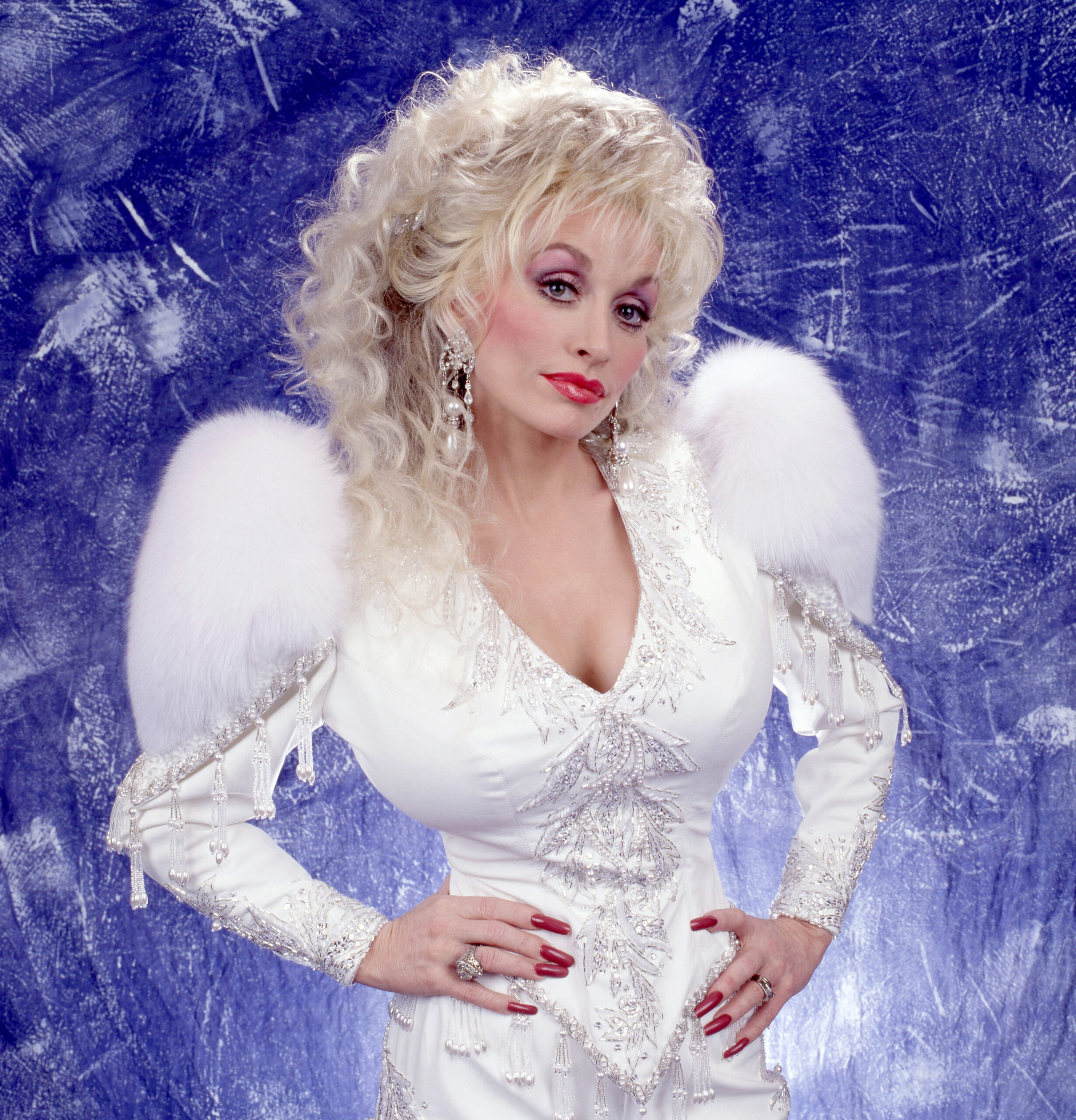
So of course she kept Carl out of the circus. That marriage was her personal master recording. Everyone else could stream the persona; the man at home was the original file.
I also love how their dynamic quietly flipped the script on old-school gender roles. Here’s Dolly, the so-called “dumb blonde,” out negotiating music legends and building an empire. Here’s Carl, the supposed macho Marlboro type, happily cooking, sewing, and keeping house. She didn’t want a traditional husband; she wanted a life partner who let her be as big as she needed to be. He didn’t chase clout, cameras, or cameos – and that’s exactly why it worked.
In a world where celebrity couples livestream their arguments and soft-launch new romances via cryptic Instagram posts, Dolly and Carl feel almost radical. No joint red carpets. No confessional podcasts. No matching brand deals. Just a woman in sequins and a man at the laundromat who decided their love story didn’t need an audience.
Call it old-fashioned. I’d call it quietly revolutionary.
Receipts
Confirmed
- Dolly Parton and Carl Dean married in 1966 when she was 20 and he was 23; she has repeated the date and story in multiple interviews and in her memoir-style book “Songteller: My Life in Lyrics” (2020).
- They met outside a Nashville laundromat shortly after Dolly moved there at 18, a story Dolly has told onstage and in print for years, including in “Songteller”.
- Carl Dean has long avoided publicity; Dolly has often joked that he’s only ever seen her perform live a handful of times and prefers staying home, including in a widely cited 2011 TV interview.
- Dolly turned down Elvis Presley’s request to record “I Will Always Love You” because his team wanted a share of the publishing rights; she has confirmed this in multiple interviews and in “Songteller” (2020).
- Dolly has said that “Jolene” was partly inspired by a redheaded bank teller who flirted with Carl Dean; she’s shared that story in concert patter and in “Songteller” (2020).
Reported / From the New Biography
- The description of Dolly’s early poverty in Nashville – including wandering hotel hallways at night looking for leftover room-service trays – comes from Ackmann’s 2025 biography “Ain’t Nobody’s Fool: The Life and Times of Dolly Parton”.
- Quotes from Dolly’s longtime friend Judy Ogle about Carl being “Clint Eastwood and the Marlboro Man’s kid” are from that same 2025 biography.
- The line Dolly allegedly delivered to record executives about being “a female Elton John with long hair and big boobs” is reported in the biography and in recent coverage tied to its release.
- It is reported in the new book and related reporting that Carl Dean died in March at age 82; as of now, that timing comes from those sources rather than a detailed public statement.
Backstory (For Casual Readers)
If you only know Dolly Parton as the woman who gave you “Jolene,” “9 to 5” and the best Christmas specials on TV, here’s the quick catch-up. She grew up dirt-poor in Sevier County, Tennessee, one of 12 children, and moved to Nashville at 18 to chase a country music dream. After a breakout stint on a popular country variety show in the late ’60s and early ’70s, she crossed over into pop, film, and eventually full-on icon status – think theme park (Dollywood), hit albums across decades, a bestselling memoir, and even a viral rock album in her late 70s.
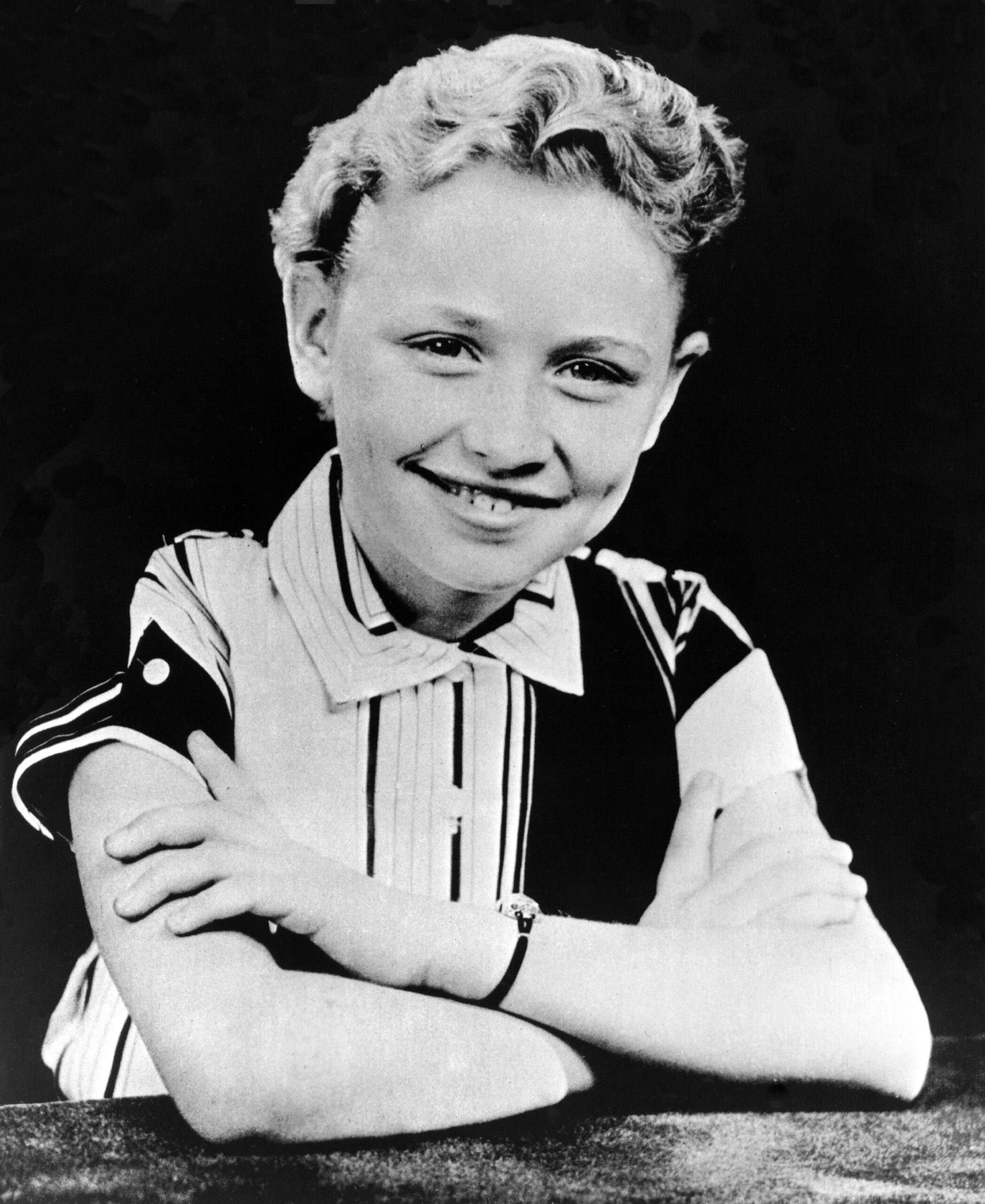
Through it all, the constant has been Carl Dean, the man she married in 1966 and almost never brought into the public eye. No kids, endless tabloid rumors, but one very long marriage largely lived off-camera. The new biography revisits those early years and, for once, lingers on the man who chose the shadows while his wife lit up every stage she touched.
What’s Next
The release of “Ain’t Nobody’s Fool” is going to reopen a lot of questions fans have had for years: How did Dolly and Carl actually live day-to-day? How do you sustain a marriage when one person belongs to the world and the other person wants nothing to do with it?
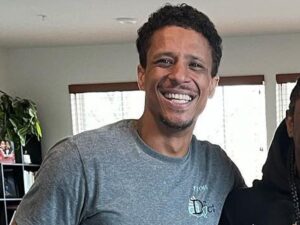
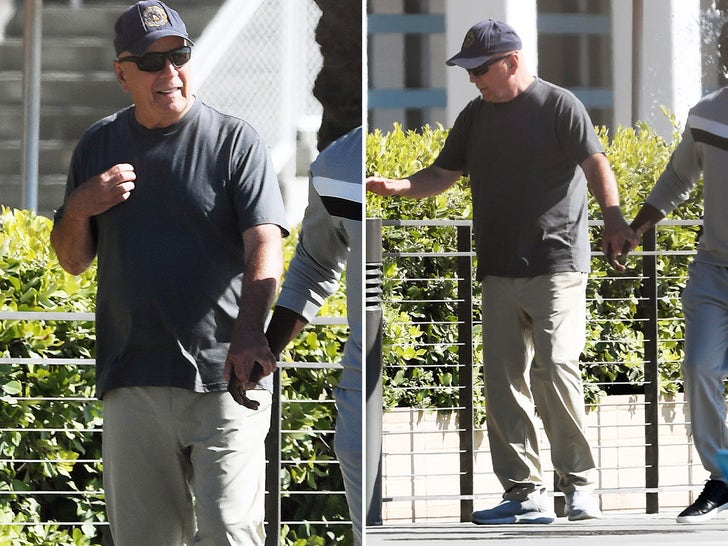
Expect a fresh wave of interest in the few photos that do exist of Carl, plus a new round of think pieces on whether more celebrities should follow Dolly’s blueprint and keep at least one corner of their life completely offline. If Dolly speaks further about Carl’s reported passing in upcoming interviews, those will likely be must-watches for longtime fans.
What we can safely bet on: Dolly will keep doing what she’s always done – work, give, and sparkle – while still holding something back just for herself. In an era where oversharing is treated like a personality trait, that might be her boldest move yet.
Sources: Dolly Parton, “Songteller: My Life in Lyrics” (book, 2020); official Dolly Parton biography materials (artist site, accessed 2024); Ackmann, “Ain’t Nobody’s Fool: The Life and Times of Dolly Parton” (biography, 2025).
Over to you: Do you find Dolly and Carl’s almost-invisible marriage romantic, frustrating, or just smart in today’s fame-obsessed world?

















Comments