

The Moment
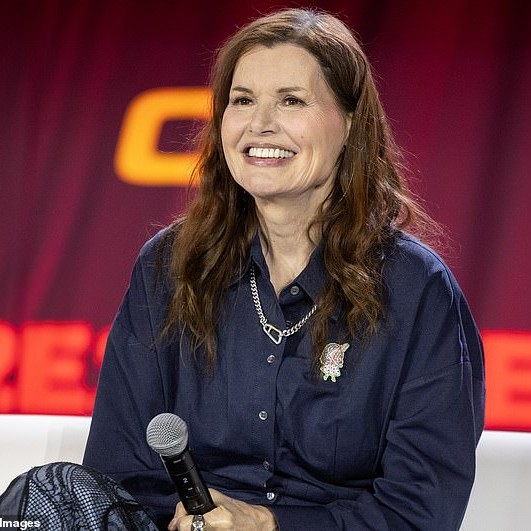
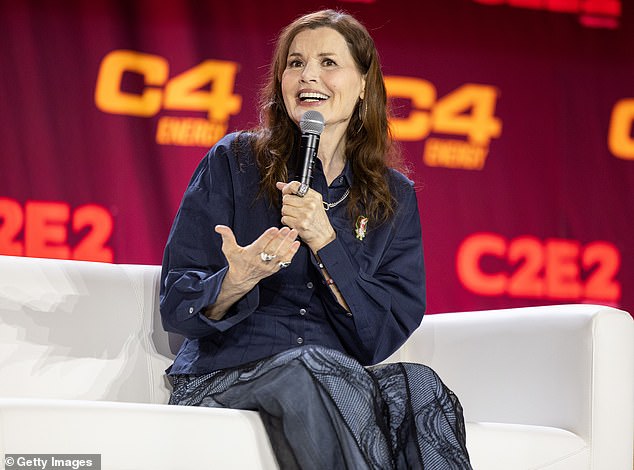
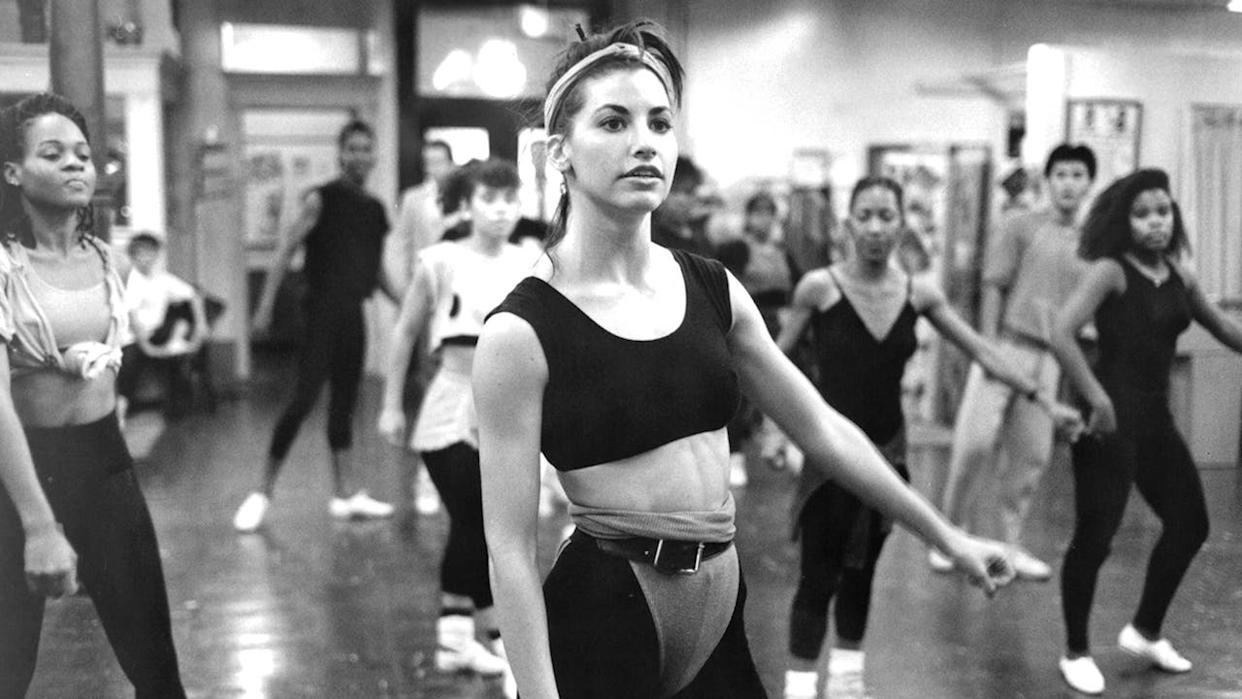
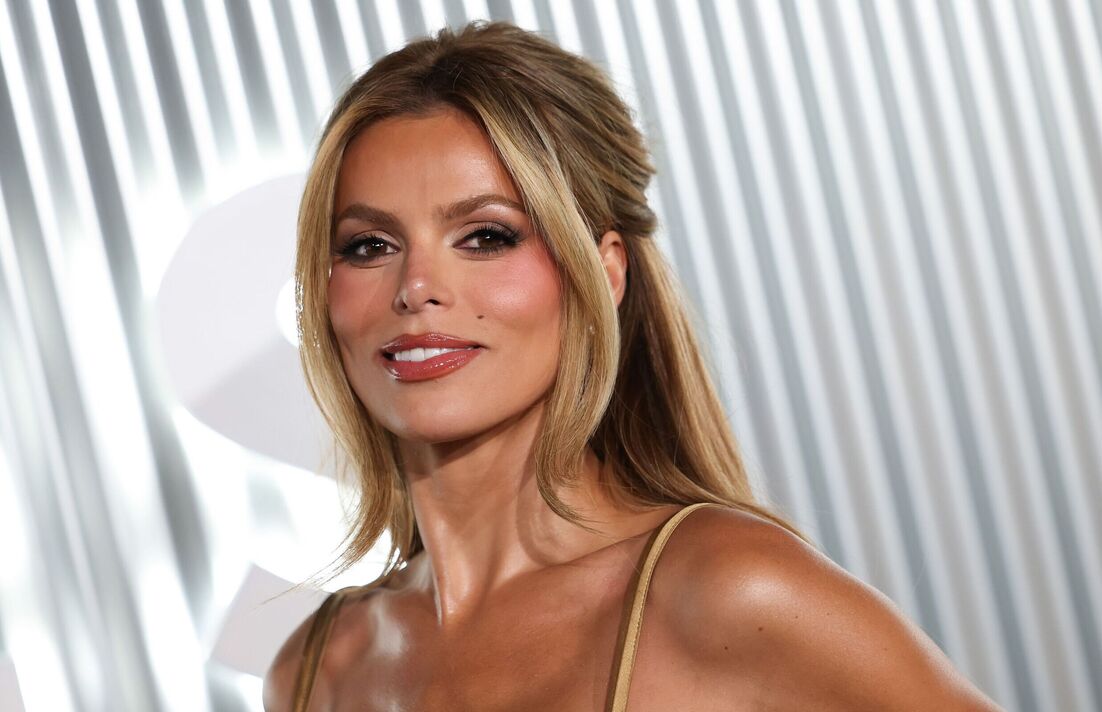
Geena Davis, age 70, popped up on the pop-culture radar over the weekend after reports and fan posts circulated that she appeared at an “A League of Their Own” panel in Chicago. The gist: she looked radiant, energized, and very much in command, exactly how you want the star of an American classic to stride onstage.
Details being passed around include a sleek, understated look and a smiling Q&A presence. Those specifics are still filtering through attendee clips, but the bigger headline is simple: Davis at 70 remains a crowd-stopper, and the internet promptly noticed.
The Take
Here’s where I land: the compliments are gorgeous, but the subtext matters. Every time a woman over 60 is praised for “not aging,” the applause can quietly double as a test she has to pass. Geena Davis has already passed every test that counts: an Oscar, a genre-spanning filmography, and real-world impact through her gender-in-media advocacy. She doesn’t need the beauty curve; she rewrote the syllabus.
I love a wow moment as much as anyone. I’m human, and she looked great. But the more interesting story is what she represents right now: longevity with purpose. Her name instantly conjures “Thelma & Louise” rebellion, “A League of Their Own” grit, and a decades-long push to make screens fairer for girls. That’s not “she discovered the fountain of youth.” That’s “she built a pipeline.”
When we default to “She hasn’t aged a day,” we flatten a 40-year career into a beauty filter. It’s like praising Serena Williams’ ponytail after a Grand Slam. Cute, sure, but did you see the work?
So yes, rave about the glow. But let’s also clock the power: a beloved star keeping a classic alive in rooms packed with fans, while the industry she challenged continues, slowly, to change.
Receipts
Confirmed:
- Geena Davis won the Academy Award for Best Supporting Actress for “The Accidental Tourist” (1989), and starred in “Tootsie” (1982), “The Fly” (1986), “Beetlejuice” (1988), “Thelma & Louise” (1991), and “A League of Their Own” (1992). These credits and the Oscar win are documented by the Academy of Motion Picture Arts and Sciences and her official bio.
- Davis founded the Geena Davis Institute on Gender in Media, which researches representation in entertainment, as stated on the Institute’s official site.
- Davis is 70 (born January 21, 1956), a fact consistent with public records and her official biography.
Unverified/Reported:
- The recent panel took place in Chicago on Friday, and descriptions of her outfit and specific onstage moments are based on attendee chatter and fan-shot posts circulating on social media and have not been published via official event channels at the time of writing.
- Any new quotes attributed to Davis at this panel are unconfirmed until an official recording or statement is released.
Backstory (for Casual Readers)
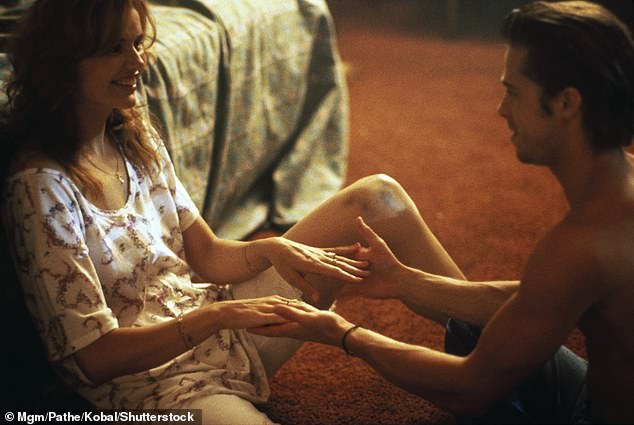
If you remember the ’90s, you remember the Geena Davis run: comedic chops in Tootsie, sci-fi scream-and-swoon in “The Fly” (opposite then-partner Jeff Goldblum), cult-classic chaos in “Beetlejuice”, and that thunderclap of female-friendship power in “Thelma & Louise” with Susan Sarandon, plus a young Brad Pitt getting his star-is-born moment. Then came “A League of Their Own”, a baseball dramedy that became a generational touchstone. Offscreen, Davis spent the 2000s and beyond pushing Hollywood to account for who gets seen and heard, through the Institute that bears her name.
What’s Next
If the Chicago panel was officially produced, expect sanctioned photos or video to surface; watch Davis’s verified social feeds and the Geena Davis Institute’s channels for clean clips and context. If a reunion circuit is in motion, more nostalgic moments could follow as spring fan events continue to roll.
Meanwhile, the better long game is the one Davis has played for years: keeping “A League of Their Own” in the cultural conversation and pushing for equitable representation so the next generation of “leads” doesn’t have to be a surprise. They’re a given.
When a star like Geena Davis makes headlines at 70, what do you most want the coverage to center on: style, legacy, advocacy, or all of the above?




























Comments