


The Moment
Just when you thought the Epstein-Maxwell saga had finally slid off the front page, here we go again.
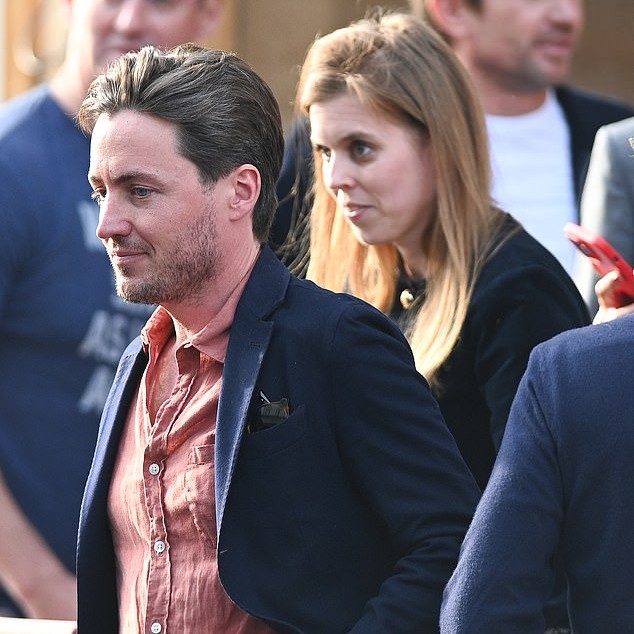
Newly released emails linked to Ghislaine Maxwell are pulling a fresh cast of very familiar faces back into the spotlight – from tech titan Elon Musk to Princess Beatrice of York, plus the usual royal suspects orbiting Prince Andrew. According to reported court-file releases, the cache runs into the millions of documents, including emails, photos and videos with little or no context.
One of the most jaw-dropping pieces: a 2011 email from Maxwell (writing from an account reportedly labeled “GMAX”) coaching Jeffrey Epstein on how to discredit Virginia Giuffre – the woman who later brought a civil sexual assault case against Prince Andrew in the U.S.
In that email, Maxwell allegedly suggests painting Giuffre as a troubled teen “into witchcraft” and emphasizes that she was 17 when Andrew met her. The intent, per the wording, seems clear: muddy the waters around a young woman’s credibility instead of answering the actual allegations.
These messages surfaced alongside other communications showing how Epstein’s social circle overlapped with royals, billionaires, and political figures. And once again, the internet is trying to draw a bright red line between “in the same inbox” and “in the same crime.”
The Take
I’ll be blunt: there are two stories happening at once here.
Story one: Ghislaine Maxwell allegedly worked behind the scenes to smear a young accuser and protect powerful men. That is very much on-brand for what a U.S. jury already convicted her of: aiding a predator and shielding him with money, charm, and spin.
Story two: A new round of “Gotcha!” headlines every time a boldface name shows up in Epstein-adjacent files – Elon Musk here, a princess there, a stray billionaire in an email greeting someone as “my harem-loving friend.” It’s messy, it’s uncomfortable, and it’s also not automatically evidence of criminal behavior.
The public keeps trying to treat these document dumps like a magic sorting hat: if your name is in the emails, you’re guilty; if not, you’re clean. Real life is uglier and less satisfying. Some people clearly did terrible, illegal things. Some were bystanders. Some were social climbers who smelled money and status and didn’t ask enough questions. And some may have had no clue what was happening behind closed doors.
What the Maxwell email about Virginia Giuffre does show is how powerful people often respond when a young woman points a finger: they don’t examine the accusation; they attack the accuser. Make her sound unstable. Call her obsessed. Paint her as weird, dangerous, or “into witchcraft.” It’s the same tired playbook we’ve seen used against women for decades, just dressed up in a billionaire’s inbox.
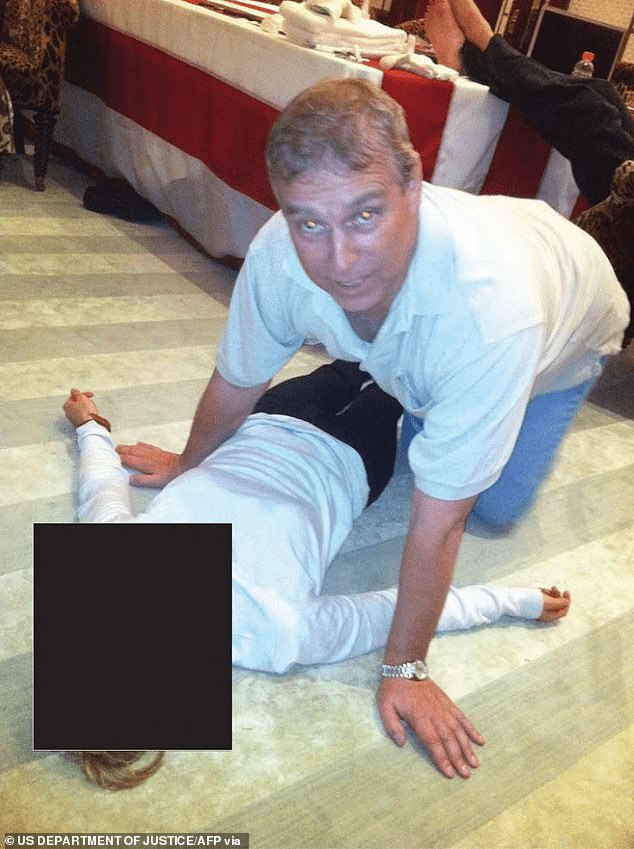
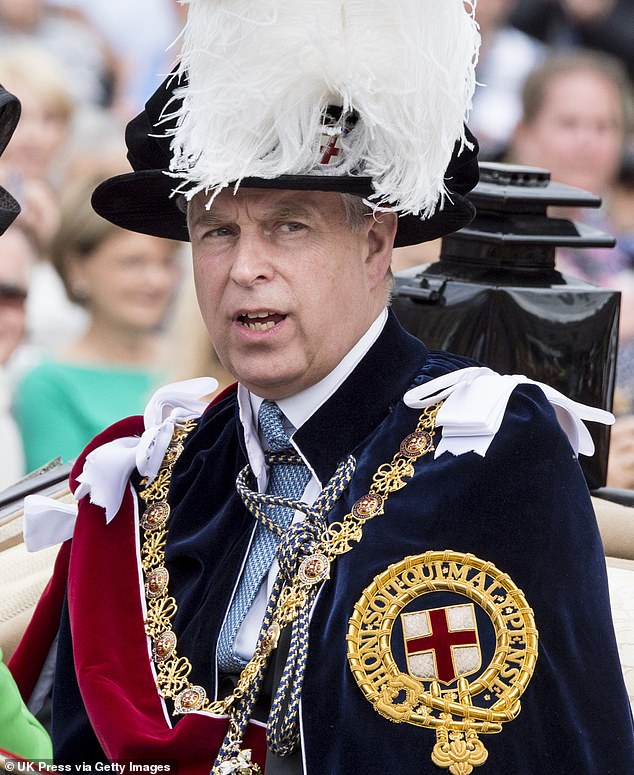
And then there’s Prince Andrew. He paid an undisclosed settlement in 2022 to resolve Giuffre’s civil lawsuit, while continuing to deny her claims. Legally, that case is closed. Culturally? Not even close. Every new batch of documents that references him – loans, introductions, emails, travel – reminds the public that the royal family’s “bad uncle” problem never really went away; it just got moved out of the official family photo.
If I had to sum up this latest round of revelations: think less “new bombshell proving everything” and more “high-resolution photo of the same rotten ecosystem.” The names change around the edges. The power dynamics, sadly, do not.
Receipts
Here’s what’s solid and what still sits in the gray zone, based on court records and public reporting to date:
Confirmed:
- Ghislaine Maxwell was convicted in U.S. federal court in 2021 on multiple counts, including sex trafficking of minors, and was sentenced to 20 years in prison in June 2022 (per federal court records in United States v. Ghislaine Maxwell).
- Virginia Giuffre filed a civil sexual assault lawsuit against Prince Andrew in the U.S.; the case was settled out of court in early 2022 for an undisclosed sum, with Andrew denying the allegations and making no admission of liability (per the publicly filed settlement notice and Buckingham Palace-adjacent statements reported at the time).
- Recently unsealed Epstein-related court materials include email correspondence involving Maxwell and Epstein; among these, a 2011 email allegedly shows Maxwell suggesting a strategy to portray Giuffre as a troubled teen “into witchcraft” and emphasizing her age when she met Andrew (according to descriptions of the filings in newly reported court documents).
- Publicly available filings and earlier document releases have shown that Epstein’s social and professional network included royals, billionaires, academics, and political operatives. Being listed in contacts or mentioned in emails is documented; what those relationships meant in each case varies widely.
Unverified or Context-Dependent:
- Any claim that simply being named in Maxwell or Epstein emails – whether it’s Elon Musk, Princess Beatrice, or other public figures – equals knowledge of or involvement in criminal conduct. No court has found that every person in those communications was complicit.
- Detailed interpretations of out-of-context photos, videos, and one-line emails from massive document dumps. Many items lack dates, explanations, or corroborating material.
Sources (human-readable): U.S. federal court records in United States v. Ghislaine Maxwell (verdict December 2021; sentencing June 2022); New York civil court filings in Virginia Giuffre v. Prince Andrew and the February 2022 settlement notice; summaries and descriptions of newly unsealed Epstein-related documents reported by major U.S. and U.K. news organizations in 2024-2026.
Backstory (For Casual Readers)
If you’ve tried to keep this saga straight and your head spins, that’s normal.
Jeffrey Epstein was a wealthy financier who moved in elite circles and was accused for years of sexually abusing underage girls. He was arrested on federal sex trafficking charges in 2019 and died in jail, officially ruled a suicide. Ghislaine Maxwell, a British socialite and Epstein’s longtime associate, was later tried and convicted for helping recruit and groom underage girls for him.
Virginia Giuffre has said that Epstein trafficked her as a teenager and that she was forced into sexual encounters with powerful men, including Prince Andrew. Andrew has consistently denied her claims. In 2022, he settled her U.S. civil lawsuit privately, stepping back from royal duties and losing many official titles in the fallout.
Since then, courts have been slowly unsealing more documents tied to Epstein’s world – logs, depositions, and emails. Each new release fuels public outrage and, just as often, confusion: who actually did what, and who was simply in the room?
What’s Next
Expect more names, more screenshots, and more selective outrage as people comb through the latest trove of emails and files. Legal systems move slowly; social media does not.
For Prince Andrew, this is another reputational bruise on skin that’s already paper-thin. Even without new charges, each round of headlines makes his tentative rehabilitation inside the royal family look less likely. The institution may quietly keep him in the deep freeze, regardless of what the legal record does or doesn’t say.
For the billionaires and public figures who show up in Maxwell’s inbox – whether it’s Elon Musk, royals like Princess Beatrice, or high-profile business leaders – the next step is almost always the same: issue a carefully worded statement, emphasize limited contact, and stress that no wrongdoing has ever been alleged against them personally.
Bigger picture, the real test is whether these document releases change anything systemic. Do we get tougher transparency rules around high-profile philanthropists and “charity” foundations? Do boards and institutions vet their benefactors more seriously? Or do we just get a few scandalous weekends on social media and then quietly move on?
If nothing else, Maxwell’s alleged email about smearing a young accuser should be a flashing neon sign: when powerful people are accused, pay attention to who gets scrutinized first – the man with the money, or the girl with no power.
What do you think: when big names pop up in these Epstein-Maxwell documents, should we treat every association as a red flag, or are we in danger of turning “guilt by proximity” into its own kind of witch hunt?



















































Comments