

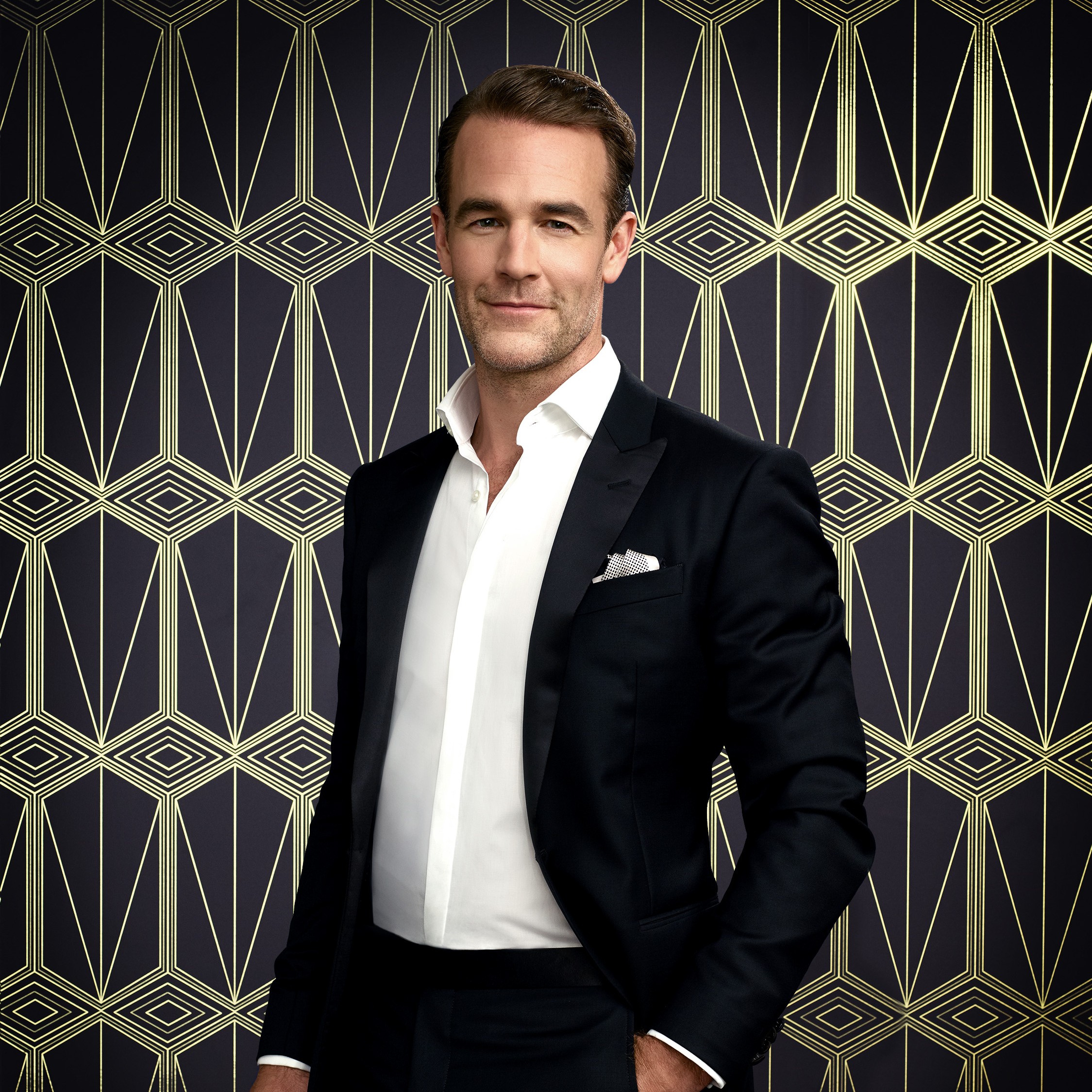
James Van Der Beek helped define late-’90s teen TV, but the money that should have followed him into middle age apparently never did.
The face of one of TV’s most famous crying memes reportedly made almost nothing from the show that made him a household name. That alone would be a tough Hollywood lesson; paired with a cancer battle, mounting medical bills, and a GoFundMe for his wife and six kids, it becomes a gut punch and a case study in how this business really works.
According to a new report and resurfaced quotes, the Dawson’s Creek lead wasn’t just underpaid in the grand scheme of things. He says he was locked into a contract so bad that the reruns, the streaming, the cultural afterlife of the show-none of it added up to long-term financial safety.
The Moment
In a report published February 13, 2026, Page Six says James Van Der Beek, 48, died after a battle with colorectal cancer and struggled financially in his final months because treatment kept him from working, and the expected cushion from Dawson’s Creek never really existed.
Friends launched a GoFundMe for his wife, Kimberly, and their six children, describing the family as facing “an uncertain future” after his death. Within hours, donations reportedly surged toward $2 million, with names like Zoe Saldana, Wicked director Jon M. Chu, and Dancing With the Stars alum Derek Hough chipping in thousands.
That generosity collided online with a 2012 interview Van Der Beek gave to Today.com, where he said there was “no residual money” from Dawson’s Creek, called it a “bad contract,” and admitted he “saw almost nothing from that.” He even said he took the sitcom Don’t Trust the B– in Apartment 23 when the Dawson’s money ran out.
Actress Rachel True, who appeared in two Dawson’s Creek episodes, added her own on-the-ground perspective on X (formerly Twitter), responding to coverage of the GoFundMe. She wrote that shows not airing on the Big Three broadcast networks were treated as already “syndicated,” which meant they didn’t have to pay what many people would consider proper residuals. In her words, it “F’s actors like James out of their deserved financial security & proper legacy.”
The Take
Let’s say the quiet part loudly: the idea that everyone you see on a hit TV show is permanently rich is a fantasy sold to viewers and, frankly, sometimes to the actors themselves.
Dawson’s Creek was a teen-drama juggernaut from 1998 to 2003, airing on The WB, the younger-skewing network that later morphed into The CW. It launched careers, fueled magazine covers, and turned James Van Der Beek into a first-name-only kind of famous. You would reasonably assume that kind of cultural impact comes with a solid, inflation-proof set of checks.
But contracts signed when you are 20 and thrilled just to have a job are rarely written to protect Future You. They are written to protect the studio. Residuals-the small payments actors receive when episodes rerun or stream-are supposed to be the safety net. Instead, for a whole crop of actors from cable, niche networks, and now streaming, that net is full of holes.
Finding out Dawson himself saw “almost nothing” from Dawson’s Creek is like discovering the person on your favorite cereal box couldn’t actually afford breakfast.
Rachel True’s post gets at a larger truth: the way some shows are categorized-from “basic cable” to “first-run syndication” to “already syndicated” product-can drastically reduce what actors earn on the back end. Add in streaming, where libraries are bundled and rebundled like gym memberships, and it becomes even easier for money to vanish into corporate accounting fog.
Layer on top of that a very real, very human crisis: a working actor, beloved by colleagues and fans, reportedly selling Dawson’s Creek memorabilia to pay for cancer treatment, and his family relying on public donations after he’s gone. Whatever label you put on the contract, that outcome tells you something in the system is off.
And no, this isn’t about blaming individuals for not investing “correctly” at 23. That’s the dodge people use when they don’t want to talk about structural issues. The point is simpler: when the star of a defining show from the peak network-TV era cannot rely on his show’s long tail to protect his family, the myth of TV rich needs to be retired.
Receipts
Confirmed:
- Page Six reports that James Van Der Beek died at 48 after a battle with colorectal cancer and that friends established a GoFundMe to support his wife and six children, describing their financial future as uncertain.
- In a 2012 interview with Today.com, Van Der Beek said of Dawson’s Creek that “there was no residual money,” called it a “bad contract,” and said he “saw almost nothing from that,” explaining he took Don’t Trust the B– in Apartment 23 when the Dawson’s money ran out.
- The GoFundMe campaign had reportedly raised nearly $2 million, with donations from high-profile figures including Zoe Saldana, Jon M. Chu, and Derek Hough.
- Rachel True, who appeared in two Dawson’s Creek episodes, posted on X that shows not on ABC, CBS, or NBC were considered “already syndicated,” which she says allowed companies to avoid paying what she calls proper residuals, “F’ing” actors like Van Der Beek out of financial security.
- Dawson’s Creek aired from 1998 to 2003 on The WB network, later folded into what became The CW, and developed a long life in reruns and on streaming platforms.
Unverified / Context:
- The precise terms of Van Der Beek’s Dawson’s Creek contract are private; all references to it being “bad” come from his own public comments, not leaked documents.
- Rachel True’s explanation of how residuals are calculated for non-Big Three network shows reflects her understanding and experience; the specific contractual details can vary from show to show and are governed by SAG-AFTRA agreements and individual deals.
- Exact figures for what Dawson’s Creek has earned in syndication and streaming, and how those amounts were split among participants, have not been made public.
Backstory (For the Casual Reader)
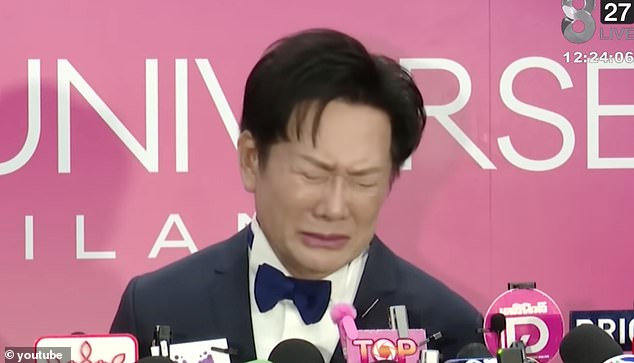
If you missed the original wave, Dawson’s Creek was a late-’90s coming-of-age drama about four friends in a small coastal town, starring James Van Der Beek, Katie Holmes, Joshua Jackson, and Michelle Williams. It became appointment television for a generation, famous for hyper-verbal teens, big feelings on docks, and the now-iconic shot of Van Der Beek’s tearful face that later went viral as a meme.
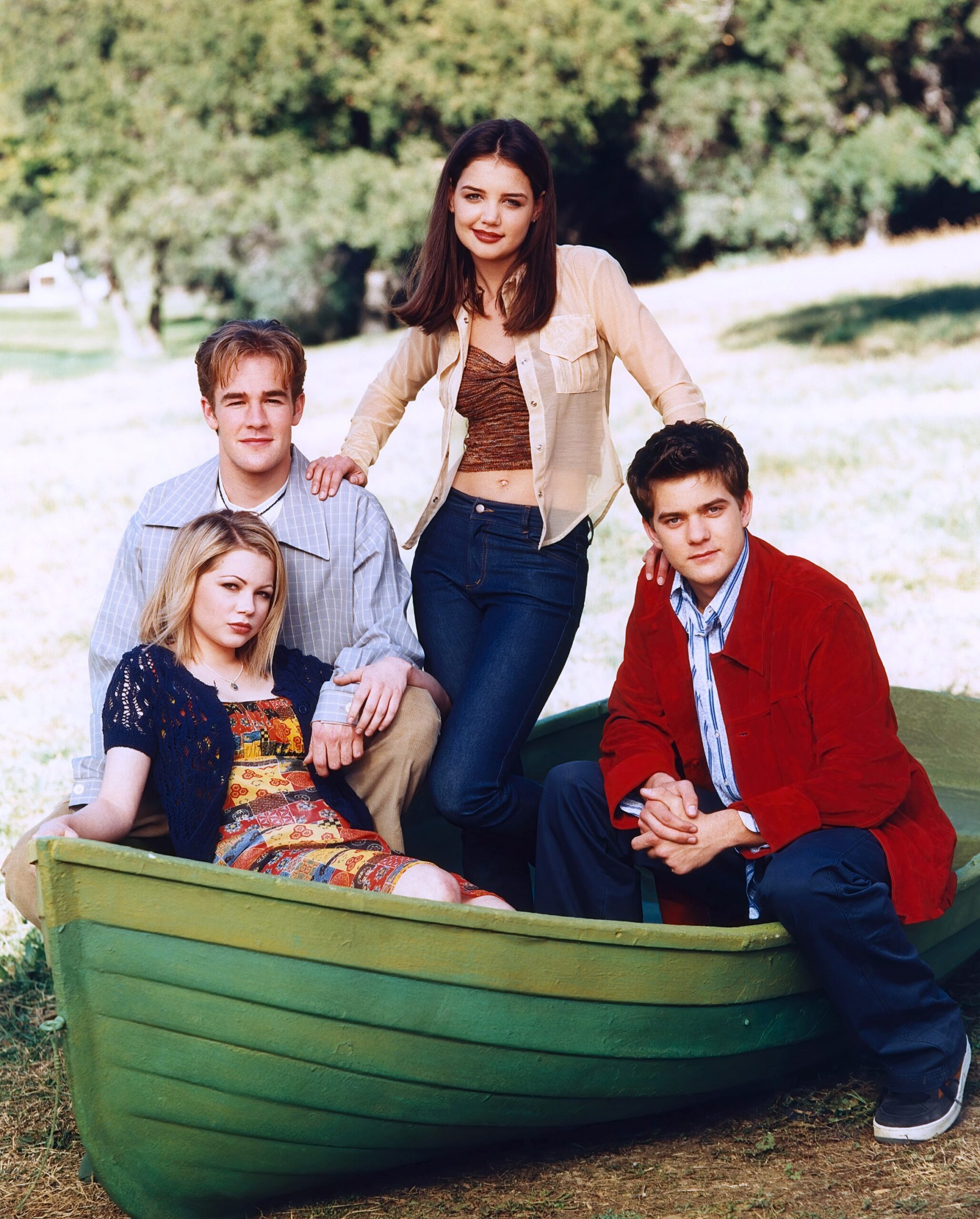
After the show, Van Der Beek worked steadily – films like Varsity Blues, a self-parodying version of himself on Don’t Trust the B– in Apartment 23, and a mix of TV and streaming projects-never quite disappearing, but also never matching the singular heights of his Dawson era. Residuals from that era, in theory, should have been the quiet engine in the background, helping cover dry spells, family life, and, yes, medical emergencies.
Instead, if his own words and the current fundraising push are any indication, they barely registered. That gap between what we assume about “TV money” and what actually shows up in the mailbox is the real story here, and it’s not unique to one actor in one nostalgia-drenched show.
Where do you land: should stories like Van Der Beek’s push viewers to rethink how “TV rich” we assume our favorite stars are, or do you see this as an unfortunate one-off instead of a systemic problem?
Sources: Reporting and quotes from Page Six (Feb. 13, 2026); James Van Der Beek interview with Today.com (2012); Dawson’s Creek broadcast history via network and episode records; public posts by Rachel True on X responding to coverage of Van Der Beek’s GoFundMe (Feb. 2026).



























Comments