


The Moment
Jillian Michaels, the no-nonsense trainer most of us met on The Biggest Loser, just took a flamethrower to one of beauty’s favorite lies: that face fillers are a harmless little “lunchtime tweak.”
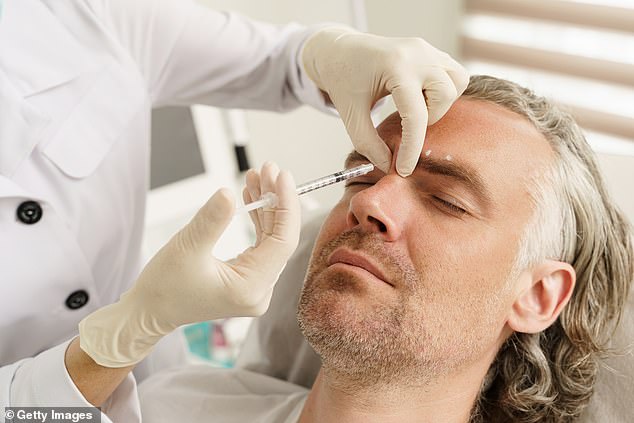
In a new column, she says a top Beverly Hills plastic surgeon, Dr Timothy Katzen, laid out what those hyaluronic acid injections can really do: restrict blood flow, damage tissue, and in rare but very real cases, even threaten your vision. His comparison? Injecting filler is like inflating a balloon under your skin and hoping the neighbors – your nerves, blood vessels, and cells – don’t get crushed.
Michaels also points to newer imaging research that found fillers still sitting in people’s faces years later, long after they were told the product would “dissolve” in 6-12 months. One patient reportedly still had filler showing up on MRI 15 years later.
And because this is 2020s beauty culture, there’s a trendy side quest: so-called “Ozempic face.” People who lose weight rapidly on medication end up with deflated-looking faces – and the quick fix they’re sold is, surprise, more filler. Michaels’ whole argument: we’ve turned injectables into the new mascara, and nobody is being truly honest about the risks or the long game.
Her preferred alternative, backed by Dr Katzen? Fat transfer – moving your own fat from one area of the body to the face. It’s slower, pricier, and way less Instagrammable than a “15-minute glow-up,” but in their telling, it’s safer and more natural.
The Take
I’ll be blunt: the way we talk about fillers is starting to sound like the way we used to talk about cigarettes – glam first, fine print later.
For the last decade, injectables have been sold like a drive-thru combo meal. “Pop in on your lunch break, erase a decade, be back at your desk by one.” No big deal. No consequences. Just vibes and a ring light.
Now you’ve got Jillian Michaels – whose literal career is built on transformation – standing up and saying, actually, this is a big deal. When a veteran plastic surgeon is comparing your lip plump to a balloon compressing blood vessels, it’s hard to keep pretending this is the skincare equivalent of ordering extra guac.
Her column also taps into something deeper a lot of 40+ women (and men) are feeling: we are tired. Tired of pretending aging is a personal failure. Tired of watching 23-year-olds call baby Botox “preventative medicine.” Tired of scrolling past faces that look less like humans and more like AI filters brought to life.
The analogy that keeps coming to mind? Fillers are like signing up for a free streaming trial you never cancel. The first month feels fun and low-commitment. Then the years pass, the auto-pay stacks up, and one day you realize you’ve been quietly bleeding money and you can’t even remember what your original setup looked like.
Michaels is basically saying: at some point, the beauty industry stopped helping us age well and started selling us a full-time job. You age a bit, you inject, the face shape changes, so you “correct” with more filler, which then complicates any surgery you might want later. That’s not self-care; that’s a hamster wheel with Botox on the spokes.
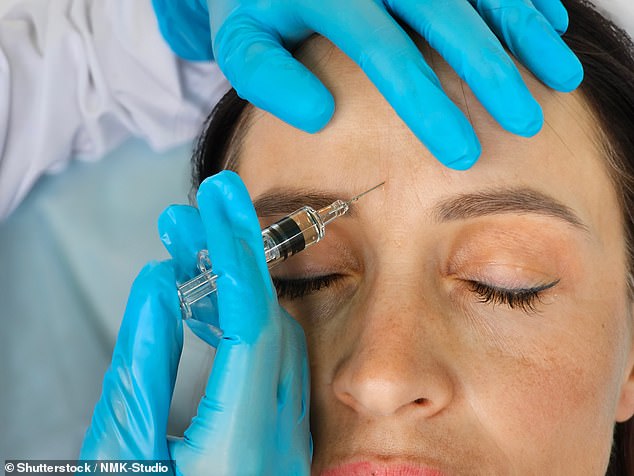
Do fillers have a place? In skilled hands, for specific concerns, sure – most experts agree they can be safe and effective when done correctly. But that’s a very different story from the one being pushed on Instagram, where a 20-year-old getting “preventative” cheek filler is treated like she’s just booked a blowout.
What I like about Michaels’ stance is that it isn’t “never touch your face.” It’s more: stop pretending injecting foreign material into your facial arteries is the same as getting a facial. There is a scale of risk here, and a lot of people have been sold the kiddie-version when they’re actually on the roller coaster.
Receipts
Confirmed
- In a December 2025 opinion column, Jillian Michaels says Beverly Hills plastic surgeon Dr Timothy Katzen warned her that hyaluronic acid fillers can, in rare cases, lead to tissue damage (necrosis) and reduced blood supply (ischemia), especially if injected improperly or in high volume.
- Michaels reports that Dr Katzen cautions about a known but uncommon risk of blindness if filler blocks blood flow to the eye’s central retinal artery – a complication also listed in U.S. Food and Drug Administration consumer guidance on dermal fillers (FDA updates, 2021-2023).
- She cites a 2024 study presented at the Radiological Society of North America (RSNA) meeting where MRI scans detected facial hyaluronic acid filler in all 33 patients at least two years after injection, with one case reportedly visible 15 years later.
- Michaels quotes Dr Katzen saying that repeated filler use can create inflammation and lumps that make later face- and neck-lifts more challenging – a concern that aligns with cautionary notes from the American Society of Plastic Surgeons about managing prior fillers during surgery (ASPS guidance, 2023).
- Fat transfer to the face (also called fat grafting) is an established plastic surgery procedure in which a patient’s own fat is harvested, processed, and injected elsewhere; major plastic surgery societies describe it as a recognized option for facial volume restoration.
Unverified or Opinion
- Dr Katzen’s statement that about 90 percent of his patients now choose fat transfer over fillers reflects his individual practice, not nationwide statistics.
- The claim that fat transfer is “superior” to fillers is an expert opinion, not a universally accepted medical verdict; other board-certified surgeons may reasonably disagree based on patient needs.
- The scale of very young adults (early 20s) getting “preventative” filler is not fully captured in national data; much of what we see is social media marketing and anecdotal reports.
- “Ozempic face” is a pop-culture term, not a formal diagnosis; while weight loss can change facial fullness, the exact causes and best cosmetic responses vary by patient.
Backstory (For Casual Readers)
If you’ve ducked the filler craze so far, here’s the cheat sheet. Dermal fillers are injectable gels, often made of hyaluronic acid – a substance your body naturally has in skin and joints. They’re used to plump lips, smooth lines, and restore volume. When everyone started calling them a “lunchtime procedure,” demand exploded, especially among women in their 30s, 40s, and 50s.
Jillian Michaels, 51, became famous as the tough-love trainer on reality TV and has since built a fitness-and-wellness empire. Her audience skews exactly toward the women being told, nonstop, that filler is just basic maintenance – like coloring your roots. At the same time, injectable culture has gone younger, with clinics openly pitching “preventative” Botox and fillers to people barely out of college.
Layer in the rise of weight-loss drugs like Ozempic and Wegovy, and you get “Ozempic face”: social media’s nickname for the gaunt, deflated look some people notice after rapid weight loss. Instead of stepping back, a lot of people are being nudged toward still more injections to re-inflate what they just deflated. Michaels’ piece lands right in the middle of that swirl.
What’s Next
Don’t be surprised if this column kicks off a new round of celebrity beauty confessions. We’ve already seen stars dissolving old fillers and talking more honestly about what they’ve had done; Michaels is adding another voice saying, essentially, “Ask better questions before you let a needle near your face.”
On the medical side, expect more talk about who should be allowed to inject what. Regulators and professional groups have been inching toward tighter rules and clearer warnings, especially as horror stories from cheap, unqualified injectors keep surfacing.
Fat transfer, which Michaels and Dr Katzen endorse, may become the next big “quiet luxury” in aesthetics: slower, pricier, done mostly by board-certified plastic surgeons – and therefore not as easy to package into viral before-and-after Reels. If that happens, fillers might slowly shift back to what they were originally meant to be: targeted tools used carefully, not a default line item on everyone’s beauty budget.
For the rest of us, the real turning point might be cultural, not surgical. Do we keep chasing a smoothed-out, filtered version of ourselves – or do we start redefining “looking good for our age” in a way that doesn’t require a punch card at the med spa?
Sources: Jillian Michaels opinion column quoting Dr Timothy Katzen (Dec. 2025); U.S. Food and Drug Administration consumer updates on dermal fillers (2021-2023); American Society of Plastic Surgeons guidance on injectable fillers and fat grafting (2023); Radiological Society of North America meeting materials referenced in Michaels’ column (2024).
Your turn: If fillers were marketed from day one with all these long-term caveats, do you think our generation would have embraced them as hard – or would we be aging (and tweaking) very differently right now?



















































































Comments