


The Moment
John Hinckley Jr., the man who tried to assassinate President Ronald Reagan in 1981 and was later found not guilty by reason of insanity, is back in the headlines for a truly wild claim about Jodie Foster.
In a new interview released January 15, 2026, Hinckley says he believes his attempted assassination traumatized Foster so deeply that it ‘turned’ her away from men and made her a lesbian. He points to the fact that she dated men in the early 1980s and later publicly acknowledged being gay during an emotional speech at the 2013 Golden Globes.
He is floating this theory while promoting his memoir, John Hinckley Jr.: Who I Really Am, and tying it to his long-standing obsession with Foster and the film Taxi Driver. According to the interview, he still frames his 1981 violence through that movie’s plot about a disturbed man who believes a dramatic act will impress a young woman.
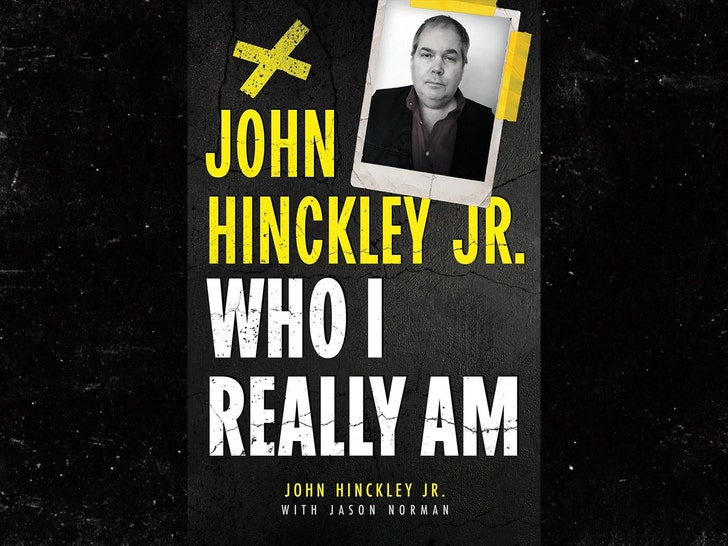
Foster’s team has not commented publicly on his latest remarks. But the fact that Hinckley is once again centering himself in her life story is… a choice.
The Take
I’m just going to say the quiet part out loud: the idea that a man can ‘turn’ a woman gay, even by traumatizing her, is both scientifically wrong and deeply insulting – to Jodie Foster, to queer women in general, and to anyone who has lived through violence.
Sexual orientation is not a personality switch a guy flips with bad behavior. Every major medical and psychological organization has been clear for years: being gay is not caused by a single event, a failed relationship, or a dramatic news story. That old myth is the stuff of outdated talk shows, not reality.
What Hinckley is really doing here feels less like insight and more like ego. Even in a story where he tried to kill a president, he still manages to cast himself as the main character in Jodie Foster’s private life. It’s the same entitlement that fueled the obsession in the first place – just repackaged as a memoir talking point.
Let’s also remember: Foster has been extremely private about her personal life for decades. When she did speak publicly in 2013, she framed her sexuality and her relationships on her terms, with humor and control. To swoop in 13 years later and imply, essentially, ‘You are who you are because of what I did to you’ is a twisted kind of victory lap.
It’s like someone rear-ending your car in 1981 and then, forty years later, proudly taking credit for the fact that you now prefer public transit. The logic just does not hold – and the self-importance is off the charts.
There’s also a bigger question here about why we keep handing the microphone to men whose worst actions already shaped history. Reagan was nearly killed. Several others were gravely wounded. Foster was turned into a symbol in a story she never volunteered for. Yet the narrative still bends toward what he thinks all of that meant for him.
Hinckley is legally free, and he’s allowed to write a book and give interviews. But we don’t have to accept every theory he floats as interesting, or insightful, or even worth more than a raised eyebrow. Some takes are just narcissism with better lighting.
Receipts
Confirmed
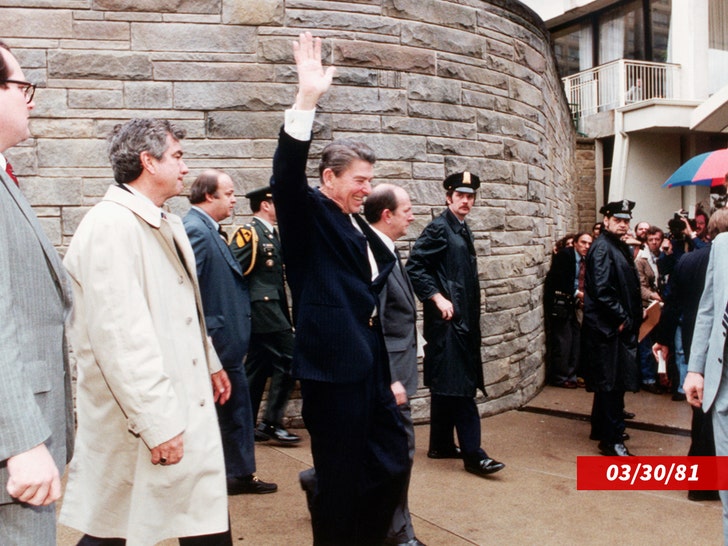
- On March 30, 1981, John Hinckley Jr. shot at President Ronald Reagan outside the Washington Hilton, wounding Reagan and three others. He was later found not guilty by reason of insanity in federal court and spent more than three decades in a psychiatric facility, according to contemporaneous court records and official statements.
- Hinckley’s fixation on Jodie Foster and the film Taxi Driver – where she played a child prostitute opposite Robert De Niro – was discussed extensively during his trial, including letters he wrote to Foster while she was a student at Yale.
- In a new on-the-record interview published January 15, 2026, Hinckley promotes his memoir, John Hinckley Jr.: Who I Really Am, and states that he believes his actions in 1981 contributed to Foster becoming a lesbian.
- Jodie Foster referenced her long-term female partner at the 2013 Golden Globes, widely understood as her public coming-out moment, as documented in broadcast footage and award-show transcripts from that night.
- Representatives for Foster declined to comment on Hinckley’s recent claims when asked for response in that same 2026 interview.
Unverified (and highly dubious)
- Hinckley’s personal theory that his 1981 crime ‘turned’ Jodie Foster gay. There is no evidence for this, and Foster herself has never said anything of the sort.
- Any specific claims about Foster’s dating history or inner emotional life beyond what she has chosen to share publicly.
Sources (human-readable): 1981-1982 federal court records and coverage of the Reagan shooting and Hinckley’s insanity verdict; broadcast footage and transcripts of Jodie Foster’s 2013 Golden Globes speech; a January 15, 2026 video interview in which Hinckley promotes his memoir and discusses his theory about Foster.
Backstory (For Casual Readers)
If you only remember this saga in broad strokes, here’s the quick rewind. Jodie Foster was a former child star who stunned everyone with her performance in 1976’s Taxi Driver, playing a 12-year-old sex worker opposite Robert De Niro. A young John Hinckley Jr. became obsessed with both the movie and Foster herself.
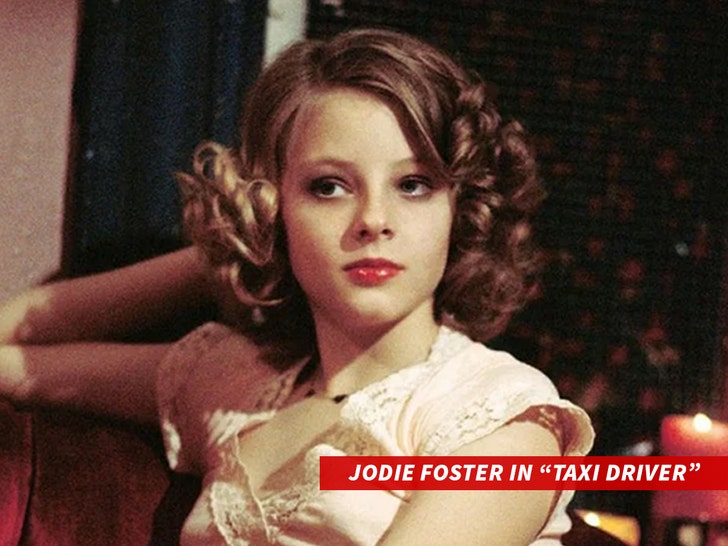
By the late 1970s and early 1980s, he was writing her letters and reportedly hanging around Yale’s campus, convinced he had a special connection to her. In 1981, he attempted to assassinate President Reagan partly as a deranged effort to impress Foster, mirroring the violent fantasy of the film. He was found not guilty by reason of insanity and confined to a psychiatric hospital for decades before being gradually released under strict conditions starting in the mid-2010s.
Foster, meanwhile, built one of Hollywood’s most respected careers, won two Oscars, directed, raised a family and, when she was good and ready, chose her own moment to publicly nod to her sexuality – on live television in 2013, with her characteristic mix of warmth and privacy.
What’s Next
Hinckley is clearly positioning his memoir as his big chance to retell his story – including his obsession with Jodie Foster – from his own point of view. Expect more headlines as excerpts circulate, and more debate about how much space we give to people whose most famous acts did lasting harm.
For Foster, the likeliest outcome is exactly what we’ve seen so far: silence. She has never built her public identity around being Hinckley’s fixation, and there is no reason to believe she’ll start now.
The rest of us, though, do get a say. We can acknowledge the historical facts, respect the victims and survivors, and still choose not to elevate a baseless theory about a woman’s sexuality – especially when it comes from the man who already stole so much of her privacy in the first place.
So where do you land: should the media and readers simply stop giving John Hinckley Jr.’s personal theories oxygen, or do you think hearing from him is a necessary part of revisiting this chapter of history?

























Comments