

The Moment
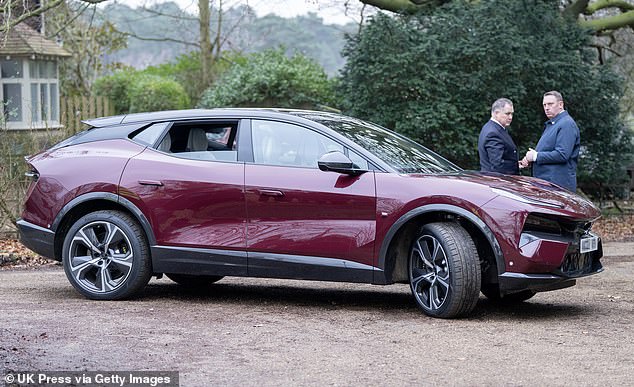
King Charles didn’t just turn up at Sunday church in Sandringham. He rolled in like a very polite Bond villain in a brand-new, all-electric, 160,000 Lotus Eletre “hyper-SUV” – and then cracked a fart joke.
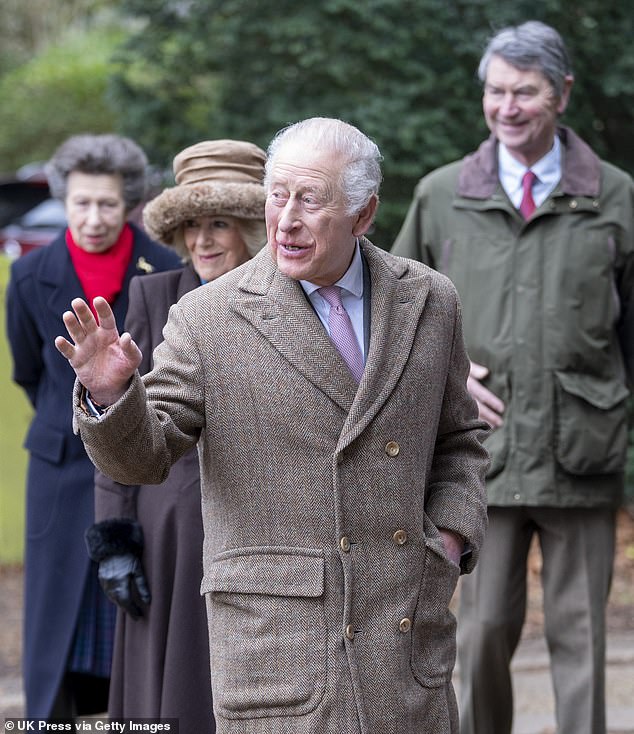
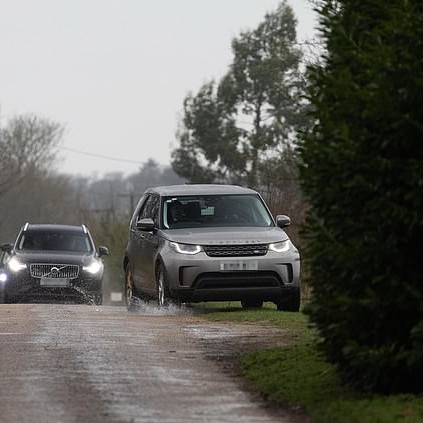
According to a UK report published on January 25, 2026, the 77-year-old monarch and Queen Camilla were driven to St Peter’s Church in a deep Royal Claret Eletre, the same shade the working royal cars usually wear. Smiling and chatting with onlookers, Charles reportedly described his new ride as “silent but deadly.” Subtle? Not remotely. On brand? Absolutely.
The Eletre, per Lotus’ published specs, offers around a 280-mile range on a single charge and can go from 0-62 mph in under three seconds – which feels slightly overqualified for puttering around the Sandringham estate, where the car is reported to be his new everyday run-around.

This isn’t Charles’ first dance with battery power. He’s had an electric Jaguar I-Pace in the past, has reportedly added electric BMWs to his private fleet, and has installed charging points at royal residences. Now he’s gone full “eco status symbol” with an ultra-luxury SUV that just happens to cost more than many British homes outside London.
The Take
I’ll say it: this is peak King Charles – a mash-up of dad humor, genuine environmental concern, and eye-watering privilege on four very expensive wheels.
On one hand, he’s been talking about the environment since the 1970s, back when people thought “climate change” meant packing a sweater. This is not a late-in-life rebrand. Converting his beloved Aston Martin DB6 to run on bioethanol (which he once joked was made from “wine and cheese”) and now switching into high-end EVs is very much in character.
On the other hand, a 160,000 electric hyper-SUV is not exactly the people’s hatchback. It’s like fighting food waste by only eating at Michelin-star restaurants – technically aligned with the cause, but not exactly relatable to anyone watching their energy bills.
The “silent but deadly” quip almost underlines the whole contradiction. Electric vehicles are indeed quiet; the carbon footprint of building a massive luxury SUV, shipping it, and keeping a royal fleet humming is… less quiet. The King’s choice sends a powerful signal that EVs are modern, desirable, and normal at the very top of British life. But that signal arrives wrapped in leather seats, bespoke paint, and a price tag the average fan outside that church will never touch.
Still, if you’re going to have a monarch – a job that comes with motorcades baked in – is it better that the cars sip biofuel and electrons instead of guzzling petrol? Probably. Symbolism is literally the royal family’s main export. Every outfit, balcony wave, and now, every car, is one long Instagram Story for the institution’s survival.
To me, this Lotus moment is less “hypocrisy” and more “royal green theater.” The palace seems to be trying to keep three balls in the air at once: tradition (classic Rolls-Royces and Bentleys), modern tech (EVs and biofuels), and Charles’ life-long eco brand. The Eletre just makes that juggling act very obvious – and very shiny.
Receipts
Confirmed:
King Charles lll and Queen Camilla seen for the first time in their new electric £160,000 Lotus Eletre sportscar as they attend Mattins at St Peter’s church near Sandringham, as he jokes new car is ‘silent but deadly’. #royal #royals #king #camilla #queen #sandringham #lotus pic.twitter.com/1DHYh9unOS
— Mark Cuthbert (@markacuthbert) January 25, 2026
- King Charles and Queen Camilla were driven to Sunday church at Sandringham in a new Royal Claret Lotus Eletre, as described in a UK news report dated January 25, 2026.
- The King joked to gathered well-wishers that the electric car was “silent but deadly,” according to eyewitness descriptions in that same report.
- The Lotus Eletre is an all-electric SUV with a claimed range of about 280 miles and 0-62 mph acceleration under three seconds, per official Lotus model specifications published in 2023.
- Charles has previously used an all-electric Jaguar I-Pace and has had electric charging points installed at royal residences, as detailed in prior royal household briefings and public reports.
- His classic Aston Martin DB6 was converted to run on bioethanol in the late 2000s, a detail Charles himself has discussed in past interviews.
- In 2024, the Keeper of the Privy Purse, Sir Michael Stevens, stated that state Bentleys were expected to be adapted to run on biofuels, with an eye toward a more electric future for the wider royal fleet.
Unverified / Reported, Not Officially Detailed:
- That the new Lotus Eletre is the King’s regular “run-around” vehicle specifically for the Sandringham estate is reported in the January 2026 coverage but not confirmed in an official palace statement.
- The precise size and composition of Charles’ full current car collection – especially older Rolls-Royces and other classics – is based on long-running press reporting and has not been recently itemized by the palace.
Sources: January 25, 2026 UK news report on King Charles’ new electric Lotus; official Lotus Cars Eletre model specifications (2023); prior public comments and briefings from the Royal Household and Sir Michael Stevens regarding royal vehicles and fuel use.
Backstory (For Casual Readers)
For anyone not keeping a spreadsheet of royal motor history, a quick refresher: King Charles III, who took the throne in 2022, has been talking about conservation and climate issues since long before it was fashionable. He’s planted trees, given speeches about pollution, and pushed organic farming at his estates for decades.
His car choices have followed that path. The King has a well-known love for classic British makes – Aston Martins, Rolls-Royces, big ceremonial Bentleys – but in recent years he’s tried to square that passion with cleaner tech. The best-known example is his Aston Martin DB6 MkII Volante, a 21st-birthday gift from Queen Elizabeth II, which was converted to run on bioethanol fuel. He once joked it was powered by “surplus English white wine and whey from cheese” (the reality is a more standard plant-based fuel).
More recently, the royal garage has seen electric models rolled in, including the Jaguar I-Pace and new BMW EVs, plus charging points quietly added at key palaces. Behind the scenes, officials have talked about moving even the big ceremonial state cars toward biofuels or eventually full electric drivetrains. The Lotus Eletre, then, is not a random splurge – it’s another chapter in a long, sometimes awkward story of a very traditional institution trying to go green without giving up the trappings of monarchy.
What’s Next
The timing of this Lotus debut isn’t accidental. Britain’s car industry is under heavy pressure from government rules pushing manufacturers toward electric vehicles, with financial penalties for missing targets. Whether you love or loathe the monarchy, having the King show up in a flashy EV is a pretty strong endorsement that “this is where things are going.”
Expect a few next steps to watch:
- More electric royals: If this Eletre plays well in the press, don’t be surprised to see more of the family stepping out of electric SUVs and sedans at public events.
- State car upgrades: We’ll likely hear more about the conversion of those famous state Bentleys to biofuels, and eventually whether the monarchy will commit to fully electric state vehicles.
- Public mood check: The real test is how this looks to the public. Do people see an elderly king quietly putting his money where his environmental mouth has been for decades? Or do they see a man in a crown virtue-signaling from the front seat of a six-figure SUV?
In practice, it’s probably a bit of both. Charles isn’t going to be zipping around in a secondhand Nissan Leaf any time soon, but within the extremely sheltered world he lives in, he does appear to be nudging the royal machine – literally – in a greener direction.
Your turn: When you see King Charles in a 160,000 electric Lotus, does it read to you as genuine climate leadership, harmless royal theater, or just very expensive greenwashing?





































































Comments