

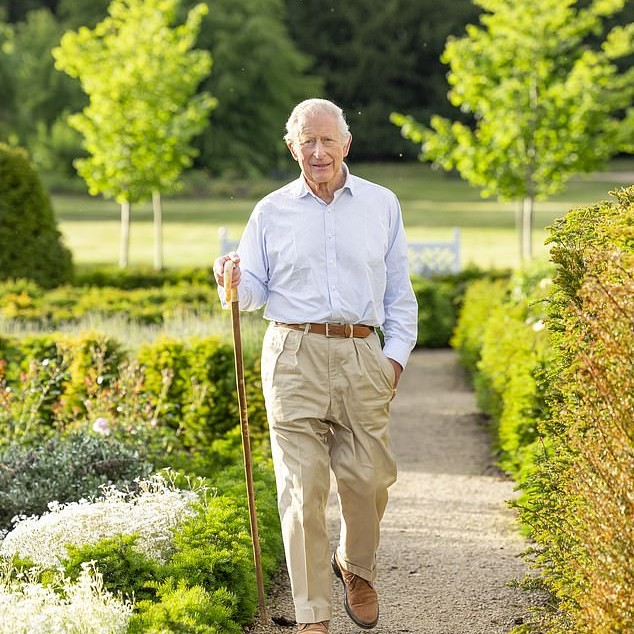
Forget silver platters of swan; King Charles is basically that meticulous organic uncle who travels with his own breakfast kit.
If you picture the King sinking into velvet thrones with a mountain of pastries, adjust the mental image. His daily menu is more muesli, asparagus, and half an avocado than multi-course feasts.
And the way he eats now – at 77, post-cancer diagnosis and still working late – says plenty about power, aging, and how much we all cling to our food rituals once we find what works.
The Moment
A former royal butler, Grant Harrold, who worked for Charles from 2004 to 2011, recently laid out what the monarch actually eats in a typical day, in interviews with a UK tabloid that dug into his routine. His portrait is surprisingly spartan.
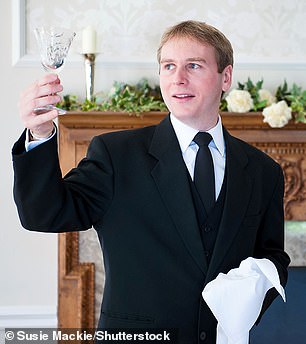
According to Harrold, Charles almost never skips breakfast. We’re talking freshly baked bread, cereals and muesli, plus home-grown produce – eggs, plums, asparagus – all from the gardens of Highgrove, his Gloucestershire estate. Food site Tasting Table has also reported on his now-famous “breakfast box,” a traveling hamper stocked with his preferred cereals and condiments so the morning ritual never changes, no matter the palace or hotel.
The hot choices lean toward classic French country house: Eggs Argenteuil (eggs with asparagus) or cheesy baked eggs. Clarence House previously shared that cheesy egg recipe on royal channels – eggs, cream, spinach, and two British cheeses, Tunworth and Old Winchester. When he’s not in the mood for all that, he’ll go with a simple four-minute boiled egg and a pot of Darjeeling tea with milk instead of coffee.
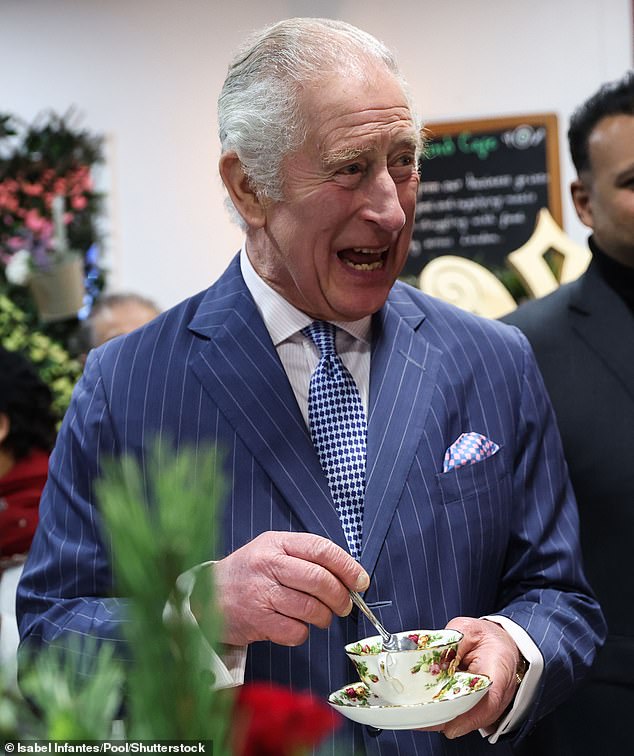
Here’s where it gets quirky. Harrold says Charles has long been known to skip lunch altogether, usually because his schedule is jammed, then sit down to dinner around 9-10 p.m. Registered nutritionist Rob Hobson, speaking to the same outlet, called that pattern less than ideal: concentrating nutrition into fewer meals can work for some, but late-night eating isn’t great for digestion or sleep, especially as you get older.
Recently, though, there’s been a small but telling tweak. A Sunday paper in 2024 reported that, after Buckingham Palace announced he was undergoing treatment for a form of cancer in February 2024 – a disclosure widely covered by the BBC and other major news outlets – Charles started having half an avocado in the middle of the day for extra energy. Avocados are rich in monounsaturated fats, fiber, potassium, and vitamins K, E, and C, so if you’re only going to add one thing, that’s not a bad pick.
His stepson, Tom Parker Bowles, a food writer, told Saga Magazine that both he and his mother (Queen Camilla) now go easy on red meat and that “the King, after what he’s been through recently, is looking again at what – and when – he eats.” Even before the diagnosis, Charles told the BBC in 2021 he tried to keep at least two meat-free days a week for environmental reasons and one dairy-free day on top of that.
That doesn’t mean he’s anti-meat. In a 2018 guest-edited issue of Country Life, Charles called pheasant pie his favorite meal and happily described inventing game-based spin-offs like Coq au Vin with grouse and a grouse moussaka he nicknamed “Groussaka.” The common thread is clear: he eats what’s in season, leans hard on the kitchen gardens and estates he’s spent decades cultivating, and increasingly treats red meat as an occasional luxury rather than a daily habit.
The Take
This is not a man gorging on endless banquets; this is a man doing accidental intermittent fasting with very good tableware.
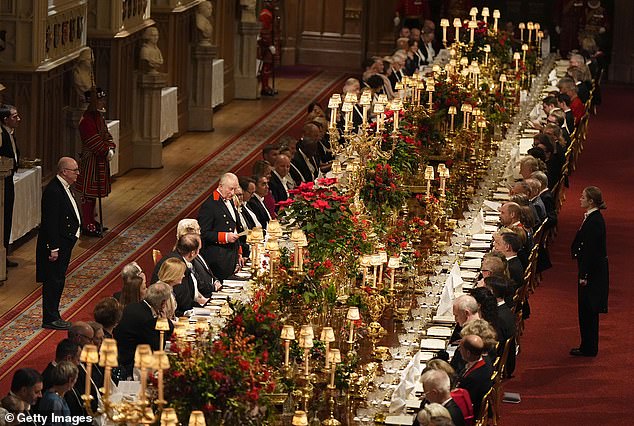
Strip away the titles and the tiaras, and Charles’s routine looks a lot like what many doctors quietly recommend to their over-60 patients – with a few caveats. He’s heavy on vegetables, whole grains, and eggs, lighter on red meat, and choosy about quality. That’s great. But skipping lunch and eating a full dinner at 10 p.m.? For someone in their late seventies, that’s more “royal scheduling nightmare” than wellness trend.
Hobson’s point about concentrating your calories into fewer meals matters more the older you get. Blood sugar, energy dips, sleep quality – they all get touchier with age. Charles isn’t doing a trendy 16:8 fast; he’s doing what powerful people have always done: fitting food around work, not the other way around. The avocado feels less like a superfood and more like a diplomatic compromise between his doctors and his diary.
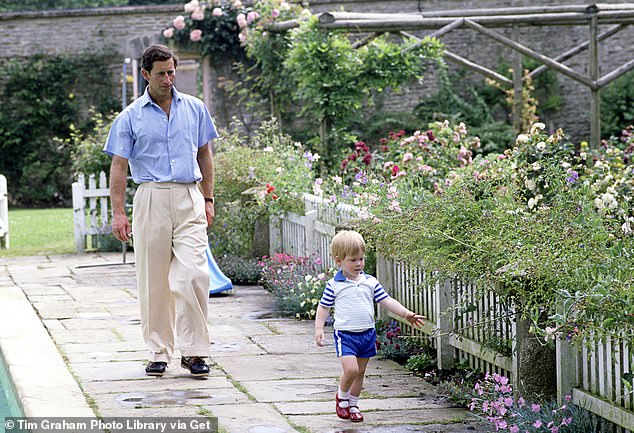
What’s fascinating is how clearly his values show up on the plate. He’s been banging the drum for organic farming and environmental sustainability for decades, long before it was cool. Two meat-free days a week and careful sourcing of what meat he does eat fit that worldview perfectly. His gardens at Highgrove and Sandringham are basically the original farm-to-table restaurants, just with better landscaping.
And then there’s the comfort of routine. That famous “breakfast box” he travels with? That’s not diva behavior; that’s a 77-year-old man hanging on to the one part of his day that never changes. Most of us do this with our favorite mug and brand of cereal. He happens to do it with monogrammed hampers and Darjeeling.
Underneath the crown, this is classic aging-parent energy: the same breakfast, slightly healthier choices, and tiny tweaks when health scares force the issue.
The real story isn’t that his diet is perfect – it isn’t. It’s that even the King, with chefs, gardens, and nutritionists on speed dial, is still juggling work, health, and habit exactly the way everyone else does. The only real difference? His late-night “meat and two veg” happens to be served in a palace.
Receipts
Confirmed
- Grant Harrold, who served as Charles’s butler from 2004-2011, has publicly said the King consistently eats breakfast, often skips lunch, and usually dines around 9-10 p.m., in interviews with UK media.
- Registered nutritionist Rob Hobson has commented on this pattern, noting that skipping lunch concentrates nutritional intake into fewer meals and that late-night dinners are not ideal for digestion or sleep.
- Clarence House previously shared a recipe for the King’s cheesy baked eggs, listing eggs, cream, spinach, Tunworth, and Old Winchester cheeses as ingredients, confirming his fondness for that dish.
- A 2021 BBC interview with then-Prince Charles quoted him saying he tries to have two meat-free days per week, partly to reduce environmental impact.
- In February 2024, Buckingham Palace publicly announced that King Charles was undergoing treatment for a form of cancer, a statement widely reported by outlets including the BBC and major wire services.
- Food writer Tom Parker Bowles told Saga Magazine that the King has been rethinking what and when he eats since that diagnosis, and that they both go easy on red meat.
- In 2018, while guest-editing Country Life, Charles named pheasant pie as a favorite and described experimenting with grouse-based recipes like Coq au Vin with grouse and “Groussaka.”
Reported / Unverified Details (But Plausible)
- A UK Sunday paper reported that Charles now eats half an avocado at midday to boost energy during treatment; this has not been formally confirmed by the Palace.
- Specifics about exactly how often he skips lunch or what time he eats dinner likely vary day to day, depending on engagements.
Backstory (For the Casual Reader)
King Charles III, now 77, became monarch in 2022 at age 73 after the death of his mother, Queen Elizabeth II, who reigned into her nineties. Longevity runs in the family: his father, Prince Philip, died at 99, and his grandmother, the Queen Mother, reached 101. Charles has spent decades cultivating organic farms and gardens at Highgrove and Sandringham, long positioning himself as a green-minded country gentleman in a crown. In February 2024, the Palace announced he was being treated for a form of cancer, even as he continued many of his duties. Against that backdrop, his vegetable-heavy breakfasts, seasonal game dinners, reduced red meat, and small health-driven tweaks – like that midday avocado – look less like quirk and more like strategy: a working king trying to stay on his feet, one carefully planned meal at a time.
If you had his resources, would you stick to a relatively simple, garden-driven routine like Charles – or lean all the way into royal-level indulgence?


















































Comments