

The Moment
For a split second, everyone thought Miss Great Britain had just lived every pageant girl’s nightmare.
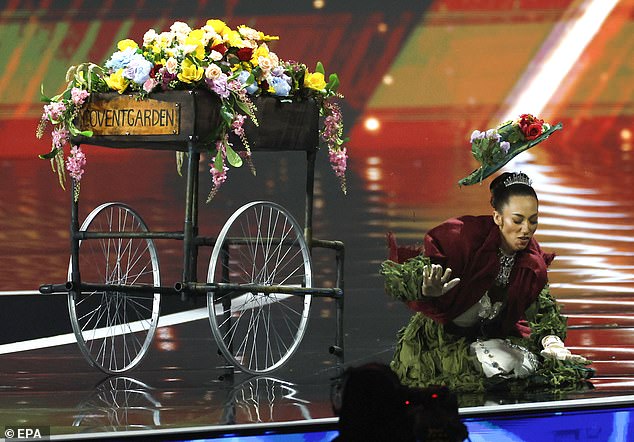
During the Miss Universe 2025 national costume competition in Thailand, Danielle Latimer, representing Great Britain, walked onto the stage in a dramatic look inspired by Eliza Doolittle from the 1964 film My Fair Lady. Think: elegant coat, hat, and a bouquet of flowers, straight out of the Ascot race scene.
As she stepped forward and handed out the bouquet, she suddenly went down-hard. Full faceplant on the Miss Universe stage, in front of a packed arena at the Impact Challenger hall in Nonthaburi and cameras streaming around the world.
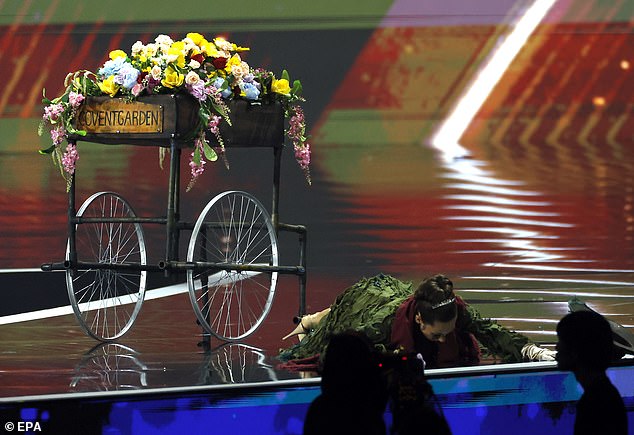
The crowd gasped, viewers online freaked out, and you could almost hear the collective “oh nooo” from anyone who’s ever worn heels on a staircase.
But within seconds, Latimer popped back up, brushed herself off, and shrugged off her coat to reveal a sparkling ball gown underneath. The stumble turned into a full-on transformation reveal.

Later, speaking to followers on Instagram, she admitted it was all on purpose: the dramatic fall was choreographed to mirror Eliza Doolittle’s journey from “rags to riches” and her own upbringing in a poverty-stricken part of London’s East End.
“I can’t believe I just did that,” she told her followers, adding that she hoped she’d end up in the press precisely for that on-stage “fall.”
So no, she didn’t wipe out by accident. She staged it-and nailed the landing.
The Take
I’ll be honest: I kind of love that she weaponized the internet’s clumsiest nightmare.
In a world where one misstep can become a meme for life, Latimer flipped the script. She took the most embarrassing thing that could happen on a pageant stage and turned it into symbolism, storytelling, and a viral moment she actually controlled.
It’s like watching someone intentionally spill red wine on a white couch, then reveal it’s stain-proof and they’re selling the fabric. Chaos, but make it marketing.
And the story under the stunt is real. Latimer has talked about growing up in one of the most poverty-stricken parts of London in the 1980s and seeing herself in Eliza Doolittle’s transformation from working-class flower seller to polished society woman. Using the national costume segment to literally “fall” out of one life and rise into another? Corny to some, sure, but it’s at least creative.
Where it gets more complicated is how this all sits inside a pageant that’s already under a microscope.
The same Miss Universe cycle has also seen another contestant-Miss Israel, known simply as Shiraz in coverage-facing a wave of vicious online antisemitism after a clip appeared to show her giving Miss Palestine a side-eye. Shiraz has said the viral clip was edited by a third party to mislead people and that she’s been flooded with hate messages and even threats because of it.
So under the bright lights and glitter, we’re watching two sides of the modern pageant reality:
- One woman cleverly scripting her own viral moment.
- Another woman being dragged by a viral clip she says was twisted out of context.
That’s the era we live in: the stage is almost secondary. The real contest is how your image survives once TikTok, Instagram, and edit-happy strangers get their hands on it.
The takeaway? Latimer’s fall shows how savvy contestants can be about spectacle. Shiraz’s experience is a brutal reminder that clicks and edits can spill into real-world harassment, especially when politics, identity, and global tensions crash directly into a beauty pageant.
Receipts
Confirmed
- Danielle Latimer, Miss Great Britain at Miss Universe 2025, deliberately choreographed her on-stage fall during the national costume competition in Thailand. She explained this in Instagram posts and stories shortly after the event, saying it symbolized Eliza Doolittle’s rise from “rags to riches” and her own background in London’s East End.
- Official Miss Universe competition footage from the national costume show in Nonthaburi shows Latimer entering in an Eliza Doolittle-inspired look, falling, then standing and revealing a ball gown.
- The Miss Universe 2025 pageant is the 73rd edition of the competition and is being held in Thailand.
- Miss Israel contestant Shiraz has publicly stated that a viral video in which she appears to give Miss Palestine a dirty look was edited by a third party and misleads viewers. In a published interview with a New York-based newspaper, she described receiving a flood of antisemitic abuse and threats after the clip spread.
- Shiraz has posted on Instagram condemning the hate she says she’s received, stressing that the pageant is meant to empower women and criticizing the sharing of misleading content and silence from others while she is attacked.
Unverified / Contestable
- The exact origin and editing history of the “side-eye” clip involving Miss Israel and Miss Palestine has not been independently detailed by the pageant or a neutral technical review. Shiraz maintains it was manipulated; that specific claim has not yet been publicly confirmed by the organization.
Sources: Miss Universe 2025 national costume show video (Thailand, Nov. 2025); Danielle Latimer’s Instagram posts and stories (Nov. 19, 2025); public statements from Miss Israel contestant Shiraz on Instagram (Nov. 2025); interview with Shiraz in a New York-based newspaper (Nov. 2025).
Backstory (For Casual Readers)
If you haven’t checked in with Miss Universe since the days of big hair and Vaseline on teeth, here’s the quick catch-up.
Miss Universe is one of the world’s longest-running beauty pageants, now in its 73rd year. Contestants from dozens of countries compete in multiple rounds: national costume, swimsuit or activewear, evening gown, and interviews. The national costume show is where things get theatrical-huge wings, historical references, cultural symbolism, and, occasionally, viral chaos.
Over the last decade, the pageant has tried to rebrand from simple “beauty contest” to empowerment platform, pushing education, advocacy, and social causes. At the same time, social media has turned every facial expression into a potential scandal and every stumble into a meme.
So a staged fall from Miss Great Britain and an edited clip controversy around Miss Israel are not just random blips; they’re part of this new, hyper-scrutinized, hyper-online version of pageant culture.
What’s Next
For Danielle Latimer, the “fall” seems to have worked exactly as planned. She got people talking, she tied it to a personal narrative, and importantly, she walked away uninjured. The question now is whether pageant directors will embrace more staged theatrics-or start quietly banning anything that could look like a real accident.
For Shiraz, the situation is far more serious. She’s said she’s had to increase her security in response to threats and relentless antisemitic abuse. Pageants love to market themselves as safe spaces for global sisterhood; how Miss Universe’s leadership responds to contestants being targeted online will say a lot about whether that’s real or just brochure copy.
Expect more statements, more social posts, and possibly tighter rules about what backstage and audience videos can be shared-or edited-by third parties during the competition.
And for viewers, this year is a reminder: not every shocking moment is what it looks like at first glance. Sometimes the fall is scripted. Sometimes the dirty look isn’t what really happened. In the age of viral everything, context isn’t just important-it’s the whole show.
So, where do you land: are you into bold, theatrical stunts like Latimer’s, or do you think pageants should tone down the drama given how easily things can be twisted online?















































Comments