

The Moment
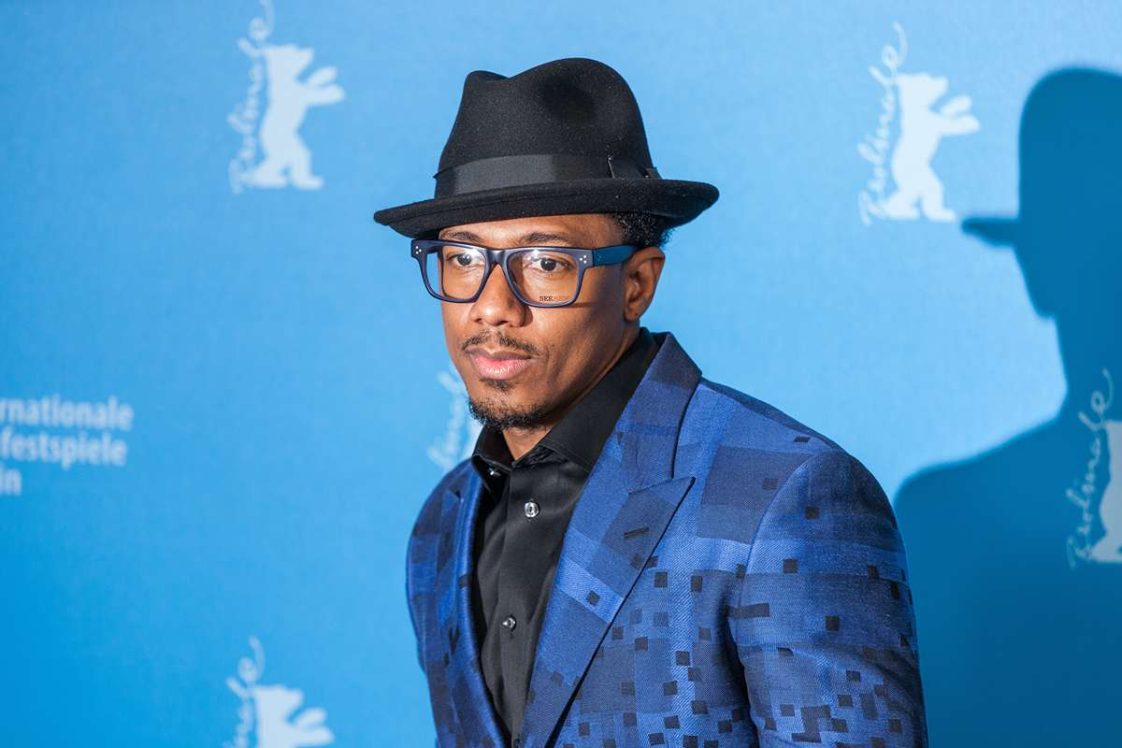
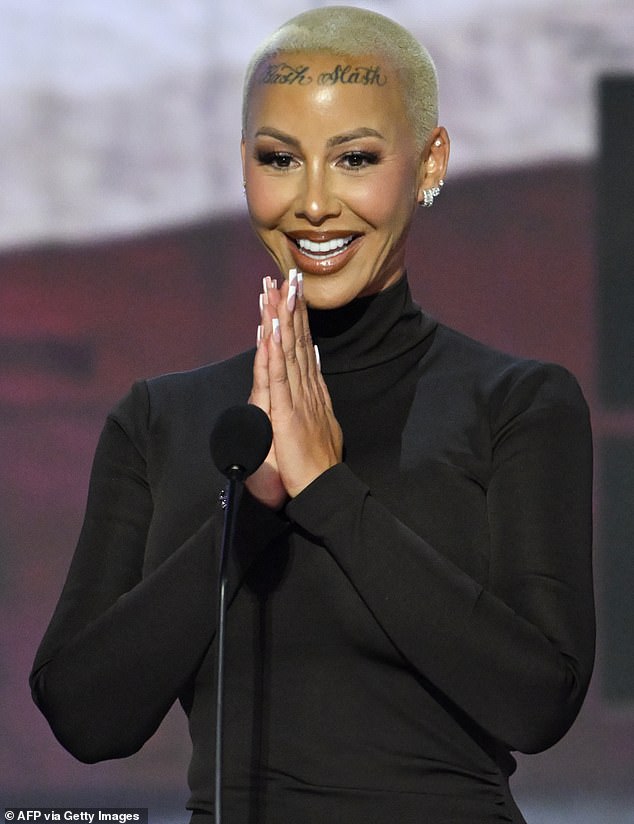
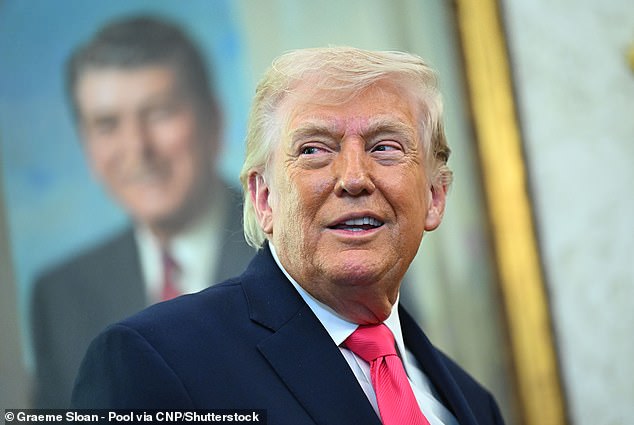
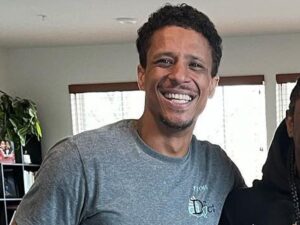
Nick Cannon and Amber Rose are lighting up timelines again, this time for politics, not parties. A new clip circulating online appears to show Cannon calling Democrats the “party of the KKK,” praising Republicans for “freeing the slaves,” and saying he “f***s with Trump” while chatting with Rose on his web series, reportedly Big Drive.
The short video, which is edited and bleeped, ricocheted across social feeds over the weekend. In the clip, Cannon also references W.E.B. Du Bois’ famed “one evil party with two names” line to explain why he doesn’t align with either party. Rose, who’s been publicly conservative-curious lately, nods along and argues Republicans care more about people of color than Democrats do.
Key point: We’ve seen the viral excerpt. We’re still looking for the full, unedited episode and any official transcript to confirm exact wording and context.
The Take
I get the appeal: hot take, big names, bigger reactions. But let’s separate sizzle from steak. Calling Democrats “the party of the KKK” is a history bite without the full meal. Yes, in the late 19th and early 20th centuries, the Klan operated in the Democratic-dominated Jim Crow South. Then the parties realigned across the mid-20th century, especially after civil rights legislation, a migration political historians have documented for decades.
So when today’s celebs toss around century-old labels like they’re new, it’s a little like judging your current favorite band by what the drummer’s great-grandfather played in 1910. It’s not that the past doesn’t matter. It’s that context matters more.
As for Cannon’s “I don’t pick parties” stance, that part tracks. He’s long positioned himself as an independent operator who relishes controversy, then reframes it as a conversation starter. Rose, who built a brand on personal agency from SlutWalks to social media, has similarly leaned into challenging her own audience’s expectations. The convergence makes sense. The message? Messier. If you’re going to swing at America’s political history on-camera, bring the footnotes.
Receipts
Confirmed:
- W.E.B. Du Bois did write about “one evil party with two names” when explaining why he wouldn’t vote in 1956 (published in The Nation, Oct. 20, 1956).
- U.S. party realignment on race and the South is well-documented by mainstream historians, including the GOP’s so-called “Southern strategy” era (see Encyclopaedia Britannica entry, accessed Mar. 30, 2026).
- Nick Cannon has previously waded into charged cultural topics; in 2020, he apologized publicly for offensive remarks on his podcast (Cannon’s statement, July 15, 2020).
Unverified/Reported:
- The exact wording and full context of Cannon’s remarks about Democrats/KKK and “I f*** with Trump” come from a circulating, edited clip attributed to his web series with Amber Rose. We have not yet reviewed the full, uncut episode at the time of publication.
- Any claims about how network employers or partners are responding are speculative at this time; no official statements have been located as of publication.
Backstory (for Casual Readers)
Nick Cannon, 45, is a TV mainstay best known for Wild ‘N Out and hosting The Masked Singer. He’s also no stranger to backlash-and-repair cycles; in 2020, he apologized for harmful comments on his podcast. Amber Rose, 42, model, entrepreneur, and early SlutWalk organizer, first became widely known during her relationship with Kanye West, then carved her own lane as a blunt, self-directed public figure. In recent years, she’s signaled support for conservative causes and figures, surprising some longtime fans.
What’s Next
We’re watching for the full, unedited episode to be posted on Cannon’s official channels, or for a statement from either Cannon or Rose clarifying the context. If the longer cut softens or sharpens the quotes, that will matter, not just for headlines, but for how audiences read their political positioning going into the next news cycle.
Bottom line: Until the full video lands, treat the viral bite as a teaser, not the whole plot.
Do celebrity politics change your view of their work, or do you keep art and advocacy in separate lanes?
























Comments