

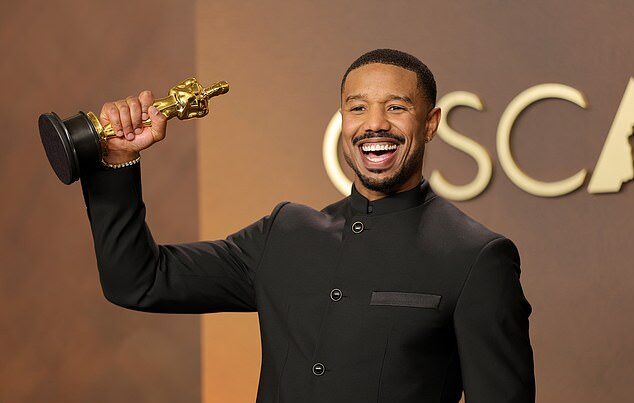
Hollywood’s biggest night is still dressing like 1998 while its audience lives on fast-forward.
The Oscars are staring down another ratings dip, and the whispers inside the Academy sound less like prestige and more like panic. Reported numbers put viewership under 18 million, down roughly nine percent year over year. The uncomfortable truth: appointment TV is dying, and a three-hour industry banquet isn’t built for the algorithm era.
Insiders are reportedly floating a future where the Oscars live less as a broadcast and more as a stream of turbocharged clips. If that’s the plan, it’s not blasphemy, it’s triage.
The Moment
This week’s chatter centers on a reported audience tally of about 17.86 million for the telecast on ABC and its streaming companion, which would mark a year-over-year drop in the high single digits. Industry sources quoted in recent coverage describe real anxiety within the Academy about the show’s future.
The broadcast itself apparently ran clean, no major on-stage disasters, a polished host, a few big legacy moments, and still, viewers didn’t linger. That’s the headline: you can execute the script and still lose the room if the room moves to another platform.
One notable claim making the rounds: a potential multi-year, platform-first deal that would shift the show to YouTube starting in 2029, reframing the night around viral moments with acceptance speeches clipped to under a minute and the algorithm doing the heavy lifting after the fact. None of that is officially confirmed, but the logic tracks the modern media playbook.
The Take
The Oscars don’t have a movie problem so much as a monoculture problem. In 1998, we all knew Titanic, saw it twice, and tuned in to see if Leo would finally get something shiny. Today, even smash hits are split along platform lines, release windows, and personal queues. We’re united by convenience, not consensus.
Three-plus hours of inside baseball in an era of 30-second dopamine hits is a tough sell. Viewers no longer need the whole feast; they want the best bites. That’s not cynicism, that’s consumption. Sports still command massive live audiences because the outcome is unknown and social in real time. Awards shows reveal half the winners on social before you find the remote.

The Oscars were built for 1998; the audience lives in 2026.
If the reported YouTube pivot materializes, consider it an evolution, not a surrender. The broadcast becomes the studio taping; the real show happens in the clips, tight, captioned, instantly shareable, optimized for second screens and Monday-morning office chat. Prestige doesn’t die in that model; it travels faster.
Will purists balk? Of course. But prestige has always been presentation plus context. If the Academy curates with taste, shorter speeches that still breathe, performances filmed like mini-music videos, craft categories given cinematic spotlights instead of rushed read-offs, then a clip-first Oscars could actually honor film better. The trick is clarity: tell viewers exactly why each moment matters, then package it for the feeds without sanding off the soul.
Cost and culture are players here, too. The theatrical ritual has gotten pricey, and streaming broke the “we all saw it” spell. The solution isn’t lecturing audiences back into line; it’s meeting them where they live. Think of the modern Oscars like vinyl in a Bluetooth world: the warmth still wins, but you need the right adapter.
Receipts
Confirmed:
- The Academy of Motion Picture Arts and Sciences produces the Oscars; the U.S. telecast has been carried by ABC under a long-running agreement.
- Historical viewership for the Oscars peaked in the late 1990s, with the Titanic year surpassing 50 million viewers, per widely cited Nielsen tallies.
Unverified/Reported:
- Approximate viewership of 17.86 million and a year-over-year decline of about nine percent for this year’s show, attributed to industry reporting citing network and ratings figures.
- Unnamed insiders describing an “existential crisis” within the Academy and concern that ratings “keep plunging.”
- A proposed YouTube deal beginning in 2029, framed as a five-year exclusive worth roughly $150 million annually, claims that acceptance speeches would be capped at under a minute, and the strategy would prioritize viral clips. No official Academy confirmation as of publication.
- Production choices touted to lure younger viewers (e.g., social-first red-carpet coverage and a K-pop moment) are described in recent reporting; their net ratings impact remains unclear.
Backstory (for the Casual Reader)
The Academy Awards, launched in 1929, are Hollywood’s most-watched and most-debated awards ceremony. In the late 1990s, they were a bona fide national event, cresting over 50 million viewers when Titanic dominated. The 2010s brought cord-cutting, streaming fragmentation, and longer telecasts that often stretched past three hours. After pandemic-era disruptions, ratings saw occasional bumps but never returned to 1990s heights. The current friction isn’t the art; it’s the delivery system. That’s why you’re hearing about shorter speeches, smarter pacing, and, if reports bear out, a wholesale pivot to a clip-first strategy that treats the live show as the seed and the internet as the garden.
If you don’t watch the Oscars live anymore, what specific change, shorter runtime, surprise performances, better film familiarity, or a pure highlights show, would actually bring you back?





































Comments