

The Moment
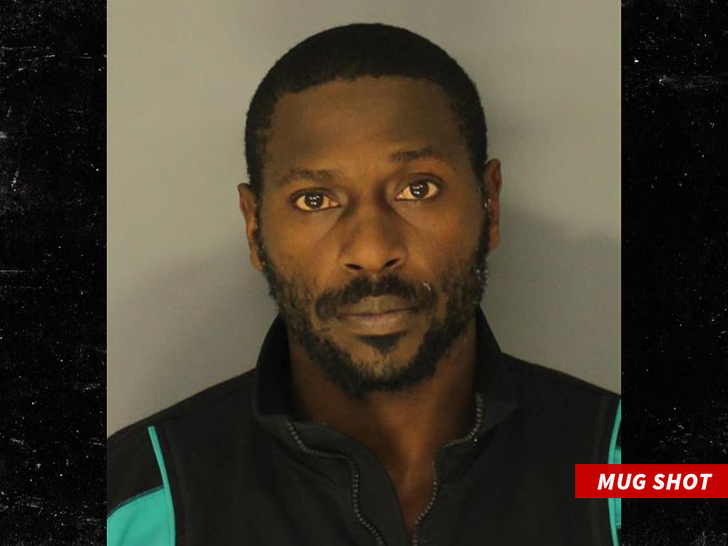
Actor Peter Greene, the unforgettable villain from The Mask and a key player in Pulp Fiction, has died at 60 after being found in his New York City home, according to a New York-based news report citing law-enforcement sources.
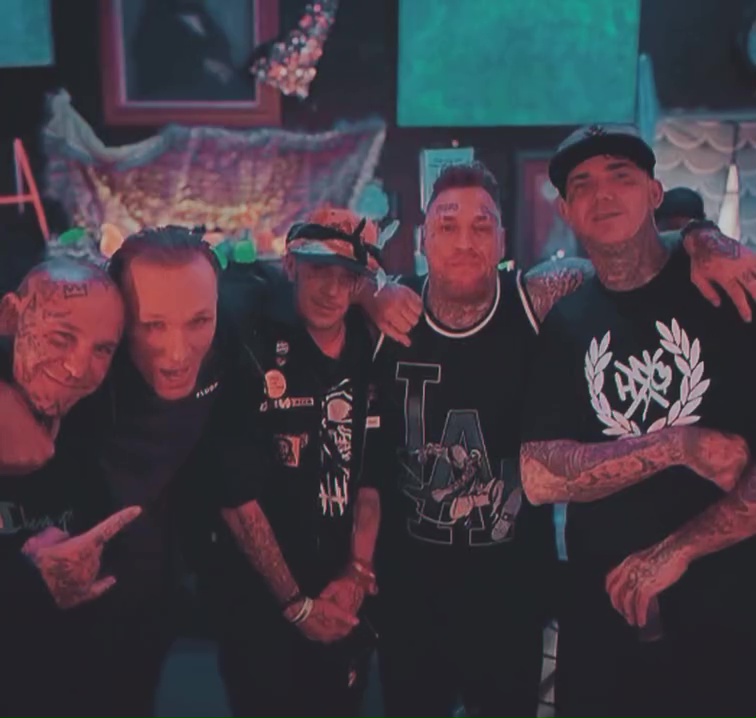
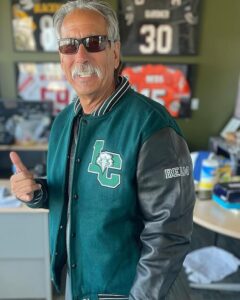
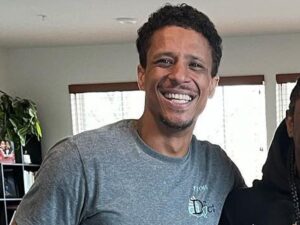
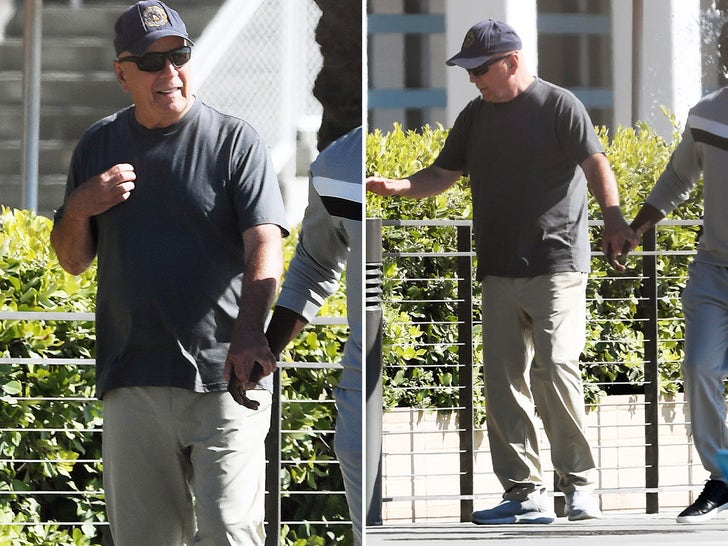
In the weeks before his death, Greene appeared in an Instagram photo posted October 25 by a musician, smiling with a group of men and looking, as headlines love to say, “happy and healthy.” The image was shared publicly, but it’s not clear when it was actually taken.
A neighbor reportedly called police for a wellness check after hearing nonstop Christmas music coming from Greene’s apartment. Officers found the actor unresponsive, and he was pronounced dead at the scene. Investigators have reportedly said there are no signs of foul play, and an autopsy is pending.
Greene’s manager and longtime friend, Gregg Edwards, told a New York newspaper that he spoke with the actor just two days earlier. He described their conversation as “totally normal,” though Greene was said to be anxious about an upcoming surgery to remove a benign tumor near his lung. That surgery was scheduled for Friday – the same day he was found dead.
Greene leaves behind a 16-year-old son, Ryder.
The Take
Every time a celebrity dies suddenly, the internet reaches for the same comfort blanket: the last happy photo. The smiling selfie. The red-carpet wave. The “he looked great!” moment that’s supposed to prove… what, exactly?
With Peter Greene, it’s that October Instagram shot of him grinning with musicians, described as “happy and healthy.” And I get why people cling to it. We want death to make sense. We want a clear before and after, a neat story we can tell ourselves about how life works.
But if anything, this story underlines the opposite: you can be smiling in a photo, sounding normal on the phone, worried about a benign medical issue – and still be gone two days later. The picture didn’t lie; it just didn’t tell the whole truth. Photos never do.
What’s jarring here isn’t that Greene looked “fine.” It’s how quickly we rush to turn a human being’s last weeks into a visual riddle we think we can solve. One minute he’s the guy from The Mask posing with friends; the next he’s a headline about nonstop Christmas music and a wellness check.
To me, this isn’t a mystery story – it’s a reminder of how much of people’s inner lives we never see. A man can be joking with his manager on Wednesday and quietly terrified of surgery on Friday. A neighbor can hear festive music and have no idea something is very wrong next door.
If Hollywood is a house of mirrors, character actors like Greene are the ones holding the glass up to everyone else. You recognize the face, but rarely ask what’s going on behind it. His death feels like that too: familiar, yet largely unknowable.
Maybe the healthier takeaway isn’t “he looked great before he died,” but: check on your people even when they seem fine, and stop assuming a single frame – especially a flattering one – is any kind of proof about someone’s health or fate.
Receipts
Confirmed (via a major New York newspaper’s reporting and a publicly available Instagram post):
- Peter Greene, 60, was found dead in his New York City home after a neighbor requested a wellness check.
- Law-enforcement sources have said there is no indication of foul play; an autopsy is pending to determine the official cause of death.
- Greene’s manager, Gregg Edwards, stated on the record that he spoke with Greene two days before his body was discovered and described the call as a normal conversation.
- Edwards said Greene was concerned about an upcoming surgery to remove what was described as a benign tumor near his lung.
- The surgery was reportedly scheduled for the same day he was found dead.
- An Instagram photo posted on October 25 by musician Tony Slippaz shows Greene smiling with a group of men; the post is public, though the exact date the photo was taken has not been confirmed.
- Greene is survived by his teenage son, Ryder, 16.
Peter Greene, best known as villain Zed in ‘Pulp Fiction,’ has died at 60 in New York City. He was working on two projects at the time of his death. https://t.co/OWw1uawGNj pic.twitter.com/HMeW5JdA8C
— FOX 17 (@FOX17) December 14, 2025
Unverified / Reported, Not Officially Confirmed:
- A neighbor has alleged that Greene’s body was found facedown and surrounded by blood. This is a single, secondhand account and not part of any official report released to the public.
- The specific medical cause of Greene’s death is currently unknown; any claims beyond “autopsy pending” are speculation.
- The exact day and circumstances under which the smiling group photo was taken have not been independently confirmed, only the date it was posted.
Sources: Reporting from a major New York newspaper and its entertainment coverage dated December 13-14, 2025; public Instagram post by @tonyslippaz dated October 25, 2025.
Backstory (For Casual Readers)
If the name doesn’t ring a bell but the face does, that’s Peter Greene in a nutshell. He was one of those intense, unforgettable character actors Hollywood leans on to make the lead look even more interesting. In 1994’s The Mask, he played the menacing gangster opposite Jim Carrey. In Pulp Fiction, he showed up in one of the film’s most disturbing sequences. Over the years he became a cult favorite in movies like Bluestreak and a steady presence in indie films and TV crime dramas.

Greene wasn’t the type splashed across every magazine cover, but he was the guy you pointed at on screen and said, “Oh, that guy.” For fans of ’90s movies especially, his death cuts a little deeper because it feels like another piece of that era quietly slipping away.
What’s Next
In the near term, the key thing to watch for is the autopsy report, which should clarify the official cause and manner of death. Until that’s public, everything else is just noise and rumor.
We may also see a formal statement from Greene’s family or representatives, especially given that he leaves behind a teenage son. Expect tributes from co-stars and filmmakers who worked with him over the years; actors of his type – intense, specific, not cookie-cutter handsome – often inspire fierce affection within the industry.
On a cultural level, this will probably spark yet another round of “he looked so good right before” think pieces. My hope? We move past the obsession with the last smiling frame and talk instead about middle-age health, quiet medical fears, and how we support people who are facing surgery or scary diagnoses – even when the word is “benign.”
Because behind every “happy and healthy” photo is a person whose story is bigger than a single snapshot, and whose last days deserve more than a freeze-frame mystery.
How do you feel when outlets spotlight someone’s “last happy photo” after they die – comforting tribute, or does it cross a line?






























Comments