

The Moment
There is nothing quite like a royal trying to disappear into the upholstery of a luxury car to remind you how small the world has become.
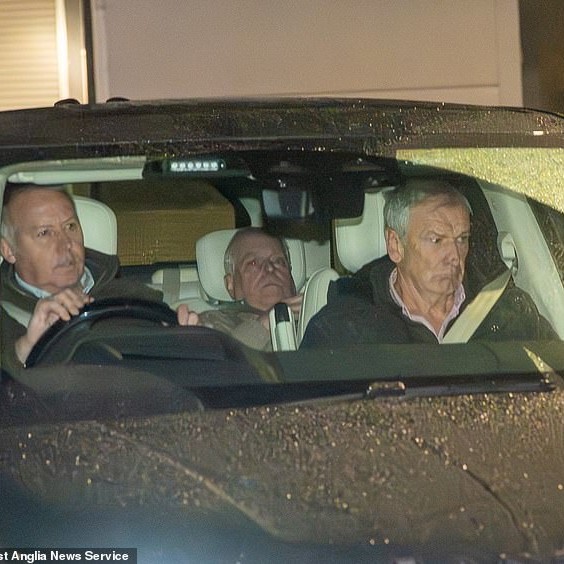
According to a British tabloid photo report, Andrew Mountbatten-Windsor was photographed leaving a police investigation center in Aylsham, Norfolk, last Thursday after roughly 11 hours in custody. Police had reportedly arrested him on suspicion of misconduct in public office in connection with his long-scrutinized ties to convicted sex offender Jeffrey Epstein, before releasing him under investigation.
The images show Andrew in the back of a car, clocking the camera flashes, then slowly sinking lower and lower in his seat like a teenager who just got caught sneaking in past curfew. First, we see his full face, then only his eyes above the seatback, and finally nothing at all as he disappears from view.
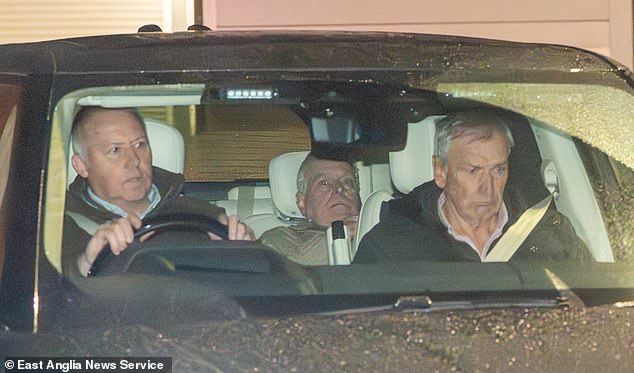
The irony, of course, is that by the time he tried to hide, at least one agency photographer had already captured a clear shot that news outlets say ran around the world.
The Take
I am not sure what is more dated here: Andrew’s alleged misconduct in public office or the idea that you can physically duck your way out of a global scandal in the age of high-speed photography and social media.
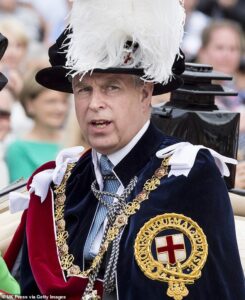
On a human level, it is almost instinctive. Most people seeing camera flashes after a grim day at a police station would rather melt into the floor than make eye contact. But this is not a random businessman leaving traffic court. This is the man long known as Prince Andrew, Duke of York, whose public life has been defined for years by one thing: how he did or did not show up around the Jeffrey Epstein story.
Optics matter, especially when the allegations are this serious. The car-crouch sequence could have been the moment Andrew rolled down the window, sat upright, and at least projected some version of accountability. Instead, the whole thing plays like a low-budget sequel to that infamous interview he gave years ago: all the defensive body language, none of the self-awareness.
The best analogy I can give you: it is like watching someone try to hide a house fire by closing the curtains. The flames are still visible through the window. Everyone on the street can see the smoke. Pulling the drapes just makes you look more out of touch with reality.
Legally, Andrew is entitled to the presumption of innocence, and being arrested or questioned does not equal guilt. But culturally, this is a man already on probation in the court of public opinion. For a public that watched him step back from royal duties over Epstein, the visual of him literally shrinking from sight after fresh questioning does not scream reset. It screams repeat.
Receipts
Confirmed (from pre-existing public record):
- Jeffrey Epstein, a U.S. financier, was convicted in 2008 of sex offenses involving a minor, according to U.S. court records.
- Andrew, Duke of York, faced intense scrutiny over his association with Epstein and publicly discussed it in a 2019 televised interview with a major UK broadcaster.
- In 2022, Andrew settled a civil sexual assault lawsuit brought by Virginia Giuffre in the United States; court filings show he did not admit liability as part of that settlement.
Reported in the new photo story (not independently verified here):
- Andrew Mountbatten-Windsor was arrested on suspicion of misconduct in public office in Norfolk and questioned for roughly 11 hours before being released under investigation.
- He was photographed leaving the Aylsham Police Investigation Centre in the back of a car, where a series of images show him gradually ducking down to avoid photographers.
- A clear image of him in the car was reportedly captured by a news agency photographer and circulated widely to global media outlets.
All recent details about the Norfolk questioning and car photos come from a British tabloid photo report dated February 22, 2026, and descriptions of images attributed to an international news agency. Background on Epstein’s conviction is drawn from U.S. court records and widely reported case histories, and Andrew’s prior public statements are based on his widely aired 2019 TV interview and subsequent legal filings related to the Giuffre settlement.
Prince Andrew was arrested at Sandringham on his 66th birthday amid renewed investigation into his ties with Jeffrey Epstein. The arrest followed the release of millions of “Epstein files” containing emails, documents, and photos linking him to Epstein. Police seized him after… pic.twitter.com/DMnfBMkwnt
— Nsem360 (@nsem360) February 19, 2026
Backstory (For Casual Readers)
If you have not followed every twist of the royal drama, here is the short version. Andrew, the late Queen Elizabeth II’s second son, spent years as a working royal and trade envoy. His friendship with Jeffrey Epstein, who was convicted of sex offenses and later died in jail awaiting further charges, became a public scandal in the late 2010s. Photos of the two together and of Andrew with Virginia Giuffre fueled intense media scrutiny. After a widely criticized TV interview in 2019, he stepped back from official duties. In 2022, he settled Giuffre’s civil lawsuit in the U.S., maintaining his denial of the allegations while paying an undisclosed sum.
What’s Next
The key facts now are that Andrew has reportedly been arrested on suspicion of misconduct in public office and then released under investigation, which means police work continues, and no criminal charges have been announced.
From here, there are two parallel tracks to watch. Legally, any move from investigation to formal charge would be a seismic development for both Andrew and the institution of the monarchy. If that happens, it will be spelled out in official statements from law enforcement or prosecutors, not just photo captions.
On the public side, the royal family’s crisis playbook will come under the microscope again. Do they stay silent, stressing that this is an ongoing investigation, or put some distance between the institution and Andrew as an individual? Does Andrew ever step in front of cameras voluntarily to address what happened, or do we just get more glimpses of him through car windows and long lenses?
For a monarchy that has spent years trying to look modern and accountable, another chapter of hide-and-seek with one of its most controversial figures is the last thing it needs.
What do you think: at this point, is there anything Andrew could say or do in public that would actually rebuild trust, or is the damage simply permanent?





















Comments