

The Moment
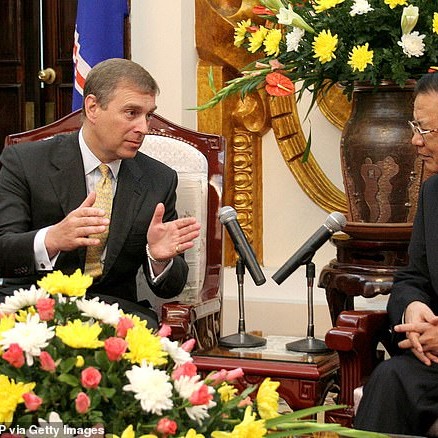
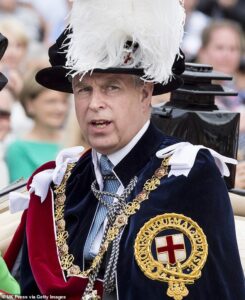
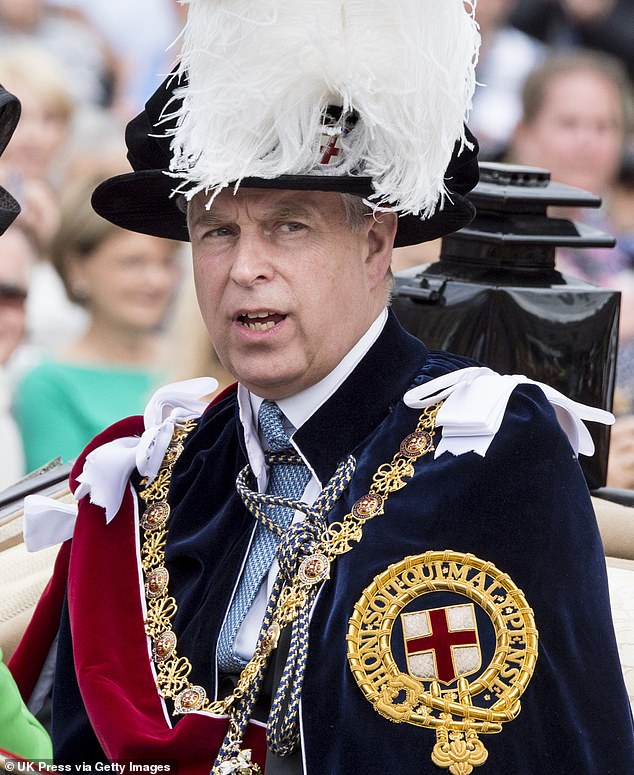
Prince Andrew’s old job as the UK’s trade envoy is back under the microscope, and the picture is… not flattering.
In fresh reporting from British political insiders, Andrew is described as a diplomatic liability during his 2001-2011 stint as Special Representative for International Trade and Investment. One former senior official says ambassadors complained about throwing big receptions overseas only for him to arrive late, talk mainly to young women, then leave early.
Former business secretary Vince Cable is quoted as calling him “a bit of a freeloader,” saying ministers preferred not to deal with him even while the official government line pretended he was doing a “wonderful job.” Another leaked 2001 diplomatic memo from the UK’s then-ambassador to the United Arab Emirates reports Andrew making “crass and offensive” comments about Saudi Arabia and oil, allegedly damaging Britain’s image instead of helping it.
On top of that, emails released by the U.S. Department of Justice show Andrew took David Stern, a close associate of Jeffrey Epstein, on a 2010 trip to China that was supposed to be an official, taxpayer-funded trade mission – and reportedly let Stern help plan parts of it instead of leaving it to government officials.
Despite internal worries dating back to at least 2002, Andrew wasn’t eased out of the envoy role until 2011, after public outrage over his friendship with convicted sex offender Epstein and the circulation of the now-infamous photo of him with Virginia Giuffre, who has alleged he abused her when she was 17. Andrew has denied her allegations and later settled a civil case with no admission of liability.
New reports reveal that Andrew Mountbatten-Windsor used Prince William’s 2011 royal wedding to privately lobby then-Prime Minister David Cameron to keep his trade envoy role — just months before it was terminated amid growing scandal over his associations.
Fast forward to 2026,… pic.twitter.com/3JIN1JCane
— The scoop stateside (@ScoopStateside) February 21, 2026
The Take
I’m just going to say what everyone over 40 is already thinking: this is less “global statesman,” more “that one office guy who treats business trips like a personal loyalty program.”
The job Andrew had was supposed to be serious: sell “Brand Britain” abroad, charm investors, help UK companies land deals. Instead, the emerging portrait is of a man who saw the world as his VIP lounge, backed by the crown and the taxpayer. If the stories from ambassadors are accurate, it sounds less like a trade mission and more like royal speed-dating with a diplomatic backdrop.
The part that really lands, though, isn’t just Andrew’s alleged behavior – it’s how long powerful people looked the other way. You had ambassadors complaining in writing as early as 2001, senior officials warning about his “dubious friends” in the 2000s, and still, he kept the job until 2011. If this were a mid-level civil servant, they’d have been quietly shuffled off to some back office long before that. But because it was a prince? The machine apparently decided it was easier to protect him than fix the problem.
Culturally, it fits a pattern a lot of us recognize: institutions will twist themselves into knots to keep a problematic man in the room, right up until the headlines become too embarrassing to ignore. Think of it like a long-running reality show – the network keeps the worst-behaved cast member because he “draws attention,” then acts shocked when the reunion blows up.
There’s also the sheer mismatch between the sales pitch and the reality. The monarchy loves to talk about “soft power” and “service.” But if your trade envoy is reportedly offending hosts, cozying up to the wrong people, and going rogue on unofficial side trips, what exactly is being served – the country, or his own lifestyle?
For a lot of older royal-watchers who remember the “Air Miles Andy” days, this feels less like a plot twist and more like overdue confirmation. The question now isn’t whether he was a good envoy. It’s why it took a decade of red flags, plus an international scandal, for anyone to finally pull him off the stage.
Receipts
Confirmed (based on official statements and documents):
- Prince Andrew served as the UK’s Special Representative for International Trade and Investment from 2001 until 2011, when he stepped down amid growing criticism of his friendship with Jeffrey Epstein (UK government announcements, 2011).
- Emails released by the U.S. Department of Justice show that Andrew traveled to China in 2010 with David Stern, described as a close associate of Epstein, and that Stern was asked to help with arrangements for that trip, which was framed as an official trade mission.
- A 2001 diplomatic memo from the UK’s then-ambassador to the United Arab Emirates, reported by British political journalists, describes Andrew making “crass and offensive” remarks about Saudi Arabia and oil and concludes that his visit damaged the UK’s and the Royal Family’s standing.
- Former business secretary Vince Cable, in an on-the-record interview with a UK newspaper, said Andrew was thought of in government as “a bit of a freeloader who wasn’t very useful.”
- Andrew’s association with Jeffrey Epstein is documented, and he gave a widely criticized televised interview in 2019 defending that friendship before stepping back from public royal duties.
- Virginia Giuffre filed a civil lawsuit in the United States alleging that Andrew sexually abused her when she was 17. Court records show that the case was settled in 2022, with Andrew making a financial payment and denying the allegations, and no admission of legal liability.
Unverified / Reported Allegations (claimed by sources, not proven in court):
- Unnamed Whitehall officials and ambassadors say Andrew often arrived late to official receptions, spoke mainly with young women, and left early, leaving a poor impression, according to recent UK press reports.
- Senior government figures reportedly warned that Andrew’s “dubious friends” and off-script negotiations overseas were undermining official policy and damaging the UK’s reputation.
Backstory (For Casual Readers)
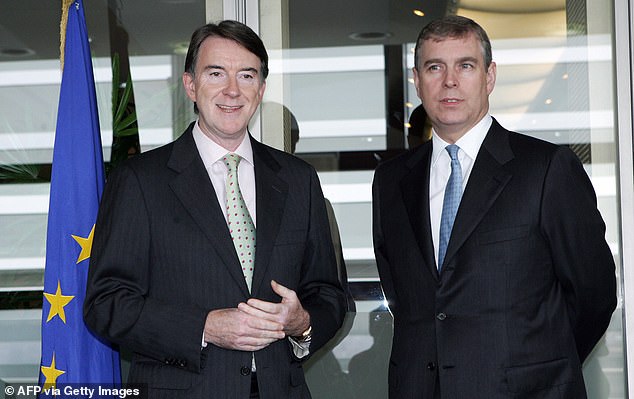
If you’ve only half-watched the royal drama over the years, here’s the quick refresher. Prince Andrew, the late Queen Elizabeth II’s second son, spent decades as the monarchy’s designated “man of the world” – ex-military, frequent flyer, forever shaking hands in far-flung capitals. In 2001, he was appointed the UK’s trade envoy, meant to champion British business abroad. Over time, his reputation as the flashy “party prince” blurred awkwardly with that official role, especially once his friendship with Jeffrey Epstein became public. After a disastrous 2019 TV interview defending that friendship and a 2022 settlement of Virginia Giuffre’s civil lawsuit (which he resolved without admitting liability), Andrew stepped back from royal duties and lost his military titles and royal patronages. These new accounts of his trade envoy years fill in the uncomfortable middle chapter between the fun-loving young prince and the sidelined figure we see today.
What’s Next
Andrew is already effectively benched from royal life, so these latest revelations aren’t about whether he gets a comeback – that ship has sailed, hit an iceberg, and is currently at the bottom of the Atlantic.
The real stakes are for the institution around him. Each new memo, email, and insider quote raises the same awkward question: how many people saw problems and decided that protecting a prince mattered more than protecting the country’s reputation? As more Epstein-related documents surface and more ex-officials feel free to talk, we may see a fuller timeline of who knew what about Andrew’s conduct – and when.
For King Charles and the next generation, this is a case study in what not to do with royal “working roles.” If you’re going to send a family member abroad on the taxpayer’s dime, there need to be guardrails, accountability, and a willingness to cut losses early, not a decade after the first warning email.
Will that lesson actually stick, or will the palace and government quietly file this under “unfortunate history” and move on? As always with the royals, we’ll know the answer not from the speeches, but from who gets trusted with power and perks the next time around.
Your turn: Do these new accounts change how you see Prince Andrew – or is this just confirming what you already suspected about his time as a trade envoy?
Sources: UK government statements (2011); U.S. Department of Justice email releases; UK diplomatic correspondence as described in British political reporting, February 2026; publicly available court filings in Virginia Giuffre’s civil case against Prince Andrew (2021-2022); televised interview footage and palace statements from 2019-2022.





































Comments