

The Moment
Prince Andrew is back in handcuffs, and Britain is back in its favorite soap opera: The Crown, but make it courtroom.
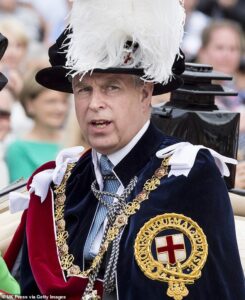
According to recent UK newspaper commentary and news reports, the king’s younger brother has been arrested on suspicion of misconduct in public office. No charges or guilt decided, but the optics? Brutal. This is the same Andrew who stepped away from public duties after his disastrous TV interview about his ties to Jeffrey Epstein.
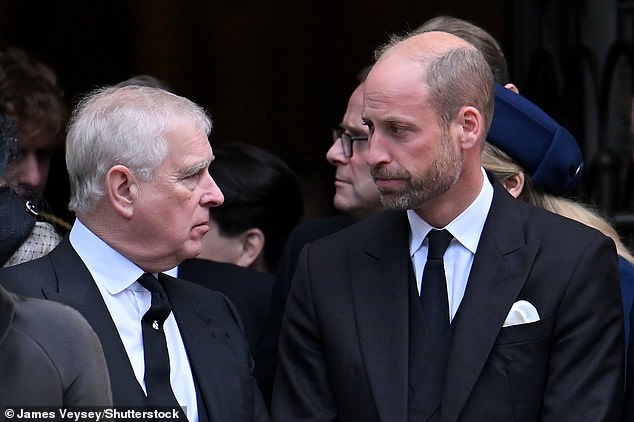
King Charles, facing what many commentators are calling the worst crisis of his reign so far, put out a carefully worded statement stressing that “the law must take its course.” In palace-speak, that is the equivalent of changing the locks on the guest wing.
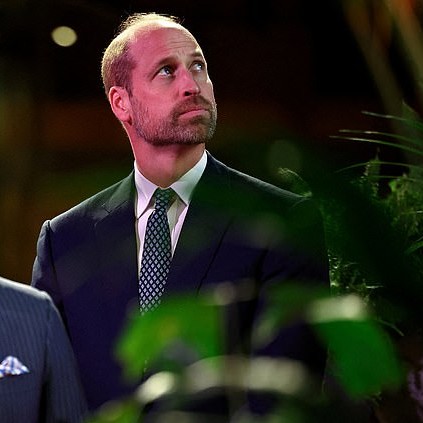
And Prince William, the man who will inherit this mess? We are told he and Princess Catherine “approved” the King’s statement. That’s it. No solo address, no walkabout, no strong message about accountability. Instead, William appeared in a BBC conversation about men’s mental health, opening up about his time as an air ambulance pilot and the emotional toll that work took on him.
Important subject, yes. But in the middle of what looks like a constitutional five-alarm fire, it left a lot of people wondering: where is the future king?
🚨https://t.co/SgSQbFj69C :: BREAKING :: Prince William reveals toll of Andrew arrest in first public appearance since royal scandal
DIRECT ACCESS :: https://t.co/acvFQmrL4j
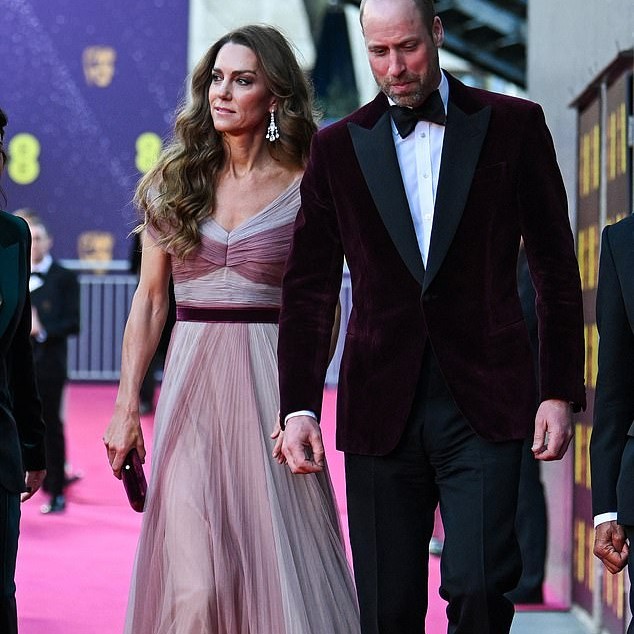
Prince William admitted he was not in a “calm state” while attending the British Academy Film Awards… pic.twitter.com/zuSX70mNAf
— SAY IT (@ScottxBronson) February 23, 2026
The Take
I’m going to say the quiet part out loud: the problem is not that William cares about mental health. The problem is that he hasn’t yet figured out how to do that and look like a commander-in-chief when the family is engulfed in scandal.
Right now, it feels a bit like this: your company’s CFO is marched out by the police, rumors are flying, and the heir to the CEO job pops up with a heartfelt video about burnout. Important, yes. Wrong moment, absolutely.
Some royal-watchers – and at least one sharp-tongued British columnist – are painting William as a reluctant king-in-waiting: doing far fewer public engagements than his 77-year-old father, leaning into curated, high-impact projects instead of the old-school “cut a ribbon, shake 300 hands” model. Add in Catherine’s very real cancer battle, and their move to a quieter home inside Windsor Great Park, and the picture that gets spun is: they want the perks, not the grind.
I don’t fully buy that. William grew up watching his parents get emotionally shredded by the job. If anyone has a right to want boundaries, it’s the boy who walked behind Diana’s coffin on live TV. A modern royal should talk about mental health. That’s not weakness; that’s catching up with the rest of us.
But – and it’s a big but – you cannot lead a 1,000-year-old institution by vibe alone. Silence is also a statement. When your uncle is under arrest, and your father is trying to hold the Crown together, saying nothing beyond “we approve the King’s words” leaves a leadership vacuum that critics are only too happy to fill.
Counting royal engagements like steps on a fitness tracker is a very 20th-century way to judge relevance. Younger generations don’t care how many plaques you unveil; they care whether you stand for something real when it’s hard. William doesn’t need to hit 500 appearances a year. He does need, at minimum, one clear, personal message about where he stands on accountability, victims, and the rule of law.
If he can’t or won’t do that now, then yes – Andrew may be the scandal, but William becomes the strategic risk. A monarchy can survive a disgraced spare. It struggles with a hesitant heir.
Receipts
Here’s what’s solid and what’s still more smoke than fire.
Confirmed (or long-established) facts:
- Prince Andrew stepped back from royal duties in 2019 after intense backlash over his TV interview about his friendship with convicted sex offender Jeffrey Epstein; this has been reported widely by UK and international media.
- He has faced multiple civil accusations tied to the Epstein circle, which he has denied; a high-profile civil case in the US was settled out of court in 2022, according to court records.
- King Charles has consistently positioned himself as supportive of the legal process and has kept Andrew out of front-line royal duties; this has been clear from palace briefings since Charles became king.
- Prince William has a long-running public focus on mental health, including veterans’ welfare and his work as an air ambulance pilot, discussed in past BBC and charity interviews.
- William and Catherine relocated their young family to the Windsor area in 2022 to give their children more privacy while maintaining royal duties, something the palace confirmed at the time.
Reported / not independently verified here:
- That Andrew has recently been arrested on suspicion of misconduct in public office. This is being described in recent UK newspaper columns and news reports, but full legal details and outcomes are still emerging.
- Specific yearly engagement counts, such as Charles allegedly completing more than 500 official events in 2025 compared with around 200 for William. These figures come from royal reporting and have not yet been published in any official government document.
- Claims that William is Andrew’s “fiercest critic” inside the family and previously threatened to avoid certain ceremonies if Andrew attended. Those accounts rely on unnamed palace sources quoted in UK commentary pieces.
- Suggestions that William is personally reluctant to be king or is strategically avoiding higher visibility during the Andrew crisis. That’s analysis and speculation, not something William has said on the record.
Backstory (For Casual Readers)
If you’ve only half-watched “The Crown” and vaguely remember a “bad prince” somewhere in the family tree, here’s the cheat sheet.
Prince Andrew is King Charles’s younger brother and the late Queen Elizabeth’s second son. His reputation imploded after years of headlines about his friendship with Jeffrey Epstein, followed by a catastrophic TV interview where he tried – and failed – to explain it all away. Since then, he’s been out of public royal life, but still living very much in the royal ecosystem.
Prince William, meanwhile, is the heir to the throne and arguably the most important asset the monarchy has left with younger generations. He’s married to Catherine, Princess of Wales, who revealed in 2024 that she is undergoing cancer treatment. Together, they’ve tried to project a more relatable image: school runs, causes they care about, and fewer but more focused appearances.
Now comes this reported arrest of Andrew and a fresh wave of outrage. Charles has drawn a firm line in public. The big question is whether William will step up beside him, or keep playing the distant, dignified future king who only speaks when it’s safe.
What’s Next
Legally, the Andrew story will move at its own slow, grinding pace: investigations, potential charges, lawyers arguing over every comma. The palace can’t control that.
What it can control is the story around the throne. Watch for a few things in the coming weeks:
- A direct statement from William. Not via “palace sources,” not just nodding along with his father, but his own words about accountability, women’s safety, and trust in the justice system. If that doesn’t happen, the “reluctant heir” narrative will harden.
- Catherine’s visibility. Given her health, no one sane expects a packed diary. But even a short, carefully managed joint appearance – separate from the Andrew drama – would reassure people that the future of the Crown isn’t retreating behind the park gates.
- Shift in engagement style. Don’t be surprised if we see fewer flashy documentaries and more traditional bread-and-butter appearances from William: charity visits, walkabouts, maybe a prison or women’s services visit that quietly nods to the alleged victims in the Andrew orbit.
- How hard Charles goes. If the King continues to keep Andrew firmly on the sidelines – no balcony, no official role, no soft re-entry – that signals the institution is choosing survival over sentiment.
In the end, this isn’t just about an uncle in trouble. It’s about whether the man who will wear the crown can look straight into the storm and speak clearly, even when it’s family. Because if William won’t do that, the monarchy doesn’t just have an Andrew problem. It has a succession problem.
So where do you land: do you want a future king who grinds through 500 engagements a year like Charles, or one who does fewer but deeper – as long as he shows up when the house is on fire?













































Comments