

The Moment
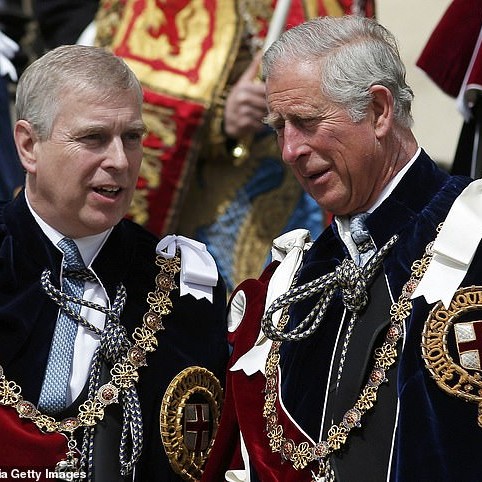
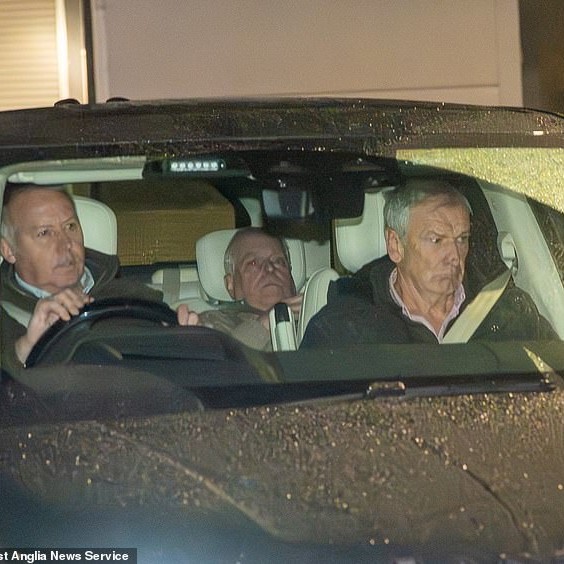
So here we are again: another day, another royal crisis with the same familiar face at the center. A recent British tabloid column by royal writer Robert Hardman paints an explosive picture: Prince Andrew, now styled Andrew Mountbatten-Windsor, allegedly arrested in Norfolk on suspicion of misconduct in public office, questioned for hours, and still showing what the writer calls a near bovine lack of remorse.
In that account, Andrew has been quietly exiled to Norfolk on his 66th birthday, stewing over horses, parking, and bills that his big brother, the King, is reportedly still footing. Behind the scenes, we’re told, palace staff mutter about his constant complaints while opinion polls supposedly show the public urging King Charles III to push Andrew even further out of the royal orbit.
Layer on top of that talk of MPs sharpening their pencils, select committees eyeing his finances and former homes, and constitutional experts whispering about changing the line of succession so Andrew is nowhere near the throne, even on paper. Whether every detail of that column holds up or not, the core point lands: Andrew has gone from embarrassing spare to walking constitutional hazard.
The Take
I’ll be blunt: if this reporting is even half right, Andrew isn’t just a PR problem anymore. He’s a stress test for the modern monarchy.
The royals have always had a few wayward cousins; that’s practically part of the brand. But a senior royal repeatedly tied to a long-running sexual abuse scandal he vigorously denies, who then settles a civil case, loses his military honors, disappears from public duty, and still can’t read the room? That’s not a naughty uncle. That’s the corporate board member who keeps showing up in the headlines while the CEO is trying to convince everyone the company has changed.
The alleged Norfolk exile and reported arrest are almost beside the point. The bigger issue is what the column highlights: Andrew appears, at least in these accounts, more worried about his horses and car parking than the damage to his mother’s life’s work and his brother’s reign. If that’s accurate, it’s less scandal and more emotional flatline.
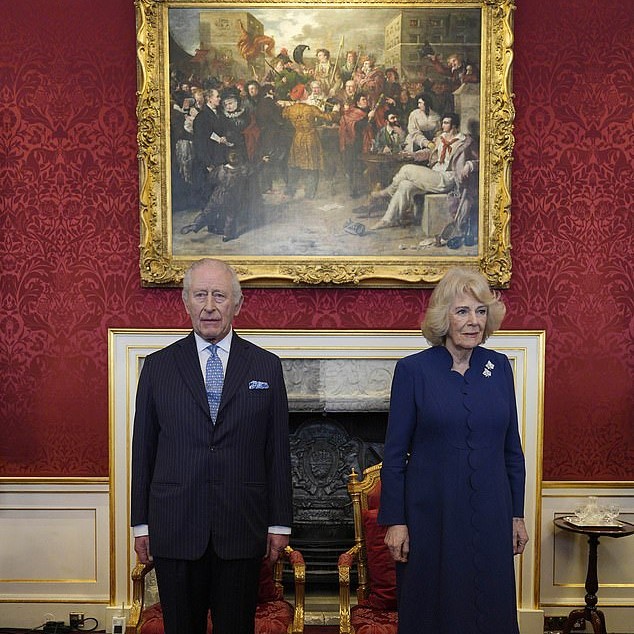
For King Charles, this is the nightmare scenario. He has spent decades arguing for a streamlined, hardworking monarchy. Instead, he’s stuck with a brother who has become, fairly or unfairly, shorthand for everything people dislike about royal privilege: money with murky explanations, lavish housing, security costs, and absolutely no obvious service to justify it.
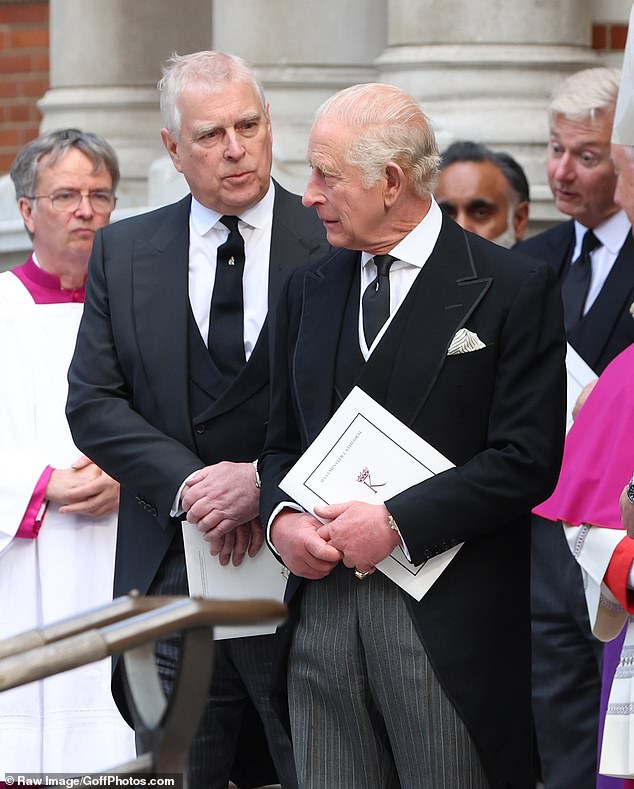
The analogy that keeps coming to mind? Imagine a family-run hotel that’s trying desperately to modernize. They repaint the lobby, update the website, retrain the staff – but Uncle Andrew is still in the bar, loudly arguing with guests about his tab and insisting he used to be very important. At some point, the new manager has to decide: do you keep comping Uncle’s drinks, or do you finally change the locks?
Changing the line of succession, as that column suggests, is now squarely on the table and would be a giant “lock-change” moment. Yes, Andrew is already eighth in line with virtually no chance of ever wearing the crown. But symbols matter. Keeping him on the official list, even notionally, increasingly feels like leaving a cracked pane of glass in the shop window and hoping no one notices.
And here’s the twist: Charles can’t just snap his fingers. Any formal removal from succession would require legislation in the UK and sign-off from the other realms where he’s King. In other words, Andrew’s legacy is now so toxic that it risks dragging prime ministers and Commonwealth governments into an argument they never wanted.
Whether you’re a monarchist or a quiet republican, the question is the same: how much longer can the institution carry a man who, according to multiple reports over the years, shows so little public remorse for the mess swirling around his name?
Receipts
Confirmed (pre-2024 facts):
- Prince Andrew stepped back from royal duties in 2019 after a disastrous televised interview about his friendship with Jeffrey Epstein, in which he denied allegations of sexual misconduct but was widely criticized for his tone and answers, according to extensive UK broadcast coverage at the time.
- On January 13, 2022, Buckingham Palace announced that Andrew’s military affiliations and royal patronages had been returned to the late Queen and that he would no longer use the style “His Royal Highness” in an official capacity.
- In February 2022, Andrew reached an out-of-court settlement in a civil sexual assault case brought by Virginia Giuffre in the United States. He admitted no liability and has consistently denied the allegations.
- He remains, on paper, in the line of succession (eighth as of early 2024), though legislation in 2022 already diluted his functional role as a Counsellor of State by adding other working royals.
Unverified or reported only in one 2026 column:
- The claim that Andrew has been formally arrested in Norfolk on suspicion of misconduct in public office and questioned for more than 11 hours.
- Details of an internal “exile” to Norfolk, including complaints about housing, horses, and parking, as relayed by unnamed family-adjacent sources.
- Any 2026 YouGov-style polling specifically calling for King Charles to remove Andrew from the line of succession.
- Suggestions that the UK select committees are already actively probing his lease arrangements and past trade-envoy work in direct response to this alleged arrest.
Former Prince Andrew Released After Arrest in Epstein Probe as King Charles Breaks Silence
King Charles’ younger brother, Andrew Mountbatten Windsor, has been released from police custody after being arrested on suspicion of misconduct in public office linked to Jeffrey Epstein.… pic.twitter.com/UbGp5Wmf7i
— India Today Global (@ITGGlobal) February 20, 2026
These newer claims come from a single February 2026 British tabloid column and, as of my last solid information in early 2024, cannot be independently verified.
Backstory (For Casual Readers)
If you’ve tuned out the last decade of royal drama, here’s the short version. Prince Andrew, the late Queen Elizabeth II’s second son, developed a close friendship with convicted sex offender Jeffrey Epstein. After Epstein’s death, allegations about Andrew’s conduct escalated, including a high-profile civil lawsuit from Virginia Giuffre in the U.S. that he vigorously denied but ultimately settled in 2022.
His attempt to clear his name in a 2019 sit-down TV interview was widely seen as a disaster: he showed little empathy for Epstein’s victims, offered bizarre explanations (remember the “I can’t sweat” moment?), and left public opinion even harsher. Within days, he had stepped back from royal duties. In 2022, he lost his military titles and the right to use HRH officially, and he largely vanished from the royal front line, though questions lingered about who was paying his bills and why he still enjoyed such generous perks.
What’s Next
If the 2026 reporting about an arrest and a new investigation proves accurate, several big pressure points are likely to heat up fast.
First, the line of succession. Right now, Andrew’s place is symbolic more than practical. But symbols are exactly what monarchies trade in. Removing him would need UK legislation and parallel moves in other realms where Charles is head of state. If that conversation truly starts, it will signal that the Palace and government are ready to treat Andrew not just as a family embarrassment but as a constitutional vulnerability.
Second, money and housing. Expect louder questions about who funds Andrew’s security, lifestyle, and any grace-and-favor properties, especially if parliamentary committees are already eyeing his lease arrangements. In an era of cost-of-living crises, a retired royal with no public role but plenty of perks is political kindling.
Third, the daughters question. Hardman’s column hints that public patience may start to stretch to Princess Beatrice and Princess Eugenie’s arrangements, too, even though they haven’t been accused of wrongdoing and live far quieter lives. That’s the danger of staying tied to a scandal magnet: the fallout rarely stops neatly at one person.
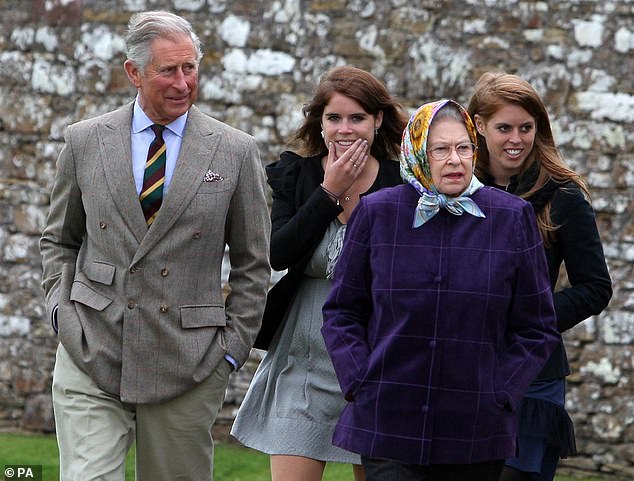
Finally, the King’s voice. Charles has been careful so far, letting written statements and quiet restructuring do the talking. If the legal process around Andrew moves into clearer territory – charges, no charges, or formal closure – watch for a more explicit, possibly final, decision from the King about his brother’s role, titles, and place in royal life.
The monarchy survived abdication, divorce, and the fury after Diana’s death by adapting just enough to keep going. The open question now is whether “just enough” includes formally sidelining a son who, by many accounts, still doesn’t seem to grasp the damage he’s done.
Where do you think the line should be drawn: should King Charles push for Andrew’s full removal from the succession, or is there a point where enough punishment is enough?
Sources: Buckingham Palace written statement on Prince Andrew’s roles, January 13, 2022; publicly reported details of his February 2022 civil settlement with Virginia Giuffre; a February 2026 British tabloid column by royal commentator Robert Hardman describing alleged arrest, exile to Norfolk, and possible constitutional fallout.

























































Comments