


The Moment
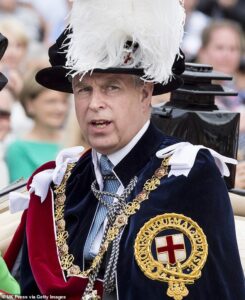
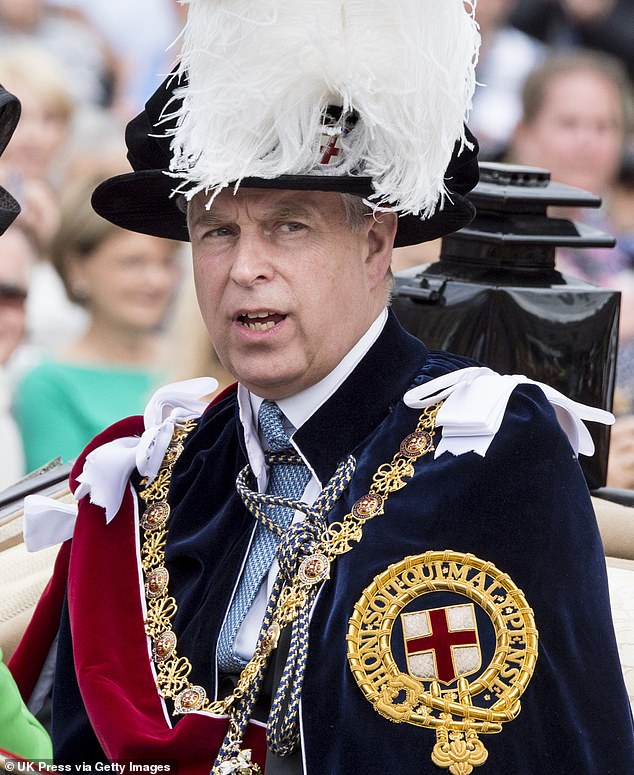
A UK tabloid report claims that Andrew Mountbatten-Windsor, the man the world still mostly calls Prince Andrew, was arrested at Sandringham and taken into custody on suspicion of misconduct in public office.
According to the report, plain-clothes officers in multiple vehicles arrived at Wood Farm, the cottage on the Sandringham estate where he has been living since leaving Royal Lodge, and detained him on his 66th birthday.
The alleged focus: whether, in his former role as a UK trade envoy, he shared sensitive information with Jeffrey Epstein, the convicted sex offender whose name has already scorched most of Andrew’s public life. Police had previously been said to be reviewing wider trafficking and abuse allegations linked to Epstein, and a woman was reportedly brought to the UK.
If this account is accurate, it would be an unprecedented moment in modern royal history: a senior royal relative of the monarch, under arrest and facing the possibility – not the certainty – of a charge that can legally carry a life sentence.
But it is worth underlining: so far, this is a single media report about a developing situation, and it has not been independently confirmed here.
The Take
Let me put it bluntly: if this turns out to be true, the quiet era of “exile Prince Andrew to the back of the estate and hope everyone forgets” is over.
For years, the royal strategy has been: remove titles, cancel public duties, and treat Andrew like a family problem, not a constitutional one. This report drags him out of the realm of reputational damage and plants him firmly in the world of criminal law.
And that is the real cultural earthquake here. Not just Andrew, but the idea that the monarchy can still float above normal accountability. Misconduct in public office is not a tabloid word like “scandal”; it is a serious, old-school offence in English law, usually reserved for police, judges, and officials who abuse their position. It is the legal equivalent of a four-alarm fire.
We also have King Charles, who, according to the quoted palace statement, has signalled a new tone: sympathy for abuse victims and a promise to support any police investigation. That is a long way from the “never complain, never explain” bubble that once protected the family brand, if not the people around it.
If the monarchy was once a castle on a hill, this moment makes it look more like a glasshouse: everyone can see in, and the stones are already flying.
One more point: an arrest is not a conviction. It is not even a charge. It is the beginning of a formal process, not the end of a moral debate. Given Andrew’s past denials of wrongdoing and the lack of any confirmed criminal charges to date, we are in pure due-process territory – even if the court of public opinion started its trial years ago.
Receipts
Confirmed (independent of this new report)
- Andrew Mountbatten-Windsor stepped back from royal duties in 2019 after a disastrous televised interview about his friendship with Jeffrey Epstein, and the palace later announced he would no longer undertake public duties.
- In early 2022, the palace confirmed that he had returned his military affiliations and royal patronages and would no longer use the style “His Royal Highness” in any official capacity.
- Public court records show he reached a civil settlement in 2022 with Virginia Giuffre, who had accused him in a US lawsuit of sexual abuse; he has consistently denied the allegations, and the settlement included no admission of liability.
- Under UK constitutional practice, only the reigning monarch enjoys sovereign immunity from prosecution; other royals can be investigated and charged like any other citizen.
- UK legal guidance states that misconduct in public office is an indictable-only offence, tried in the Crown Court, and can carry a maximum sentence of life imprisonment in the most serious cases.
Unverified / Based on the single report provided
- The claim that Andrew was arrested at Wood Farm on the Sandringham estate and taken into police custody on suspicion of misconduct in public office.
- The specific allegation that this relates to him allegedly sharing sensitive information with Jeffrey Epstein while serving as a UK trade envoy.
- Any suggestion that police are actively linking that alleged misconduct to wider trafficking claims involving a woman brought to the UK by Epstein.
- The precise details of how many officers and vehicles were involved, where he is being held, and how long he may remain in custody.
- The exact wording and timing of any new statements from Thames Valley Police about this supposed arrest.
All of the items in the second list come from the single tabloid-style report shared in the reader’s prompt and have not been independently corroborated here.
Backstory (For Casual Readers)
If you tuned out of royal drama somewhere between Princess Diana and Meghan Markle, here is the short version. Andrew, the late Queen Elizabeth II’s second son, spent years as the “spare spare”: military man, trade envoy, occasional tabloid character. His decades-long friendship with Jeffrey Epstein – already deeply troubling once Epstein’s crimes came to light – became explosive when Virginia Giuffre accused Andrew of sexually abusing her when she was 17.
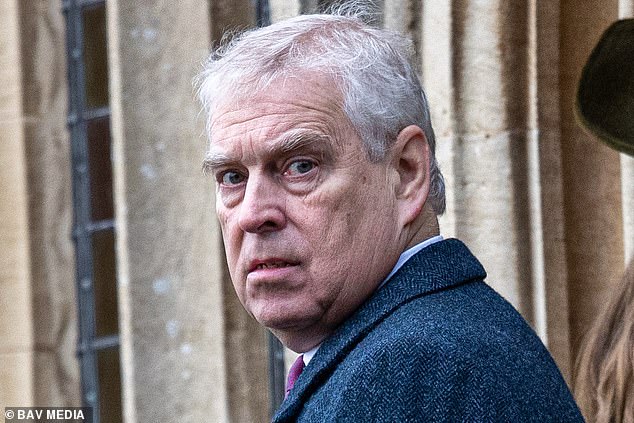
Andrew denied all allegations, but his 2019 TV interview trying to explain away his ties to Epstein was a public-relations catastrophe. Within days, he stepped back from royal duties. In 2022, in the shadow of Giuffre’s civil lawsuit, he reached a settlement reportedly worth millions of dollars, again without admitting wrongdoing. The palace stripped him of his remaining public military roles and patronages. Since then, he has largely lived out of the spotlight on royal estates, with no formal criminal charges announced against him.
What’s Next
Because this alleged arrest is not yet broadly confirmed, the most important “next step” is simple: watch for clear, on-the-record statements from law enforcement and the palace.
If police officially confirm that Andrew has been arrested or interviewed under caution, we will immediately be in new territory. Investigators would then have up to a limited number of hours to hold him without charge, after which they must either release him (with or without bail conditions) or move toward charging.
Any decision to charge him with misconduct in public office would go through prosecutors, who would weigh two questions: is there enough evidence for a realistic prospect of conviction, and is it in the public interest to prosecute? Given the sensitivity of putting a senior royal relative in the dock, every step would be pored over by legal and constitutional experts.
For the monarchy, the stakes are just as high. King Charles has already, according to the quoted statement, signalled sympathy for abuse victims and support for any police inquiry. If the case advances, he will have to navigate a brutal balancing act: loyalty to a brother, duty to the crown, and a public that is much less tolerant of quiet cover-ups than it once was.
For now, the only responsible posture is cautious: note what is being reported, separate confirmed history from fresh claims, and let the legal process speak before the hashtags do.
So, if this report is eventually confirmed, do you think the public will accept a senior royal being treated like any other defendant, or would that be the breaking point for the monarchy itself?
Sources: Public Buckingham Palace statements on Andrew’s roles and titles (2019, 2022); UK Crown Prosecution Service and constitutional guidance on misconduct in public office and royal immunity (accessed prior to October 2024); user-provided article text describing an unconfirmed 2026 report.


















































Comments