

The Moment
More than 30 years after Kurt Cobain was found dead in that infamous Seattle greenhouse, a retired police captain is throwing a major wrench into the official story.

Neil Low, who spent about five decades with the Seattle Police Department and was asked by his chief to audit the Cobain investigation in 2005, now says he believes the Nirvana frontman’s death was a homicide, not a suicide.
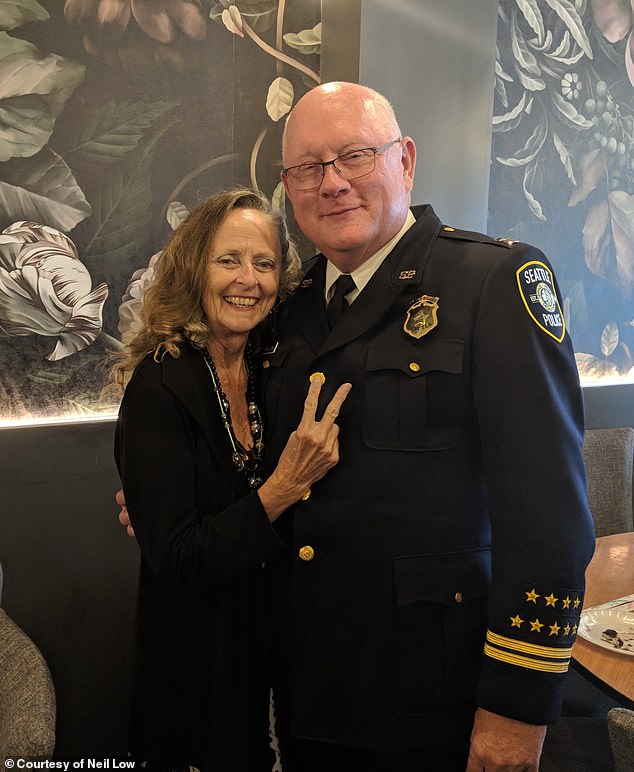
In a new interview with a U.K.-based newspaper, Low calls the original probe “botched,” says the physical evidence at the scene “does not add up,” and argues the case should be reopened. He points to things like allegedly “unusually clean” hands for someone who supposedly fired a shotgun, questions about blood patterns, and what he describes as missing or conflicting details in old police and autopsy reports.
The Seattle Police Department, for its part, is not budging. When asked about Low’s claims, officials reportedly repeated their long-held position: Kurt Cobain died by suicide in 1994, and that remains the department’s view.
So now we have an ex-cop calling foul and an entire police department standing by its original call. Welcome back to one of the 1990s’ most enduring flashpoints.
The Take
I’m going to say the quiet part out loud: a retired cop using the word “homicide” about Kurt Cobain is gasoline on a conspiracy theory that never really went out.
But here’s the line I keep coming back to: there’s a difference between a sloppy investigation and a proven murder. Low is very clearly alleging the first. The second? We’re nowhere near that bar, at least publicly.
Low’s case is basically this: investigators treated Cobain’s death as a suicide from the jump. A police spokesperson reportedly referenced a suicide note to reporters at the scene, before toxicology or a full autopsy were in. Once that narrative hardens, he argues, you stop looking for anything else. That part, frankly, tracks with what a lot of us now know about 1990s law enforcement culture. CSI-style forensics were still TV fiction.
He also leans hard on the physical details: the shotgun blast, the blood spatter he’d expect to see, the state of Cobain’s hands, and discrepancies in old reports. To him, it smells like a staged scene. To Seattle PD and the medical examiner’s office back then, it was a tragic but straightforward suicide by shotgun, backed by toxicology and the now-famous note.
Think of it like watching an old cop show remastered in HD: suddenly you see every continuity error, every awkward edit, every “wait, that makes no sense” moment. The story didn’t change; your ability to nitpick did. Low is essentially binge-watching the Cobain file in HD and saying, “Hang on, why does this look so messy?”
And honestly, I don’t hate that. We should want our institutions re-examined, especially in a case that became a generational trauma for a lot of people. A second look doesn’t dishonor someone; done right, it can protect the living.
Where I get uneasy is the cultural spin that’s already starting: “Cobain’s death declared a homicide!” No, it wasn’t. A retired captain says he now believes it was a homicide. That nuance matters. The official ruling from the King County Medical Examiner is still suicide. Seattle PD still says suicide. No agency has reclassified the manner of death.
And we can’t ignore the emotional charge here. Cobain isn’t just another rock star; he’s the patron saint of the 27 Club era so many Gen Xers lived through in real time. Questioning his death scratches a very old itch: that maybe our icons didn’t choose to leave us, that there’s someone else to blame. That’s human, but it can also unintentionally erase the reality of mental illness and addiction, which were well documented in Cobain’s life.
Courtney Love ‘revisiting horrifying moment’ amid Kurt Cobain homicide claimshttps://t.co/1VRtrtuT1b pic.twitter.com/lcBrQcV19t
— MirrorUSNews (@MirrorUSNews) February 18, 2026
So my read? Low is raising fair questions about how seriously suspected suicides were treated in the ’90s and whether this specific investigation met best practices. That’s valid. But until new, independently reviewed evidence comes out, turning that into “Kurt was murdered” is more a wishful narrative than an established fact.
Receipts
Here’s what’s solid and what’s still in the fog.
Confirmed:
- Kurt Cobain died on April 5, 1994, at age 27, from a shotgun wound to the head; his body was found three days later in a greenhouse structure at his Seattle home, according to the original investigation and contemporaneous reporting.
- The King County Medical Examiner ruled his death a suicide in 1994, citing the shotgun at the scene and a handwritten note found nearby.
- The Seattle Police Department has publicly reaffirmed that suicide ruling multiple times, including during a 2014 internal review of the case, when officials stated there was no evidence to change the original finding.
- In 2005, then-Captain Neil Low was asked by his chief to audit the Cobain case file; he had access to reports and crime scene evidence as part of that review.
- In a newly published interview in February 2026, Low states that he now believes Cobain’s death was a homicide, calls the original investigation “botched,” and says the case should be reopened.
- Seattle PD’s current position, as relayed in response to questions about Low’s claims, is that Cobain “died by suicide in 1994,” and that remains the department’s stance.
Unverified or contested:
- Low’s belief that the scene was “staged” to look like a suicide is his interpretation of the evidence; no law enforcement agency or court has formally adopted that conclusion.
- Claims about what “should” have been seen in blood patterns or on Cobain’s hands are forensic opinions that have not been publicly vetted by an independent panel of experts.
- Suggestions that records were intentionally altered or key notes deliberately omitted remain allegations; what’s documented is that Low says he found inconsistencies and gaps in old reports.
- A recent paper by independent researchers, reportedly arguing that the evidence points to homicide, has not, as of now, led to any official change in the ruling.
Backstory (For Casual Readers)
If you weren’t living on flannel and mixtapes in the early ’90s, a quick refresher. Kurt Cobain was the lead singer and guitarist of Nirvana, the grunge band that blew up the music industry with “Smells Like Teen Spirit” and turned Seattle into the center of the universe for a minute.
He struggled very publicly with heroin addiction, chronic pain, and depression. On April 8, 1994, an electrician found Cobain dead in a greenhouse space above a garage at his home. A shotgun was on his body, and a note, widely described as a suicide note, was nearby. The medical examiner ruled it a suicide; police treated it as such.
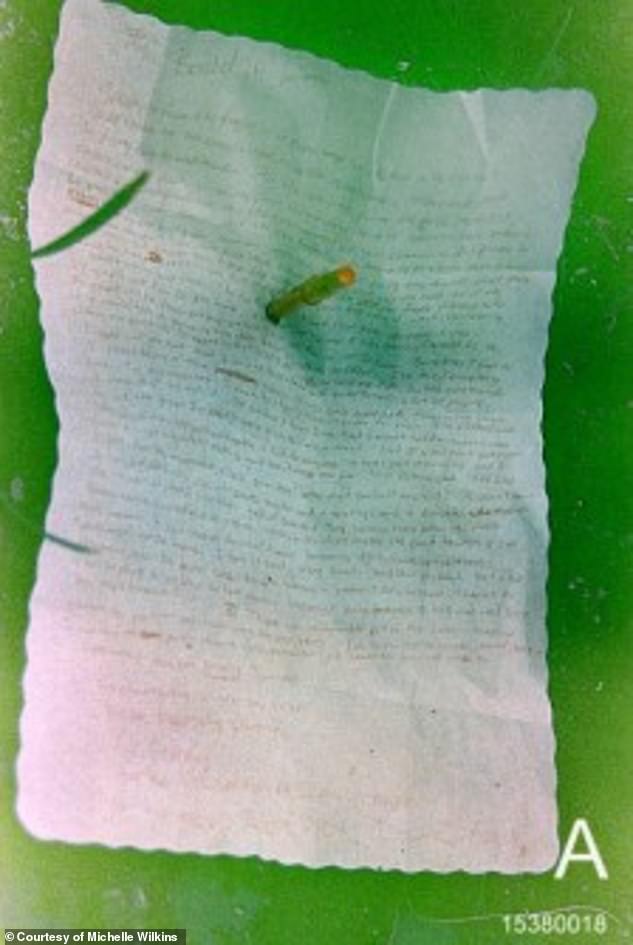
Almost immediately, alternative theories popped up: that the scene had been staged, that other people were involved, that the note wasn’t what it seemed. Over the years, documentaries, books, and fan investigations have tried to re-litigate the case. In 2014, Seattle police reviewed old photos and confirmed, again, that the official ruling would not change.
Now we have something new in that long saga: a veteran former insider saying, essentially, “We got this wrong.”
What’s Next
The big question everyone’s jumping to is: Will the case actually be reopened?
Right now, there’s no sign that Seattle PD plans to reclassify Cobain’s death or launch a full-scale new homicide investigation. Departments generally need more than a former officer’s changed opinion to reopen a closed case-think new physical evidence, credible new witnesses, or proof that old evidence was seriously mishandled.
What Low’s comments could do is put public pressure on the department to at least re-audit parts of the file again, or to release more documentation and photos that have never been made public. If more independent forensic experts weigh in on the blood patterns, the gun, and the toxicology, that could either bolster his concerns or undercut them.
There’s also a cultural piece here: you can expect a fresh wave of podcasts, think pieces, and online sleuthing spinning every detail into a grand theory. Some of that may surface real questions; some of it will just be people trying to turn grief into content.
For Cobain’s family and fans, this is reopening a wound that never fully healed. However it lands, the one thing that doesn’t change is the loss itself. Whether you believe the official story or think there’s more to uncover, the conversation says as much about us-our mistrust of institutions, our nostalgia, our discomfort with suicide-as it does about what happened in that greenhouse in 1994.
Where do you land on this: should a case like Cobain’s be reopened on a veteran cop’s new read of old evidence, or is this just pouring fresh fuel on a tragedy that can’t be undone?
Sources
- Statements and historical summaries from the Seattle Police Department regarding the 1994 investigation into Kurt Cobain’s death and the 2014 review, as reported in public records and mainstream news coverage.
- 1994 ruling by the King County Medical Examiner on the manner of Kurt Cobain’s death (suicide by shotgun), referenced in contemporary reporting and later retrospectives.
- February 2026 interview with retired Seattle Police captain Neil Low in a U.K.-based newspaper, in which he describes the original investigation as “botched,” expresses his belief that the case is a homicide, and calls for it to be reopened.





















































Comments