

The Moment
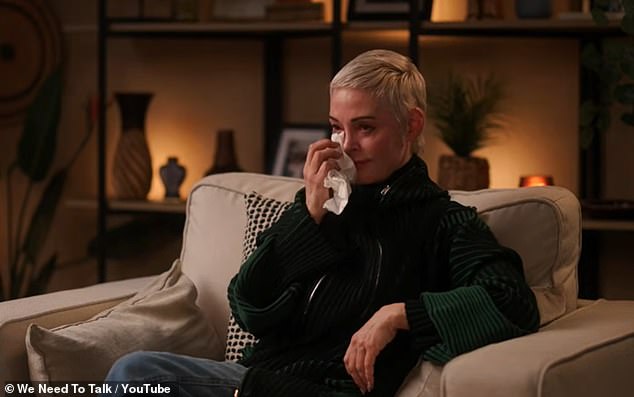
Rose McGowan is back in the headlines, and it is not for a reboot or a red-carpet comeback. On a recent episode of Paul C. Brunson’s podcast We Need To Talk, the 52-year-old actress and early #MeToo firebrand said out loud what a lot of people whisper about powerful men who fall from grace: she doesn’t entirely believe Harvey Weinstein is actually sitting in a cell.
When Brunson asked if she felt justice had been served, Rose didn’t sugarcoat a thing. She said she would “love to see a picture of him in prison” and added that she suspects the disgraced producer might be living it up “in a mansion in Connecticut. That’s my theory.” She went even further: “I don’t know if he’s ever spent a day in prison. Hollywood, baby. I don’t know, maybe.”
These aren’t dry legal notes; they’re raw feelings from a woman who has said for years that Weinstein sexually assaulted her at the 1997 Sundance Film Festival, a story she detailed in her 2018 memoir Brave and has repeated consistently since. During the same conversation, she revisited that trauma and broke down when shown a childhood photo with her father, Daniel, reflecting on a complicated relationship that softened as she got older.

Rose also admitted something that cuts through all the social-media noise: she would actually like to act again. After describing Weinstein as a “warthog from hell” who has been on her back for most of her life and warping public perception of her, she said she still hopes for “some kind of career” in the arts and something creative.
So in one interview, she did three things at once: reopened the question of Weinstein’s punishment, reminded the world of what she says he did to her, and quietly asked if Hollywood will ever let her be anything but “the one who took down Harvey.”
The Take
I’m going to say the quiet part out loud: Rose’s mansion theory almost certainly isn’t true in a literal, paperwork-and-barbed-wire way. Court records and years of coverage show Harvey Weinstein has been in state custody on multiple sex-crime convictions in New York and California, facing sentences that add up to decades.
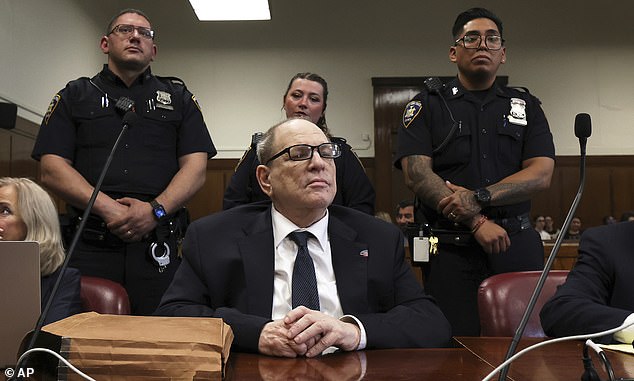
But that doesn’t mean her doubt is coming from nowhere. It’s coming from a place a lot of survivors live in: a world where powerful men almost always land on a mattress, not the concrete.
Think about the pattern. For years, Weinstein was Hollywood’s untouchable kingmaker. He allegedly bullied, paid off, and intimidated his way through accusations while collecting Oscars and thank-you speeches. Even after he finally became the face of consequences, we still hear about celebrities and executives doing time in relatively cushy facilities, getting special medical furloughs, or quietly being moved around the system. You don’t have to buy Rose’s Connecticut mansion image to understand why she doesn’t trust the process.
This is the emotional math she’s doing: she lost a chunk of her career, her reputation took hit after hit, she got labeled difficult and crazy and everything in between, while the man she accused went on to rake in trophies and headlines for decades. Now that it’s finally his turn to pay, she wants undeniable proof the bill actually came due.
And honestly? Wanting a photo of a convicted sex offender actually in prison is not outrageous. It’s what you ask for when you’ve watched one too many foxes walk right back out of the henhouse with a non-disclosure agreement and a settlement check.
Where we all have to be careful is this: the specific mansion claim is an unverified suspicion, not a fact. There is no public evidence that Weinstein is secretly hanging out in a Connecticut estate instead of behind bars. The legal system, imperfect as it is, has him on the books as incarcerated. But Rose is putting words to a deeper cultural gut feeling: that when it comes to rich, connected men, justice often feels like theater.
And there’s another layer people may miss. While we argue over where Weinstein sleeps, Rose is quietly asking a different question: will I ever just be an actress again? Not a case study. Not a hashtag. A working artist. That’s the part of the interview that stuck with me just as much as the mansion line.
Receipts
Confirmed:
- Rose McGowan has long alleged that Harvey Weinstein sexually assaulted her at the 1997 Sundance Film Festival, a story she detailed in her 2018 memoir Brave and in multiple on-record interviews.
- Dozens of women have accused Weinstein of sexual misconduct. Beginning in 2020, he was convicted of sex crimes in New York and later in California, with court records showing lengthy prison sentences in both states.
- In a recent episode of Paul C. Brunson’s podcast We Need To Talk, Rose discussed the alleged assault, her upbringing, and her strained relationship with her late father, becoming emotional when shown a childhood photo.
- In that same interview, she said she would like to return to acting and to have a creative career again.
Unverified / Rose’s theory:
- Rose’s suspicion that Weinstein may be serving his time “in a mansion in Connecticut” and her suggestion that he may never have spent a day in prison. There is currently no public evidence to support that claim; available records describe him as being in state custody following his convictions.
So yes, the feelings are very real. The mansion is a metaphor until someone produces more than a theory.
Backstory (For Casual Readers)
For anyone who hasn’t kept a running scoreboard: Rose McGowan, former star of Charmed and Scream, was one of the earliest and loudest voices to accuse Harvey Weinstein of sexual assault. In 2017, a wave of investigative pieces and social media testimony exposed decades of alleged abuse by the once-untouchable producer, helping ignite the global #MeToo movement. Over the next few years, more than 60 women came forward with their own accounts, and Weinstein was ultimately convicted of multiple sex crimes in different states, transforming him from red-carpet royalty into a symbol of systemic abuse of power.
Rose, meanwhile, became both a hero and, unfairly, a lightning rod. She lost work, was branded trouble, and has said repeatedly that speaking out cost her not just jobs but a sense of safety and belonging in the industry she grew up in.
What’s Next
The interview is already making the rounds online, mostly for the “mansion in Connecticut” line, but there are a few threads to watch beyond the headline shock:
- Public pressure on transparency: High-profile inmates often generate rumors. Don’t be surprised if there are renewed calls for clearer, publicly accessible information about where and how powerful convicts are serving their time-even if the answer ends up being exactly what the paperwork already says.
- Official pushback (or silence): Weinstein’s lawyers or corrections officials could issue statements reaffirming that he is incarcerated. They might also ignore the comment entirely, betting the story will move on to the next outrage cycle.
- Rose’s career question: The more she talks about wanting to return to acting, the harder it is for casting directors and studios to pretend they don’t hear her. Will an indie filmmaker, a streamer, or a prestige cable drama take the first step and hire her? Or does Hollywood prefer her as a symbol, not a working actress?
- The wider #MeToo fatigue factor: Many people feel exhausted by scandals, court dates, and appeal after appeal. Rose’s comments tap into that fatigue-but also ask whether we quit paying attention right when accountability is supposed to actually happen.
Ultimately, you can disagree with Rose’s mansion theory and still understand why she doesn’t hand out trust easily. If you spent years shouting into the void while the man you accused walked red carpets, “I want to see a picture of him in prison” might be the least dramatic thing you say.
Sources (human-readable): survivor accounts and court records of Harvey Weinstein’s sex-crime convictions in New York and California (2020-2023); Rose McGowan’s memoir Brave (2018); a January 2026 interview with Paul C. Brunson on his podcast We Need To Talk, as summarized in a UK-based tabloid report.
Your turn: Do you think public proof of how powerful offenders are actually serving their sentences would help restore trust, or does this kind of speculation just keep survivors stuck in the worst chapter of their lives?


































































Comments