

The Moment
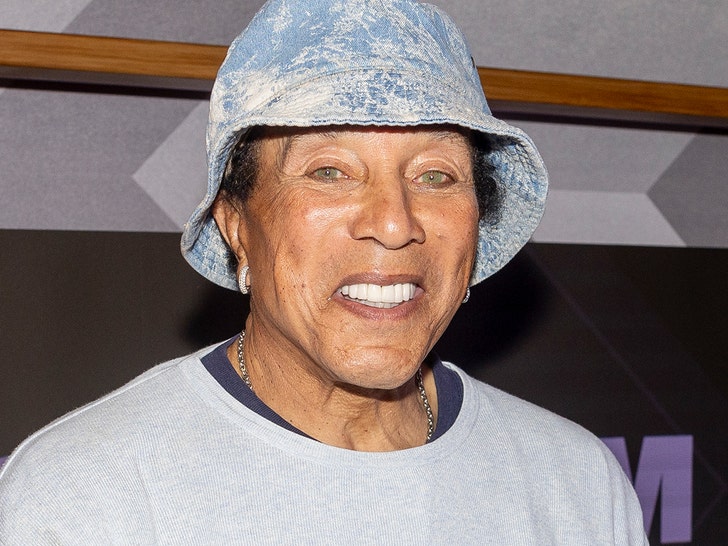
Smokey Robinson, the Motown legend behind “Tracks of My Tears,” just scored a tactical win in court – not on guilt or innocence, but on cell phones.
According to a recent report citing Los Angeles court documents, a judge granted Robinson’s request that his four anonymous accusers turn over their phones within 10 days. The women, all identified as Jane Does, have sued him for sexual battery, assault, false imprisonment, and gender violence, saying they previously worked as housekeepers for Smokey and his wife, Frances Gladney Robinson.
Robinson’s legal team argued in filings that they were worried data was being deleted and that the women weren’t cooperating with earlier requests for phone records. The judge sided with him on this specific discovery fight and ordered the physical devices handed over.
Smokey Robinson Accusers Ordered To Turn Over Cell Phones https://t.co/RJSvOSYdi0 pic.twitter.com/BI100delvb
— TMZ (@TMZ) December 6, 2025
Robinson has publicly denied the accusations before, brushing them off as false in an airport video interview earlier this year. The civil case, however, is very much alive – and this phone order is just one skirmish in a much bigger war.
The Take
I know: another headline about a beloved music icon, another stack of allegations, and now we’re talking about whose texts get handed to whom. It’s exhausting – and that’s exactly the point. This is where modern celebrity scandals really live now: in the phone logs.
The judge telling the accusers to surrender their phones might sound dramatic, but in civil lawsuits, this kind of thing is basically the new “turn over your diary.” Both sides usually want it. Both sides usually hate it. And nobody comes out feeling like their privacy survived.
Still, let’s be clear: this ruling is a procedural win for Smokey Robinson, not a verdict on the truth. Think of it like winning the coin toss before the game. Helpful? Yes. Game over? Not even close.
What makes this sting, culturally, is who we’re talking about. Robinson isn’t some flash-in-the-pan reality star. He’s 85, a core pillar of American music history. For a generation that slow-danced to his songs, the idea that his name is now sitting in the same sentence as “sexual battery” and “gender violence” is a hard mental pivot.
On the other side, you’ve got four women who say they were housekeepers – not starlets, not aspiring influencers, just workers in a famous household. That uneven power dynamic is exactly what the last decade of #MeToo conversations has been about. The phones become the battleground for whose story – and whose memory – gets believed.
If the data on those devices lines up with their claims (texts with friends, messages about shifts, complaints, anything that establishes timelines), it could strengthen their case. If the phones show gaps, contradictions, or evidence that supports Robinson’s version of events, that helps him. The truth is, neither side knows exactly what the full digital trail will look like once experts get in there.
And here’s the uncomfortable reality: with these late-in-life allegations against older icons, we’re in a culture split. One camp says, “Protect the legends.” Another says, “No one is above accountability.” The courts, meanwhile, are over here arguing about iPhones and data retention like a very expensive family group chat gone wrong.
Receipts
Confirmed:
- A civil lawsuit has been filed by four Jane Does accusing Smokey Robinson of sexual battery, assault, false imprisonment, and gender violence, saying they worked as housekeepers for him and his wife. This comes from publicly described court filings in Los Angeles County.
- A judge recently granted Robinson’s request that the anonymous accusers turn over their phones within a set deadline, according to a December 5, 2025 report from a major entertainment news outlet that cites court documents.
- Robinson has publicly denied the accusations and previously called the claims false in an on-camera airport interview shared by the same outlet earlier this year.
Unverified / Alleged:
- The specific conduct described by the Jane Does remains alleged. None of the claims have been proven in court, and there has been no criminal conviction related to these accusations.
- Robinson’s concern that the accusers were deleting data from their phones is described in his legal filings; whether any deletions actually occurred has not been determined in open court as of this writing.
Sources (plain language): publicly available civil case filings in Los Angeles County Superior Court; December 5, 2025 reporting and earlier airport video interview from a widely read entertainment news outlet that summarized the court order and Robinson’s denial.
Backstory (For Casual Readers)
If Smokey Robinson is more “oldies station” than household name in your world, here’s the quick rewind. He was a key architect of the Motown sound in the 1960s as lead singer of The Miracles and later as a solo star, with hits like “The Tracks of My Tears” and “Cruisin’.” He’s in the Rock & Roll Hall of Fame and has spent decades with a near-saintly public image – charming, soft-spoken, and always presented as the gentleman of Motown.
The civil lawsuit from the four former housekeepers landed like a thunderclap because it goes against that carefully built image. No criminal charges have been announced in connection with these particular allegations; this is a civil case, which uses a lower standard of proof (“more likely than not”) than a criminal case (“beyond a reasonable doubt”).
What’s Next
Short-term, the focus will be on those phones. Once they’re turned over, expect digital forensic experts (think: very patient people in glasses) to pull texts, call logs, photos, and metadata that might support or undercut each side’s story. The same expectation generally applies to the defendant too – discovery is rarely a one-way street, even if this latest ruling happens to favor Robinson.
We’re likely to see:
- More motions and fights over evidence – both sides can argue about what’s relevant and what’s too invasive.
- Depositions – sworn questioning of Robinson, his wife, the accusers, and possibly staff or friends who were around during the time in question.
- Possible settlement talks – many civil cases end in confidential settlements, especially when a high-profile name is involved and everyone wants to avoid a drawn-out public trial.
For the rest of us, this is yet another reminder that the “legend” version of a celebrity and the “lawsuit” version can coexist, uncomfortably, for a long time. We don’t have to pretend we know what happened inside someone else’s home – but we also don’t get to ignore the accusations just because the soundtrack is nostalgic.
What do you think? When serious accusations hit a beloved icon this late in their career, do you find yourself leaning more toward giving them the benefit of the doubt, or waiting for whatever evidence the courts uncover?














































































Comments