


The Moment
Steven Bartlett, the 33-year-old entrepreneur and Dragons’ Den star, is learning the hard way that there’s a thin line between “thought-provoking” and “what on earth did you just say?”
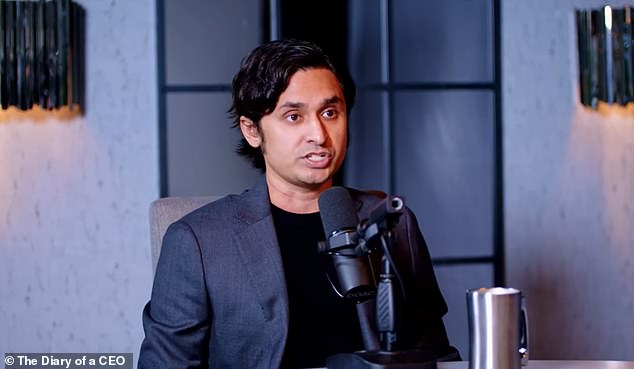
A recent episode of his hugely popular podcast, Diary of a CEO, featuring psychiatrist and streamer Dr Alok Kanojia, has blown up online after Bartlett floated the idea that society might need to “intervene” to make sure lonely, resentful men – often called incels (involuntary celibates) – end up with partners.
In the clip doing the rounds, Bartlett warns of “a lot of men who are disillusioned” and then asks whether society should “put systems in place to make sure that those men meet partners”. The internet heard that as: state-sponsored girlfriends for angry men. Shockingly, women did not love this.
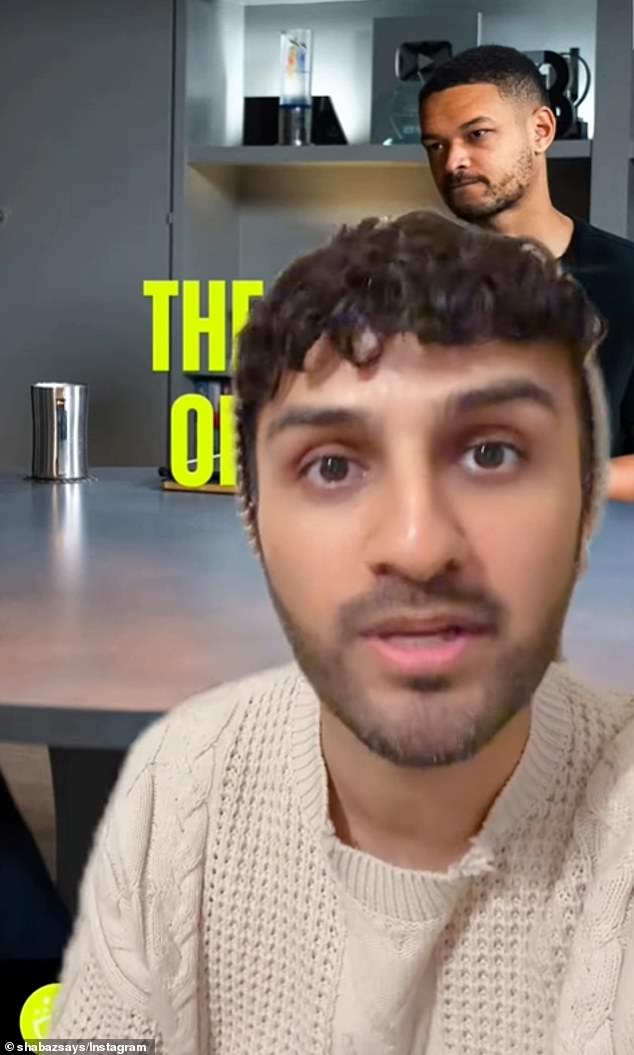
Content creator Shabaz Ali posted a blistering (and funny) breakdown of the podcast’s recent direction, joking it should be renamed “Therapy for Men, sponsored by Women Ruin Society”. He argues the show has drifted from business and healing into a soft-focus blame-fest for women, echoing talking points from the online “manosphere” with “no pushback, no what’s your evidence?”
His critique has been widely liked and shared by celebrity followers. According to UK coverage of the flap, TV and radio personalities including Sara Cox, reality star Vicky Pattison, presenter Ulrika Jonsson, and former Strictly pro Oti Mabuse have signaled support for the criticism, either by engaging with Ali’s post or publicly agreeing with its sentiment.
Layer this over previous criticism of the show’s health content – including guests claiming keto diets can treat cancer and that Covid vaccines are a “net negative”, with minimal challenge from Bartlett – and the backlash starts to look less like a one-off storm and more like a weather pattern.
The Take
I’m all for men talking honestly about loneliness and mental health. That conversation matters. But there’s a difference between asking tough questions and casually workshopping dystopian dating schemes like you’re spitballing a new app.
What’s rubbing so many people the wrong way isn’t just Bartlett’s “should society intervene so incels get partners?” thought experiment. It’s the vibe: calm lighting, soothing voice, and then out of nowhere, a guest saying modern feminism is why birth rates are falling, or that dating is broken because women “have standards now” – with Bartlett nodding along like he’s just heard the secret to compound interest.
As Ali puts it, the show is starting to feel like a Trojan horse: not the loud, shouty, Andrew Tate-style misogyny, but something that looks like therapy and self-improvement while feeding the same old narrative that women are the problem. It’s misogyny in a cashmere sweater.
And this is where Bartlett’s brand works against him. He’s built himself as the reflective, “I’ve done the work” entrepreneur who turned trauma into a 300 million success story. That aura of wisdom makes it more dangerous when dodgy ideas go largely unchallenged on his platform – whether it’s gender politics or health misinformation.
Think of it like this: Bartlett keeps insisting he’s just “hosting the conversation”. But when you keep inviting the same type of guests to say the same type of things, and you rarely push back, you’re not a neutral host. You’re the maitre d’ at the restaurant. Eventually, people will decide they like what’s on the menu.
Men’s loneliness is real. Men’s mental health is real. But so are women’s safety, bodily autonomy, and the basic right not to be treated as emotional support animals for the angriest corners of the internet. If Bartlett really wants to be part of the solution, he has to stop serving both sides of the culture war while pretending he’s just topping up everyone’s water glasses.
Receipts
Here’s what’s actually on record so far:
- Confirmed: In a recent episode of Diary of a CEO with Dr Alok Kanojia, Bartlett discussed the “male loneliness epidemic” and asked whether society should “put systems in place to make sure that those men meet partners”. This exchange is visible in widely shared clips and was described in a UK tabloid report on January 21, 2026.
- Confirmed: Content creator Shabaz Ali posted a critical video in January 2026, joking the show should be renamed “Therapy for Men, sponsored by Women Ruin Society” and accusing the podcast of platforming manosphere-style ideas without sufficient challenge. His video is public on his social channels.
- Confirmed: Celebrity figures including Oti Mabuse and, per UK coverage, broadcasters Sara Cox, Vicky Pattison, and Ulrika Jonsson interacted positively with or echoed Ali’s critique, contributing to the backlash narrative.
- Confirmed: A previous BBC World Service investigation examined health claims made on Diary of a CEO, including guests suggesting keto diets could treat cancer and calling Covid vaccination a net negative. Medical experts interviewed criticised these claims as misleading and said they were broadcast with “little to no challenge” from Bartlett.
- Confirmed: Bartlett has spoken publicly about building his media company, Steven.com (which includes agency Flight Story), aiming to create the “Disney of the creator economy”, with valuations reported in the hundreds of millions of pounds.
- Confirmed (Personal Life): In late 2025, Bartlett shared on Instagram that he became engaged to his long-term partner Melanie Lopes, describing how he flew to Morocco to surprise her on Christmas Day and asked her parents’ permission before proposing.
- Unverified / Alleged: An ex-colleague has accused Bartlett of “dishonesty” at the heart of his business empire. This is an allegation reported in the press; no court finding or independent public investigation confirming that claim has been made.
- Unverified: Broader claims about Bartlett personally “whipping up” misogynistic sentiment are opinion and interpretation from critics and commentators, not established legal or scientific facts.
Backstory (For Casual Readers)
If you’re not living on LinkedIn or business TikTok, here’s the quick download. Steven Bartlett moved to the UK from Botswana as a child, dropped out of university at 18, and co-founded the social media marketing agency The Social Chain. That company later floated with a valuation reported around 300 million, turning him into a poster boy for self-made digital success.
In 2017, he launched Diary of a CEO, which has grown into a massively successful podcast, pulling in millions of listens and views a day and attracting CEOs, celebrities, and self-help gurus. In early 2022, he joined the BBC’s Dragons’ Den as its youngest ever Dragon, cementing his status as Britain’s favourite hoodie-wearing millionaire.
But with that rise has come scrutiny: criticism of how he presents his rags-to-riches story, media investigations into the accuracy of high-profile health episodes, and now a fresh backlash over what many see as a pattern of gently packaged, woman-blaming narratives.
What’s Next
This moment could go one of two ways for Bartlett.
He can double down – frame the outrage as proof that he’s “just asking hard questions” and keep inviting guests who tell lonely, frustrated men that feminism ruined everything. That will keep a certain slice of his audience very happy, but it comes with reputational risk, especially with mainstream TV work and big-brand advertisers in the mix.
Or he can treat this as a flashing warning light on the dashboard. That would look like: stronger editorial standards for health content, visible pushback when guests bash women or recycle debunked stats, and a broader range of voices – including women and experts on gender-based violence – when he tackles topics like incels and male loneliness.
For now, there’s no widely reported, detailed public apology or full-length response from Bartlett addressing this specific “societal intervention” clip and the misogyny concerns tied to it; the coverage has focused more on the uproar than on any sustained rebuttal.

In the background, he’s still planning a wedding, still taping his podcast, and still positioning his media company to dominate the influencer economy. The question is whether he wants to be remembered as the guy who helped men get emotionally healthier – or the guy who turned self-help into a spa day for the manosphere.
Sources
Key details in this piece are drawn from: publicly available episodes and clips of Diary of a CEO; social media posts by Shabaz Ali (January 2026); a January 2026 UK tabloid report on the celebrity backlash; Bartlett’s own Instagram engagement announcement (late 2025); and a BBC World Service investigation into health claims on the podcast (2023).
Over to you: Do you think Steven Bartlett’s podcast is genuinely helping men, or has it slipped into softly spoken misogyny disguised as self-improvement?























































Comments