

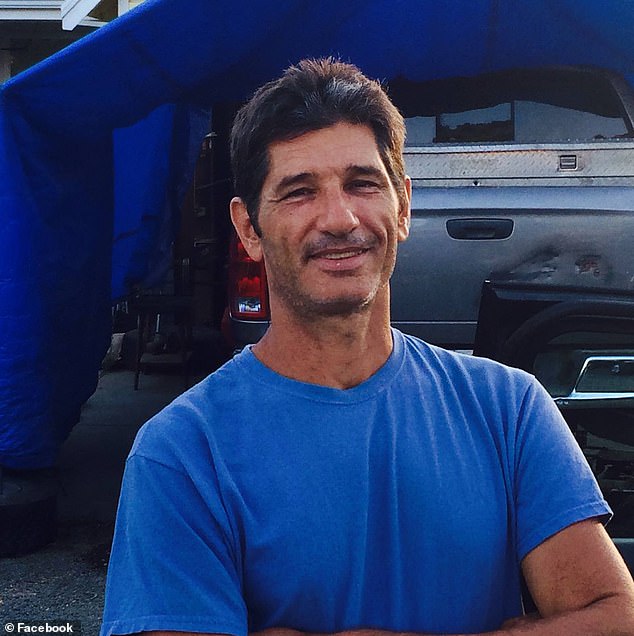
The Moment
A man who spent his life chasing perfect waves died in the kind of place people put on vision boards.
Kurt Van Dyke, 66, a respected California-born surfing figure, was found dead in his home near Hone Creek on Costa Rica’s Caribbean coast. According to a recent English-language report citing Costa Rican police, two armed intruders allegedly broke into the beachside apartment he shared with his 31-year-old girlfriend on a Saturday morning.
Van Dyke was later discovered under the bed with signs of asphyxiation and multiple stab wounds, with a knife found nearby. His girlfriend, identified in reports only by her surname, Arroyo, was allegedly tied with zip-ties, beaten, and left as the attackers fled in the couple’s car.
Local authorities have not publicly announced any arrests or named suspects. Van Dyke’s brother, Peter, speaking from the family ranch in Gilroy, California, said investigators appeared serious and methodical but were still piecing together what happened.
From his perspective, this wasn’t some surf feud gone violent. Peter believes his brother’s killing is tied to a broader rise in crime in the nearby resort town of Puerto Viejo de Talamanca and across the region, and he describes the death as a likely robbery gone wrong.
Layer that over years of online traveler warnings about harassment, theft, and late-night danger in that same area, and you get a story that’s less about one hotel, and more about how we talk (or don’t) about “paradise” when tourism dollars are on the line.
The Take
I keep coming back to this: for some people, Puerto Viejo is the dream; for others, it’s the trip they warn their friends about for years.
On paper, Van Dyke was living the fantasy a lot of Americans quietly nurse while stuck on conference calls: sell up, move to a surf town, run a scruffy-but-iconic hotel, date someone decades younger, and grow old watching sunsets instead of spreadsheets.
But the details we’re seeing are the shadow side of that story. Van Dyke had owned Hotel Puerto Viejo in town for roughly four decades. Once a classic budget crash pad for surfers, it now draws very mixed reviews online. Some travelers describe it as cheap and atmospheric; others call it dirty, unsafe, and claim the scene includes open drug use, sex work, and “sketchy” characters drifting in and out.
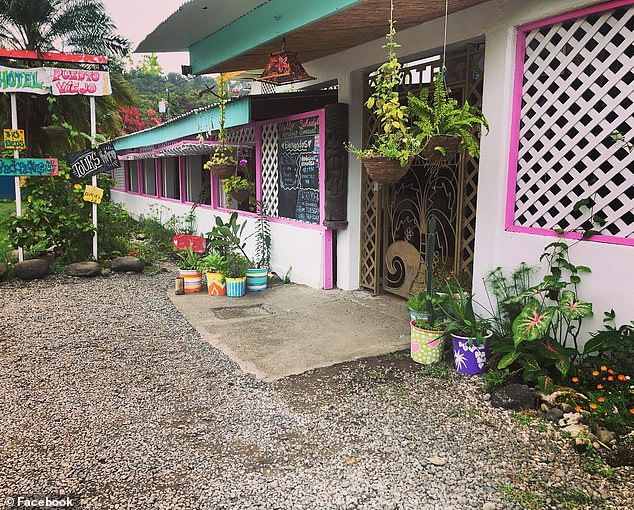
Those are individual impressions, not court documents. Still, taken together with reports of assaults, robberies, and women describing being followed in the streets, it paints a picture that doesn’t match the glossy tourism boards and dreamy expat Instagram feeds.
The analogy that fits here? It’s like buying the Instagram version of a house based only on the real estate listing photos. No mention of the mold, the loud neighbors, or the fact that the front door lock barely works. The fantasy is technically real, but so is everything just outside the frame.
None of this means Costa Rica is suddenly “too dangerous” to visit, or that Puerto Viejo is uniquely cursed. Lots of people go, surf, dance all night, and come home with nothing worse than a hangover and some bug bites. Crime exists everywhere, especially in fast-growing tourist zones where money, partying, and inequality collide.
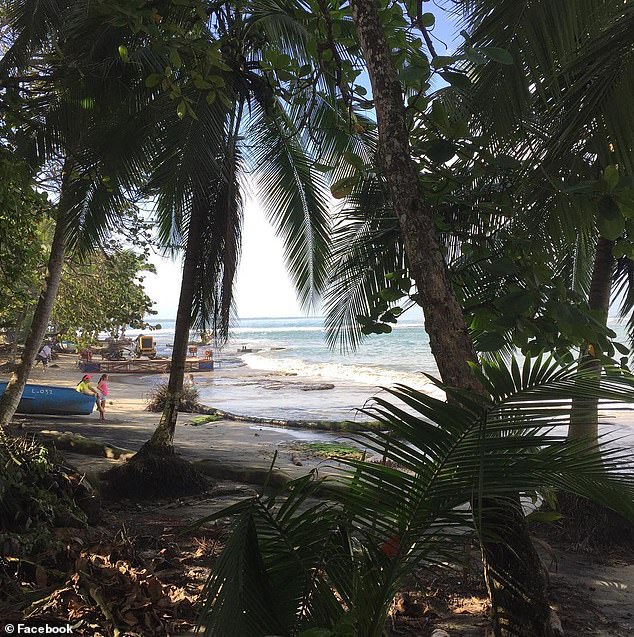
But Van Dyke’s killing forces a harder conversation: when we market “paradise” to tourists and expats, who’s responsible for telling the whole truth? Local governments? Hotel owners? Influencers cashing in on clicks? Or the travelers who sometimes ignore red flags because the flights are cheap and the water is turquoise?
What we do know is that a man who helped shape surf culture, from Santa Cruz to the Caribbean, died violently in the place he chose as his forever home. The least we can do is look at that honestly, without romantic filters or knee-jerk fearmongering.
Receipts
Confirmed (per recent reporting citing Costa Rican police, public records, and family statements)
- Kurt Van Dyke, 66, a longtime surfer with deep roots in Santa Cruz, California, was killed in his home near Hone Creek on Costa Rica’s Caribbean coast.
- Police sources quoted in that report say two armed men allegedly entered the home, and Van Dyke was later found under the bed with signs of asphyxiation and stab wounds, with a knife recovered at the scene.
- His girlfriend, a 31-year-old woman identified as Arroyo, was reportedly bound with zip-ties, beaten, and left alive as the attackers fled in the couple’s Hyundai Elantra.
- Authorities have not publicly identified suspects or announced arrests; the investigation is ongoing.
- Van Dyke had owned and run Hotel Puerto Viejo in the nearby town of Puerto Viejo de Talamanca for about four decades, after buying it from a previous owner in the 1980s.
- He came from a prominent surfing family: his father, Gene, was considered a pioneer in the sport, and his mother, Betty, encouraged women to surf in the 1950s and 60s.
- Friends and relatives have posted public tributes on social media, remembering him as “King” in the water and sharing condolences with the Van Dyke family.
Unverified, Anecdotal, or Opinion
- Claims that cartel members or criminals displaced from other Latin American countries are specifically responsible for Van Dyke’s killing come from his brother’s personal assessment and have not been confirmed by law enforcement.
- Descriptions of Puerto Viejo and Hotel Puerto Viejo as filled with drugs, sex work, or “strange people floating around” are based on anonymous traveler reviews and should be treated as individual experiences, not official findings.
- Broader narratives about a major nationwide “crime wave” in Costa Rica are not backed by comprehensive crime statistics within the reporting we’ve seen; they reflect the fears and perceptions of some locals and visitors.
An American surfer was murdered during a burglary at his home near a popular beach town in Costa Rica, authorities revealed
Read more ⤵️https://t.co/IQVxxVTbax pic.twitter.com/ajwV13jwGW
— The Telegraph (@Telegraph) February 17, 2026
Backstory (For Casual Readers)
If Van Dyke’s name rings a faint bell, it’s because he was part of California surf royalty. Raised in a family that helped build the modern surfing scene, he grew up near Santa Cruz and was reportedly gifted his first board at age seven. In the early 1980s, he did what a lot of surfers just daydream about and moved to Costa Rica, drawn to the heavy, hollow waves at a break called Salsa Brava on the Caribbean side.
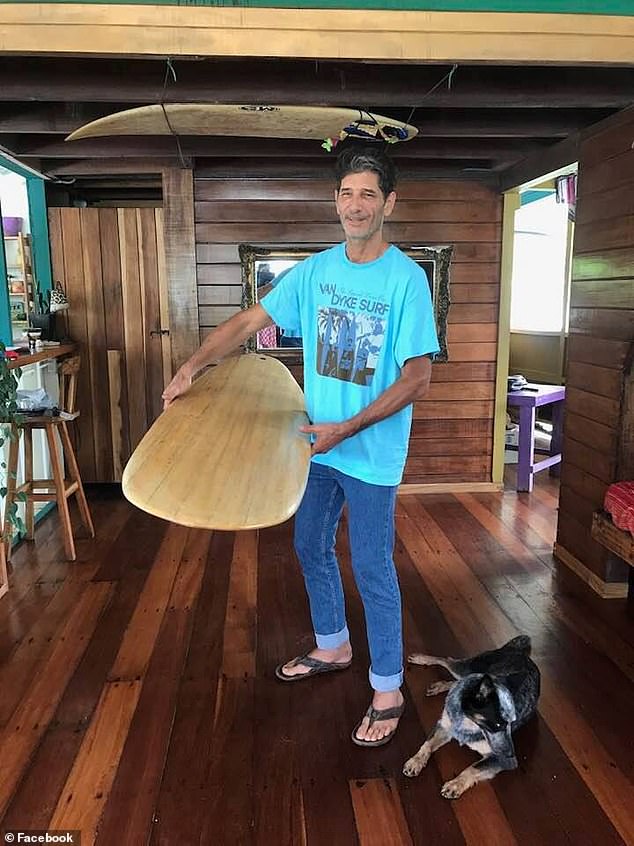
Over time, he became a local fixture, earning the nickname “King” in the water and buying Hotel Puerto Viejo, which catered to generations of backpackers and surfers. Meanwhile, back in California, the Van Dyke family kept running their longtime ranch in Gilroy, tying agriculture and surf culture together in one very specific American story.
What’s Next
On the ground in Costa Rica, the priority is the criminal investigation. Police will be under pressure from both locals and the international surf community to solve a killing that has already rattled a town economically dependent on foreign visitors.
Expect more details on:
- Forensic findings and the official cause of death once authorities complete a full autopsy report.
- Any public updates from Costa Rican prosecutors about suspects, motives, or potential charges.
- How, or if, officials in Limon province and national tourism authorities respond to renewed worries about visitor safety.
- Further statements from Van Dyke’s family, especially around memorials, the future of Hotel Puerto Viejo, and whether they push for policy changes or safety reforms.
For travelers and would-be expats watching from home, this story lands right in the middle of a bigger trend: people fleeing high U.S. costs for “cheaper paradise” abroad, often with a lighter understanding of local realities and risks than they’d demand in their own hometowns.
It doesn’t mean we all need to cancel beach dreams and hide under weighted blankets. But it might be time to interrogate the sales pitch. Read the unflattering reviews, talk to women who’ve actually walked those streets at night, and check neutral resources like government travel advisories instead of trusting one pretty reel.
Kurt Van Dyke earned his legend status in the water long before hashtags and hotel star ratings. The way he died now forces us to look more critically at the paradise myth he chased, and that so many of us still buy into.
Over to you: when you hear a story like this, does it change how you think about “living the dream” in a far-off beach town, or do you see it as a tragic but rare exception?
Sources: February 18, 2026, English-language investigative report on Kurt Van Dyke’s death in Costa Rica, citing Costa Rican police, hotel records, and interviews with his brother and other family members; public social media tribute posts from friends and relatives shared in February 2026.











































































Comments