

The Moment
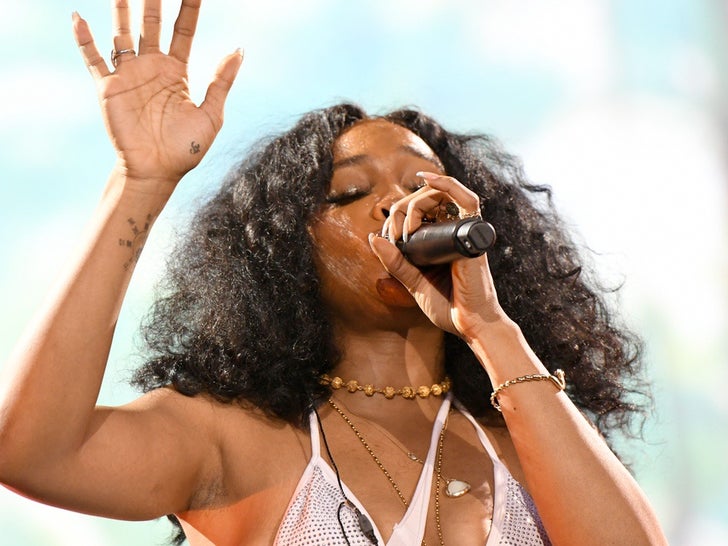
Pop powerhouse SZA just found out her music was used to sell a political message she clearly wants no part of – and she lit into the White House over it.
According to an entertainment news report, the White House posted a video on its official X account promoting the work of Immigration and Customs Enforcement (ICE). The clip reportedly showed armed agents gearing up and detaining immigrants, set to SZA’s song “Big Boy,” with a caption playing on her lyric about it being “cuffing season.”
The caption, per that report, went something like: “We heard it’s cuffing szn. Bad news for criminal illegal aliens. Great news for America.”
SZA, who did not sign up to be the soundtrack to an ICE brag reel, allegedly fired back on X, blasting the move as “rage baiting artists for free promo” and calling it “PEAK DARK ..inhumanity + shock and aw tactics .. Evil n Boring.”
When asked for comment, a White House spokesperson, Abigail Jackson, didn’t clap back. Instead, she thanked SZA – yes, thanked – saying the singer was just helping draw more attention to ICE’s “tremendous work” arresting “dangerous criminal illegal aliens.”
The White House responds after SZA slammed them for using her song in a pro-ICE ad, calling the ad “evil” and “boring.”
“Thank you, SZA, for drawing even more attention to the tremendous work America’s ICE officers are doing by arresting dangerous criminal illegal aliens in… pic.twitter.com/K2qLzWa2ZE
— Variety (@Variety) December 11, 2025
So we now have: the White House using a hit song to hype ICE, the artist calling it evil and boring, and the administration smiling sweetly in response like it’s all free marketing. Welcome to politics in 2025.
The Take
I’ll say it plainly: this is what it looks like when politics treats culture like a prop, and artists finally say, “Absolutely not.”
On one level, the White House move is textbook: grab a song people love, glue a tough-on-immigration message to it, and hope the vibes do the work. On another level, it’s weirdly tone-deaf to assume the artist will just swallow it – especially an artist like SZA, whose fan base skews young, socially aware, and very online.
SZA’s response wasn’t polite, and that’s the point. She framed it as rage bait – the idea that the administration expected backlash and wanted it, because any attention pushes their message further. Whether or not that was the intent, the White House’s sugary “thank you” absolutely plays into that reading. It’s like grabbing someone’s diary, turning a page into a campaign flyer, and then thanking them for the free stationery when they scream.
There’s also the long-running tug-of-war over music and politics. Bruce Springsteen didn’t want Ronald Reagan using “Born in the U.S.A.” Tom Petty’s estate told the Trump campaign to back off. This tension isn’t new. What is new is how fast it moves – one government video, one furious artist, one smug quote back – and suddenly you’re in a full-blown culture clash before breakfast.
And let’s not pretend the ICE angle is neutral. Footage of agents rounding people up – tied to a breezy “cuffing szn” joke – is a very specific type of message about immigration and power. If your face and your lyrics are being used to score that moment, and you never consented, “evil and boring” might actually be the mild version of what you want to say.
To me, this dust-up is less about manners and more about ownership: Who controls the meaning of a song once it’s in the world? The artist who made it, or whichever political team grabs it fastest?
Receipts
Confirmed
- A celebrity news outlet reported that the official White House X account posted a pro-ICE video using SZA’s song “Big Boy,” with a caption joking about “cuffing szn” and targeting “criminal illegal aliens.”
- The same report included direct quotes attributed to SZA’s X post, where she called the tactic “rage baiting” and “PEAK DARK ..inhumanity + shock and aw tactics ..Evil n Boring.”
- White House spokeswoman Abigail Jackson was quoted thanking SZA for drawing more attention to ICE’s work with her criticism.
Unverified / Contextual
- We don’t yet have full public documentation of any formal legal action from SZA or her team over the use of her music.
- It’s not clear from public reporting whether the administration secured specific licensing for the song beyond any existing platform or blanket rights.
Backstory (For Casual Readers)
If you’re not living on TikTok and streaming playlists, a quick reset: SZA is a Grammy-winning R&B singer and songwriter whose 2022 album “SOS” turned her from critics’ favorite into household name. ICE, or Immigration and Customs Enforcement, is the federal agency that handles immigration enforcement inside the U.S., and has been politically explosive for years due to aggressive raids and detention practices.
“Cuffing season” started as a joke term for pairing up during the colder months so you’re not alone on the couch with Netflix. SZA helped mainstream the phrase for younger fans. The White House flipping that into “cuffing” immigrants for a law-and-order message is exactly the kind of clash between pop culture slang and hardline politics that sets social media on fire.
Historically, artists have pushed back hard when their music is used in a political context they don’t support. They may not always be able to stop it, depending on the license and the setting, but they can absolutely make noise about it – which is what SZA seems to be doing here.
What’s Next
The next beat to watch is whether this stays a one-day flare-up or turns into a longer fight over how the government uses popular music in its messaging.
Things to keep an eye on:
- SZA’s follow-up: Does she double down, clarify, or let the post speak for itself? A public statement from her team would tell us how serious this is behind the scenes.
- The White House strategy: Do they repeat this “kill ’em with kindness” approach if other artists complain, or does the backlash make them more cautious about which songs they reference?
- The fan response: SZA fans are passionate and vocal. If they see her music tied to immigration crackdowns, some may start demanding brands and institutions think twice before co-opting her work.
- Industry ripple effects: Labels, publishers, and artists’ reps may quietly start revisiting how their catalogs can be used in political communications on social platforms – especially when government accounts are involved.
For now, we’re left with a very 2025 image: a superstar calling a government video evil and boring, and the government thanking her for the promo. It’s polite on the surface, combative underneath – and a reminder that in the culture wars, even a throwaway caption about “cuffing szn” can land like a grenade.
What do you think: should artists have more power to block their music from being used in government or political messaging they don’t agree with?





















































Comments