


The man who terrified you in 1991 is now quietly admitting the movie helped terrorize a community in real life.
Actors doing damage control over old roles is nothing new. But when it’s the skin-wearing serial killer from Silence of the Lambs admitting the film helped vilify transgender people? That hits different.
Ted Levine, the character actor behind Buffalo Bill, is looking back 35 years later and saying out loud what LGBTQ+ advocates have been saying since the ’90s: this iconic thriller got some things very, very wrong. And he’s not hiding behind the old “it was a different time” shield.
The Moment
In a new interview with The Hollywood Reporter for the film’s 35th anniversary – as recapped by coverage published February 16, 2026 – Ted Levine acknowledges that parts of Silence of the Lambs don’t age well, especially around gender identity.
“There are certain aspects of the movie that don’t hold up too well,” he said, adding that after working with trans people and learning more, he now hears “some lines in that script and movie” as “unfortunate.”
Then he goes further. Levine says, “It’s unfortunate that the film vilified [transgender identity], and it’s f-king wrong. And you can quote me on that.” According to the interview, he also clarifies that he never played Buffalo Bill as gay or trans, but as “a f-ked up heterosexual man.”
Edward Saxon, who produced the movie alongside director Jonathan Demme, backs up the regret from the creative side. Saxon tells THR they were “really loyal to the book” and always saw Buffalo Bill as an “aberrant personality,” not gay or trans – but admits they “weren’t sensitive enough to the legacy of a lot of stereotypes and their ability to harm.” No malice, he says, just blind spots.
Reminder: this isn’t some cult VHS we’re talking about. Released on Valentine’s Day 1991, Silence of the Lambs became a global phenomenon and one of the few films to sweep the “Big Five” Oscars: Best Picture, Director, Actor, Actress, and Screenplay. Buffalo Bill’s infamous dance in the mirror is as baked into pop culture as Hannibal Lecter’s fava beans.
The Take
Here’s the tension: you can love a movie and still admit it did real harm. That’s where Levine seems to be landing – finally.
For decades, LGBTQ+ advocates – especially trans women – have pointed out the problem: when mainstream America barely knew what “transgender” meant, one of the few gender-nonconforming characters on screen was a mentally ill murderer who skinned women and wanted to “become” one. Even if the script tosses in a line about Buffalo Bill “not being a real transsexual,” audiences remember the images, not the nuance.
Levine’s defense of his own approach – that he played Bill as a deeply broken straight man – is believable from an actor’s-eye view. But the larger culture didn’t sit down with his intentions; it just absorbed the visual: feminine-coded, queered villain = danger. That imagery doesn’t stay trapped in the theater. It follows people into bathrooms, job interviews, and the side-eye on the street.
Intent doesn’t erase impact; it just explains how we got here.
To their credit, both Levine and Saxon are doing something we rarely see in Hollywood: naming the damage without making themselves the victim. No “cancel culture” tantrum. No “people are too sensitive now” speech. Just a late-in-life, “We missed it. That was wrong.”
Is it late? Absolutely. Trans advocates have been saying this since VHS tapes were still being rewound. But imagine how different the discourse would be if more stars from the ’80s and ’90s said, flat-out, “We blew this,” instead of insisting audiences “don’t get the joke.”
There’s also a bigger cultural angle here. For Gen X and older Millennials, Silence of the Lambs is a capital-C Classic – quoted at parties, parodied in comedies, referenced in prestige TV. When a film is that beloved, people get defensive about criticism. Levine punctures that defensiveness a bit. If the man who played Buffalo Bill can accept that parts of his legacy are toxic, it permits regular viewers to admit: yeah, we can retire the “tuck dance” impressions now.
This isn’t about banning the movie or pretending it didn’t change cinema. It’s about updating our lens. We don’t let our ’90s jeans tell us what to wear now; why should a 1991 understanding of gender be frozen in amber just because it came with Oscars?
Receipts
Confirmed:
- Ted Levine discussed Silence of the Lambs and transgender criticism in a new interview with The Hollywood Reporter, marking the film’s 35th anniversary, as summarized in coverage dated February 16, 2026.
- Levine is quoted as saying some lines in the script are “unfortunate,” that the film “vilified” transgender identity, and that this is “f-king wrong.” He states he played Buffalo Bill as a disturbed heterosexual man, not as gay or trans.
- Producer Edward Saxon says the filmmakers were loyal to Thomas Harris’s novel, viewed Buffalo Bill as an aberrant personality rather than gay or trans, and now regret not being more sensitive to harmful stereotypes.
- Silence of the Lambs was released on February 14, 1991, and won five Academy Awards: Best Picture, Best Director (Jonathan Demme), Best Actor (Anthony Hopkins), Best Actress (Jodie Foster), and Best Adapted Screenplay, according to Academy records.
Context / Framing (Not Direct Quotes):
- Some outlets are characterizing Levine’s comments as “denouncing” his role; what he clearly does is criticize aspects of the script and the film’s impact while still defending his own acting choices.
- Transgender activists and media critics have raised concerns about Buffalo Bill’s portrayal since the 1990s, especially around the association of gender nonconformity with violence; that long-running critique provides the backdrop for Levine’s new remarks.
Backstory (For the Casual Reader)
If you somehow missed it: Silence of the Lambs is the 1991 thriller where FBI trainee Clarice Starling (Jodie Foster) enlists jailed cannibal genius Hannibal Lecter (Anthony Hopkins) to catch another serial killer: Buffalo Bill, played by Ted Levine. Bill murders women, skins them, and is shown experimenting with feminine presentation – wigs, makeup, that infamous nude dance in front of the mirror.
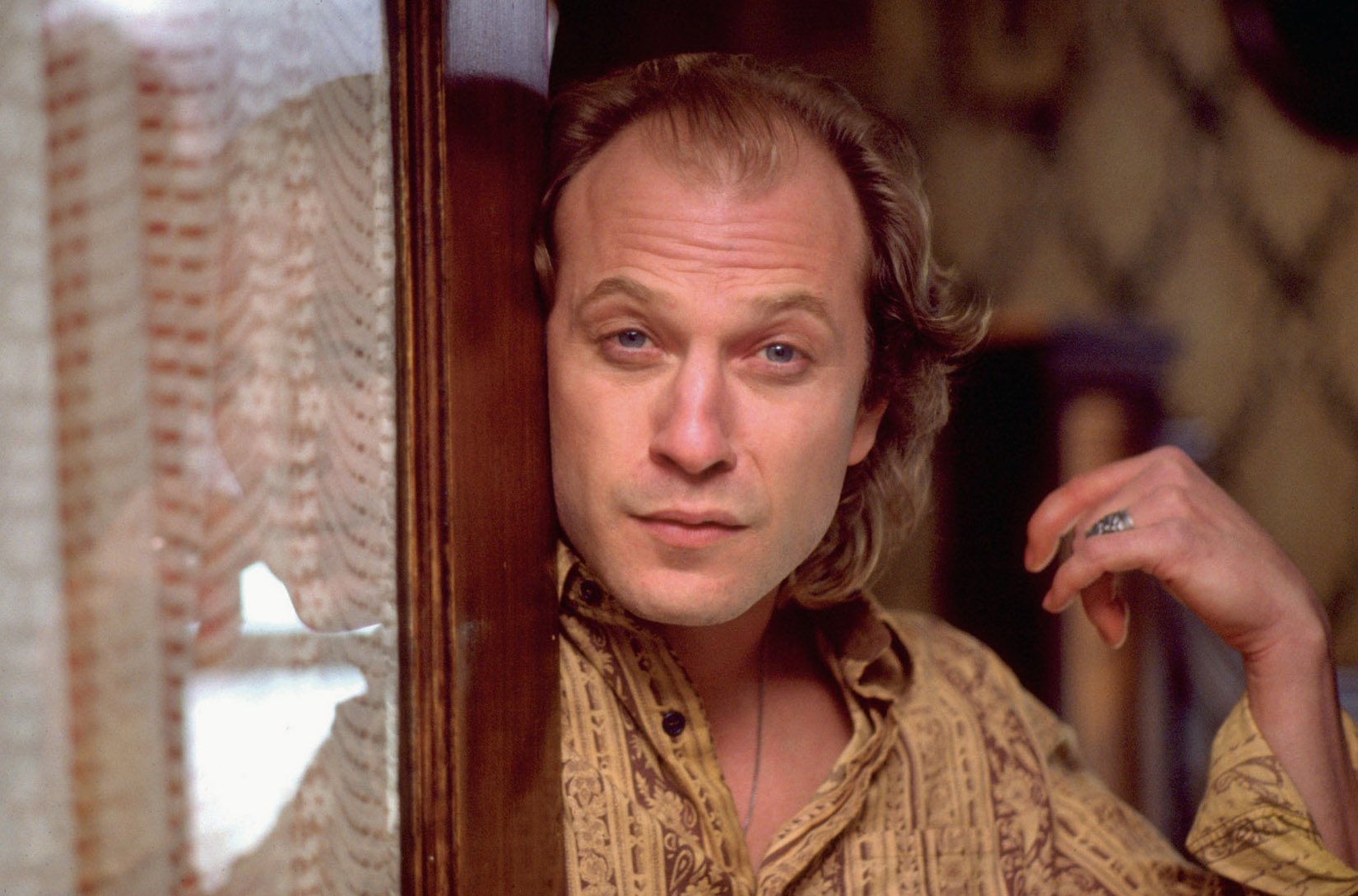
From the start, LGBTQ+ viewers flagged a problem: at a time when openly queer or trans characters were rare on screen, Hollywood once again served up a gender-bending villain as the face of deviance. The film does include dialogue insisting Bill isn’t a “real” trans person, but to many viewers – especially in 1991 – the takeaway was simple: gender nonconforming equals monstrous.
Over the years, members of the creative team have tried to clarify that they never intended Buffalo Bill to represent gay or trans people as a group. Now, with Levine and Saxon explicitly acknowledging the harm in 2026, the conversation is landing in a more honest place: you can respect the artistry, cite the awards, and still admit the story helped cement some very dark stereotypes.
Question: When a performance is iconic, but the messaging is harmful, do you think it’s enough for the people involved to apologize and contextualize it – or should Hollywood go further in how it platforms and celebrates that work today?







































































Comments