

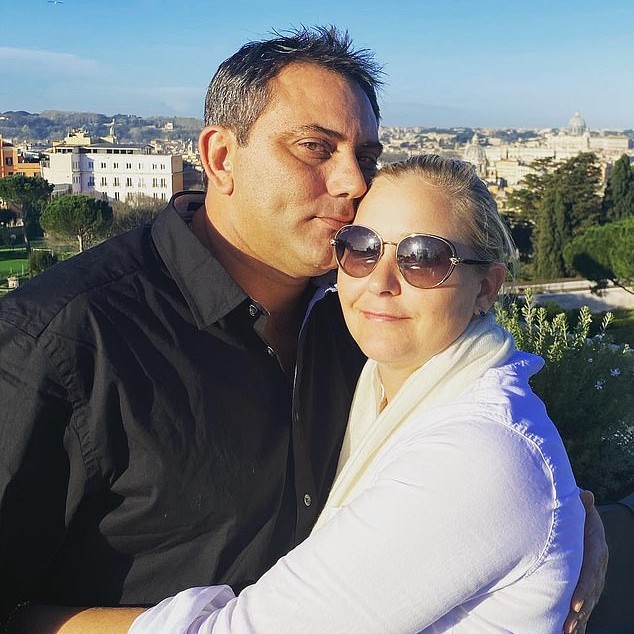
New Epstein-file documents drag a 2015 domestic violence call and a messy family estate fight into the spotlight, raising a harder question: how much of a survivor’s pain do we actually need to see?
Virginia Giuffre has already had her teenage trauma debated in courtrooms, on TV, and at every dinner table that ever uttered the name “Epstein.”
Now, because of a fresh batch of unsealed court records, we’re picking through her worst married night and her family’s grief like it’s bonus content from a true-crime series.
The Moment
According to unsealed court documents from a civil case between Giuffre and Ghislaine Maxwell, a 2015 police report from Fremont County, Colorado, has now been swept into the wider “Epstein files.”
In that report, a responding sheriff’s officer wrote that Giuffre accused her husband, Robert, of striking the family husky, then allegedly punching her repeatedly in the face and head when she intervened. The officer described bruising, blood on her clothing, and red marks near her collarbone, noting she was quiet, distant, and initially reluctant to explain her injuries.
The report further states that she later told police he choked her, that fluid mixed with blood began seeping from her ear, and that he allegedly grabbed a 9mm pistol, cocked it, put it in his own mouth, and tried to get her to pull the trigger. Officers say they seized a handgun, a knife, and large quantities of ammunition from the home. Court records cited in the reporting indicate he ultimately received a $500 fine and about $300 in court costs.
That alone is disturbing enough. But the same universe of filings and testimonies now being reported on sketches an even darker aftermath: Giuffre’s reported suicide at a farm property near Perth, Australia, and a bitter legal fight over her multi-million-dollar estate between her husband, her adult sons, and people who cared for her in her final months. Those later claims rest on recent documents and witness statements and, like any ongoing estate case, are still playing out in legal time.
The Take
I keep circling back to one question: how much “transparency” do we actually want when the cost is watching a survivor’s private life disintegrate on paper?
The public justifies gawking at these files because they orbit Jeffrey Epstein, the serial sex offender whose crimes were hidden by money, power, and secrecy. Unsealing his world feels like justice. But in practice, a lot of the oxygen right now is going to her – her marriage, her injuries, her finances, her death.
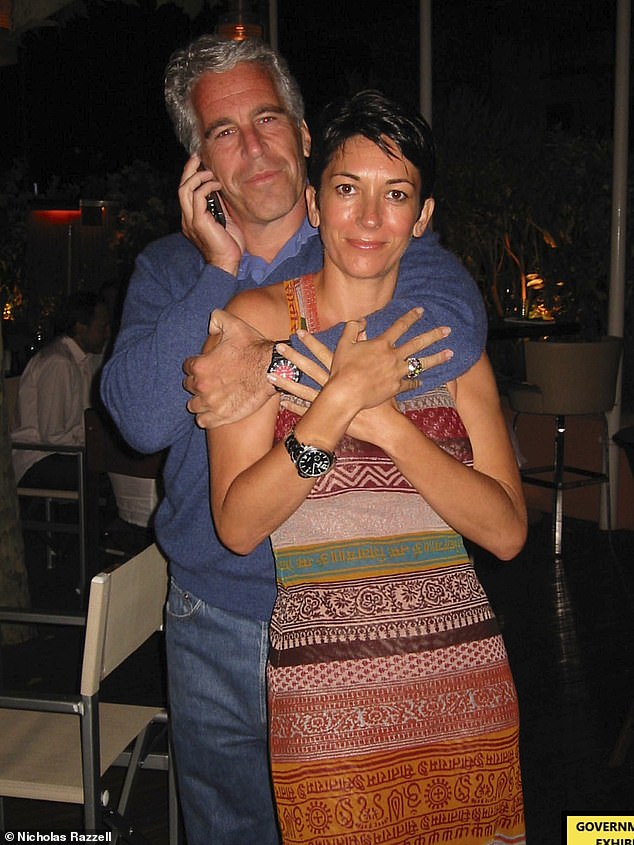
We’re not just exposing a predator’s system. We’re strip-mining a victim’s life.
Survivors don’t stop being human just because their story went viral.
The 2015 police report is being passed around like a plot twist: the dog, the punches, the gun in the mouth. The dramatic details are tailor-made for social media outrage cycles. But sit with it a minute. This is a woman who was trafficked as a teenager, exploited by powerful men, and then turned into a symbol of courage. Symbols don’t get messy marriages, PTSD, or terrifying nights in small-town Colorado. People do.
There’s also a nastier undercurrent: every time new, painful details leak, someone uses them to attack her credibility. She’s too emotional, too complicated, too troubled, too something. As if surviving trafficking, suing a prince, and then living through domestic violence somehow makes her less believable, not more.
Culturally, we still want “perfect victims” – poor, pure, grateful, quietly resilient. Giuffre never played that role. She took settlements. She did the interviews. She named names. She tried to reclaim some power. And now these unsealed records invite a familiar backlash: the idea that her suffering is a kind of public utility we’re all entitled to audit.
The other uncomfortable truth here is about money. The reported tens of millions from Prince Andrew, Epstein, and Maxwell have been framed as a happy ending: she got paid, story closed. The reality on these pages is uglier. Money didn’t shield her from an allegedly violent spouse. It didn’t ward off mental health struggles. It certainly didn’t keep her family out of a courtroom, fighting over who should get what after her reported death.
We love the fantasy that a big settlement heals everything. These files say otherwise. At best, money gave her options and leverage; it did not give her peace.
So yes, unsealing Epstein-related material matters – for accountability, for understanding how abuse networks operated, for preventing the next version. But hauling every 911 call and marital meltdown into full view isn’t the same as justice. Sometimes it’s just voyeurism dressed up as civic duty.
Receipts
Confirmed or strongly documented:
- Giuffre has long said she was trafficked as a teenager by Jeffrey Epstein and Ghislaine Maxwell; her accounts appear in sworn court filings and were central to multiple civil cases.
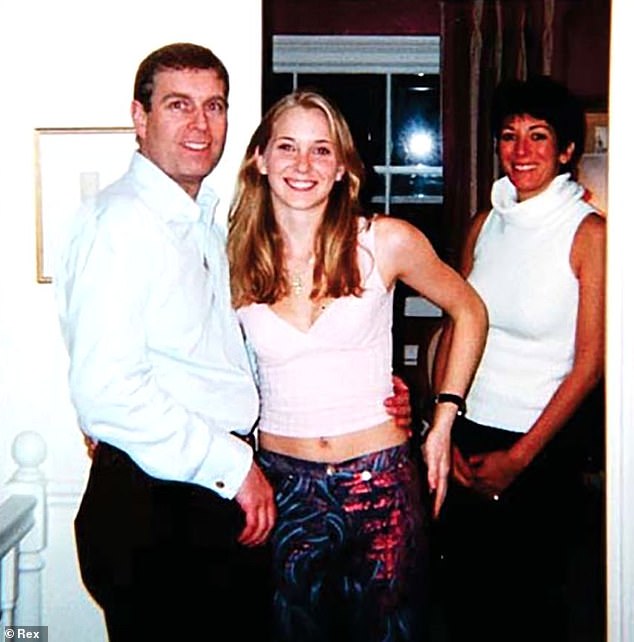
- A 2001 photo showing Giuffre alongside then-Prince Andrew and Maxwell has been referenced repeatedly in legal documents and public interviews.
- In 2022, Prince Andrew and Giuffre reached a financial settlement in her civil lawsuit; court records confirm the case was resolved without a trial, though exact figures remain subject to confidentiality.
- Unsealed court documents from a civil case between Giuffre and Maxwell include a 2015 Fremont County, Colorado, sheriff’s report describing alleged domestic violence by her husband, the injuries observed, and the seizure of a firearm and ammunition.
- Those court records indicate Giuffre’s husband was ultimately fined $500 and ordered to pay additional court costs in connection with the incident.
Reported, contested, or still unfolding:
- Recent reporting based on legal filings and witness statements in Australia claims Giuffre died by suicide at a farm property near Perth, and that her husband, adult sons, and former caregiver are now in an inheritance dispute over an estate valued in the tens of millions. These matters are tied up in ongoing legal proceedings and have not been fully adjudicated.
- Specific payout figures – including references to approximately $24-25 million from Prince Andrew and several hundred thousand dollars from Epstein and Maxwell – come from reporting on confidential settlements and should be treated as approximate rather than fully verified numbers.
Backstory (For the Casual Reader)
If you only half-followed the Epstein saga, here’s the quick rewind. Virginia Giuffre, formerly known as Virginia Roberts, has been one of the most visible accusers in the entire scandal. She has said for years that Epstein and his longtime associate Ghislaine Maxwell groomed and trafficked her as a teenager, flying her around the world to serve powerful men. A now-famous 2001 photo of her standing beside Prince Andrew in a London townhouse became Exhibit A in a public reckoning over royal privilege and accountability.
Giuffre later brought a civil suit against Prince Andrew, accusing him of sexual abuse when she was underage; the case was settled in 2022, with Andrew denying wrongdoing but paying an undisclosed sum. She previously reached financial agreements with Epstein’s estate and with Maxwell after a defamation lawsuit. Through it all, she became a reluctant public figurehead – the survivor who wouldn’t back down, who forced the powerful into court or onto the record.
Now, with more court records surfacing, we’re seeing chapters of her story that were never meant for the front page: a violent night in Colorado, a cascade of firearms and ammunition cataloged by deputies, a fragile marriage, and, according to recent filings, a family fighting over what’s left behind. It’s not the clean, triumphant arc we like to assign to women who spoke up. It’s raw, unresolved, and painfully human.
What do you think – do these deeply personal details belong in the public record for the sake of full transparency, or have we crossed from accountability into exploitation?
And maybe that’s the real question for all of us: when a survivor’s life has already been cracked open for the sake of justice, where should we draw the line between necessary exposure and needless intrusion?
































































Comments