

The Moment
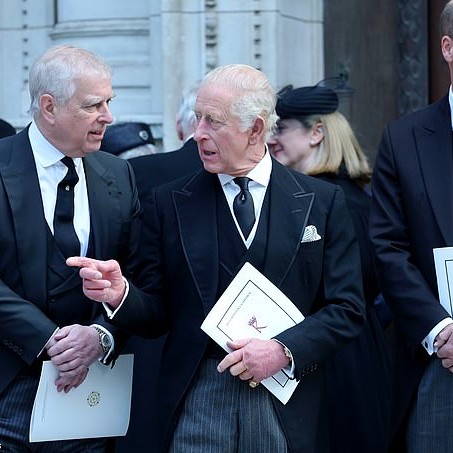
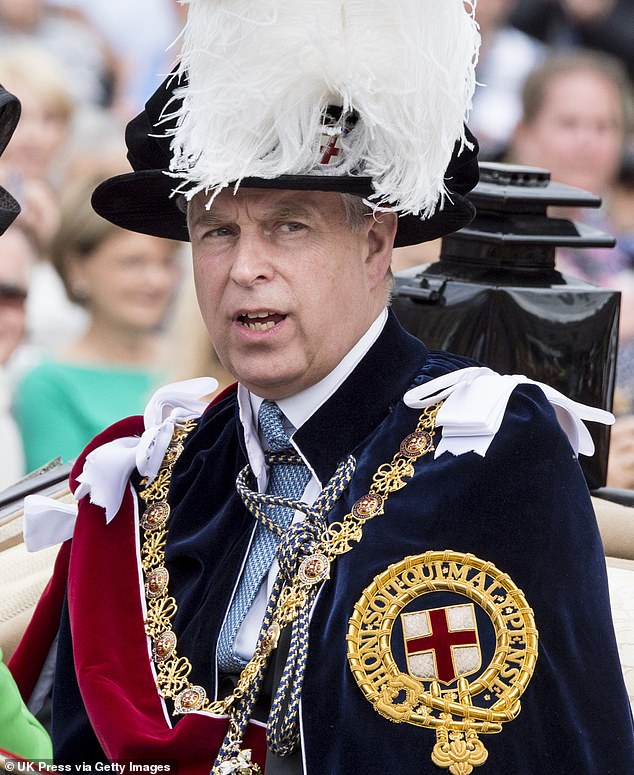
So, just when you thought the Prince Andrew saga had maxed out its drama quota, along comes a 2019 whistleblower email saying King Charles – back when he was still Prince of Wales – was warned that the Royal Family’s name was being “abused” by Andrew’s business ties.
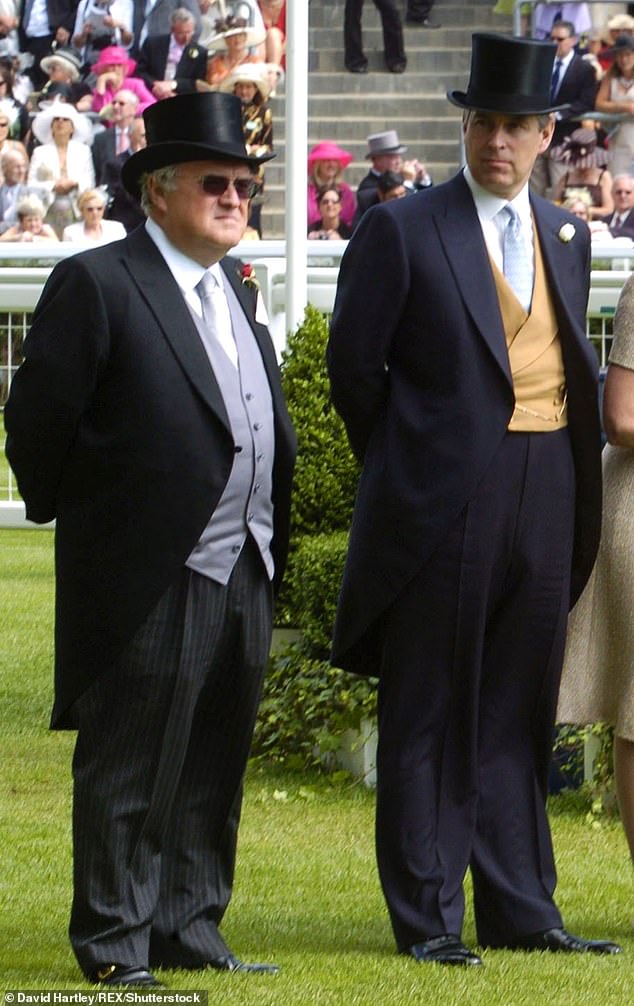
The message, sent via royal lawyers, allegedly laid out secret financial links between Andrew and millionaire financier David Rowland, plus claims that Rowland was trading on his royal access. The same cache of emails reportedly shows Andrew looping Rowland and his son into official trips while he was a taxpayer-funded trade envoy.
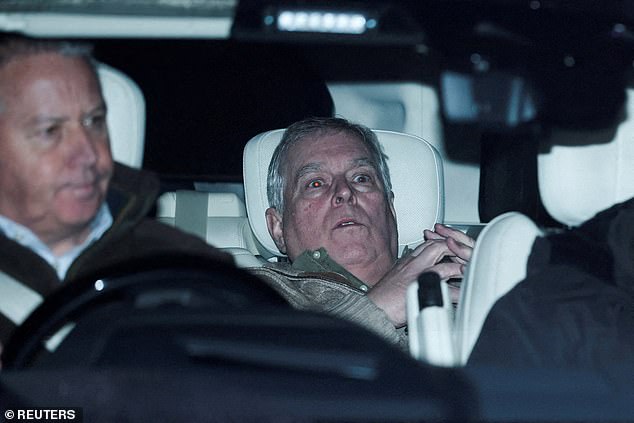
Fast-forward to now: Andrew has been arrested on suspicion of misconduct in public office over his time as trade envoy, questioned for around 11 hours, and released under investigation while police continue to gather evidence. Officers are reaching out to former and current protection officers, asking if they saw anything relevant during those years on duty.
Meanwhile, that 2019 email and its follow-ups don’t just throw shade at Andrew. They pull King Charles into the frame, at least on the question everyone’s quietly asking: Who knew what, and when did they know it?
The Take
I’m going to say the quiet part out loud: this isn’t just a “bad relative” problem anymore. It’s a brand management vs. accountability problem for the whole monarchy.
If a whistleblower really did warn Charles in 2019 that his brother’s money man was “abusing” royal connections, then the story stops being, “Wow, Andrew made terrible choices,” and becomes, “What did the institution do once it had the warning?”
Because remember the timeline. By 2019, Andrew’s friendship with Jeffrey Epstein was already public poison. That infamous photo with Virginia Giuffre? Out. Questions about his trade-envoy role? Loud. He was not some unknown risk; he was a walking PR fire.
So this alleged email is basically the royal equivalent of a smoke alarm. And what did the Firm do? From the outside, it looks a lot like they shut the kitchen door, turned the fan on, and hoped nobody smelled burning.
The bigger issue here is trust. The monarchy keeps telling the public, We take this seriously. No one is above the law. We support victims. Yet Andrew is still eighth in line to the throne. Politicians are now openly saying he should be removed from the line of succession, regardless of how the police investigation ends, because the symbolism alone is awful.
At a certain point, insisting “he’s stepped back from duties” while keeping him in the succession is like locking your worst-behaved relative in the guest room but still calling him the heir to the family business. It might be technically allowed, but it’s not exactly sending a strong message.
And then there’s David Rowland and the alleged banking licence favors. The whistleblower says Rowland “abused the Royal Family’s name” and even paid Andrew to help procure a Luxembourg licence for his private bank, while Rowland’s son calls that claim “idiotic.” Either way, the vibe is clear: the royal name was treated less like a duty and more like a luxury logo you could slap on a deal.
Add in a reported oil deal for China, hopes of making “tons of money” with Epstein, and an ambassador saying Andrew’s behavior was damaging Britain’s reputation, and it stops feeling like isolated missteps. It starts to look like a whole era of royal freelancing where the line between public duty and private hustle got dangerously blurry.
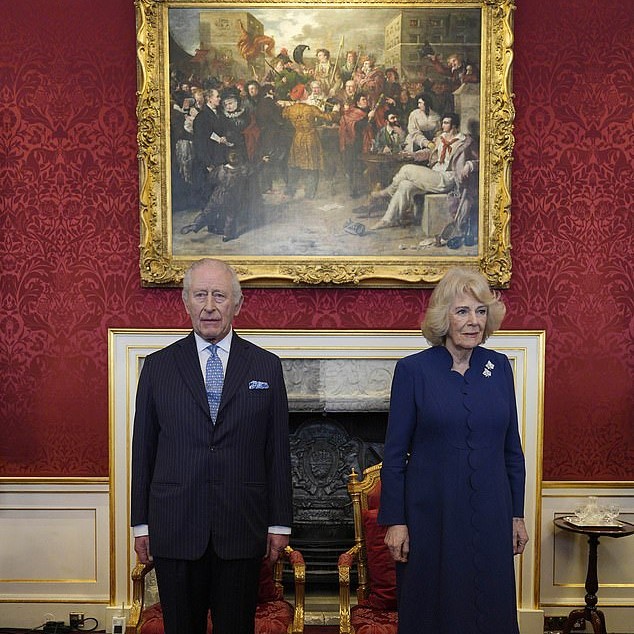
A whistleblower’s email from 2019 proves King Charles was warned that Andrew was abusing the Royal name for his own secret deals. For years, the Palace chose to shield him while he traded on his title for profit. These recent statements from the King and Prince William are not… pic.twitter.com/BiIKAxz6J6
— 🇬🇧King 🇬🇧 (@King0243_PJC) February 22, 2026
Receipts
Here’s what’s solid vs. what’s still in the realm of allegation and dispute.
Confirmed:
- Andrew Mountbatten-Windsor, formerly the Duke of York, served as a UK trade envoy from 2001 to 2011, undertaking taxpayer-funded trips to places including China and former Soviet states.
- Andrew maintained close ties to financier David Rowland and Rowland’s son Jonathan, who joined him on some official trips.
- Rowland once gave Sarah Ferguson 40,000 toward her debts and, in 2017, paid off a 1.5 million loan for Andrew.
- In 2019, a whistleblower with detailed knowledge of Andrew’s business relationship with Rowland sent an email via royal lawyers addressed to Charles (then Prince of Wales), warning of “abuse” of the Royal Family’s name.
- A second email was sent to David Rowland, copying in senior palace and legal figures, accusing him of abusing royal connections.
- Andrew was recently arrested on suspicion of misconduct in public office, questioned for about 11 hours, and released under investigation. Police say they are identifying and contacting former and serving officers who protected him, asking them to share any relevant information.
- The misconduct-in-public-office offence can carry a maximum sentence of life imprisonment, but Andrew has not been charged and denies any wrongdoing.
- Banque Havilland, the Rowland family’s private bank, had its licence withdrawn by the European Central Bank in 2024; the bank is appealing the decision.
- Several senior politicians have publicly called for urgent police investigations into the new evidence and raised the idea of removing Andrew from the line of succession.
Unverified / Alleged:
- The whistleblower’s claim that David Rowland “abused the Royal Family’s name” and paid Andrew to help secure a Luxembourg banking licence for Banque Havilland. Jonathan Rowland strongly rejects this, calling the suggestion “idiotic.”
- Allegations that Andrew used an official UK trade mission to secretly help his associates clinch a multi-million-pound oil deal with China, hoping to make “tons of money” alongside Jeffrey Epstein.
- Claims that Andrew passed potentially confidential or sensitive documents to Epstein. These have not been tested in court.
- The whistleblower’s assertion that Andrew viewed his relationship with Rowland as more important than his family ties.
- Reports that a British ambassador warned the government, more than two decades ago, that Andrew’s trade-envoy behavior was damaging both the UK and the Royal Family.
Police are now being urged by multiple politicians and legal voices to examine the whistleblower’s dossier, which a newspaper has offered to share with investigators.
Backstory (For Casual Readers)
If you checked out of the Prince Andrew saga a few seasons ago, here’s the quick reboot.
Andrew is King Charles’s younger brother and the late Queen Elizabeth II’s second son. For years, he was styled His Royal Highness The Duke of York and served as a UK trade envoy, flying the flag for British business abroad. Then his long-standing friendship with convicted sex offender Jeffrey Epstein blew up in the press.
The fallout included that catastrophic TV interview where Andrew tried to explain away his ties to Epstein and the photo of him with then-teenager Virginia Giuffre. After intense public and political pressure, he stepped back from royal duties, lost his honorary military roles, and stopped using the “His Royal Highness” style in an official capacity. He later settled Giuffre’s civil lawsuit in the United States with a payment and no admission of liability.
Despite all that, he has remained part of the family circle at major events and, crucially, remains in the line of succession. That’s the part that increasingly doesn’t sit well with many people inside and outside the UK.
What’s Next
Legally, the next moves rest with the police and prosecutors. Officers are sifting through evidence, reaching out to those who protected Andrew during his trade-envoy years, and considering any new material – including, potentially, the whistleblower dossier described in recent reporting.
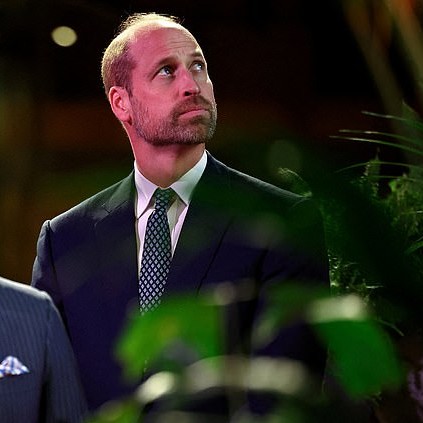
There are also mounting calls for senior royals to cooperate fully if asked. Prominent victims’ rights lawyer Gloria Allred has urged King Charles and the Prince and Princess of Wales to give statements to investigators if requested – or even to volunteer them – as a concrete way to back their stated support for victims.
On the political side, expect renewed debate over whether Andrew should legally remain in the line of succession. Some ministers and opposition figures are already saying it’s time to legislate him out, arguing that whatever happens in the criminal investigation, the symbolic damage is done.
The palace, for now, is in its familiar “no comment while an investigation is ongoing” mode, with sources indicating that any relevant material held by journalists should go straight to the authorities. That’s standard, but it also means the public is stuck in limbo, watching the drip-drip of allegations while official answers lag far behind.
If the police decide there’s enough to move from “suspicion” to charges, this shifts from scandal to full-blown constitutional headache. If they don’t, the pressure won’t simply vanish. The reputational question – how a modern monarchy handles a deeply compromised prince in its own house – will still be sitting there, waiting for King Charles to answer it.
Your turn: Do you think Parliament should formally remove Prince Andrew from the line of succession, or is that a step too far given he hasn’t been charged?
Sources: This analysis is based on a detailed February 2026 investigation by a UK newspaper, public statements from UK law enforcement, and on-record comments from British politicians and attorney Gloria Allred.


































Comments