

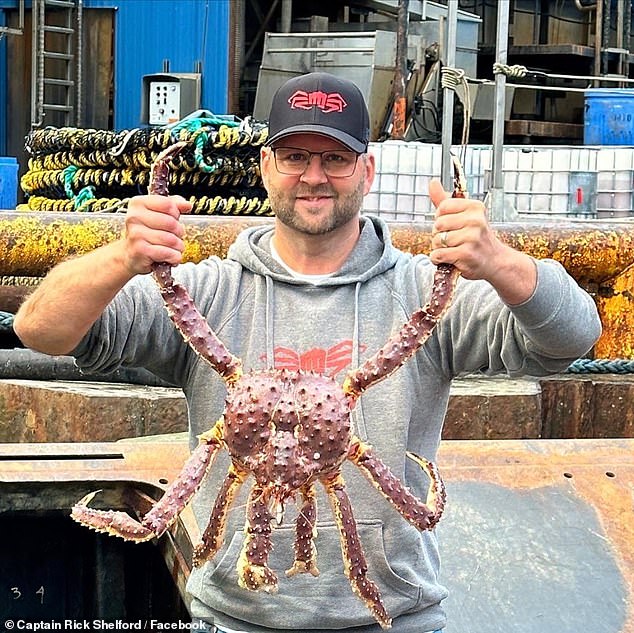
A hit show built on danger just collided with its real cost.
Twenty-five-year-old deckhand, Todd Meadows, died after going overboard in the Bering Sea on Feb. 25, according to on-record accounts from his crew and ongoing Coast Guard review. The specifics are wrenching-claims of a rescue harness failure, frantic retrieval attempts, and prolonged CPR-while the broader question looms larger: if this doesn’t force a safety reset, what will?
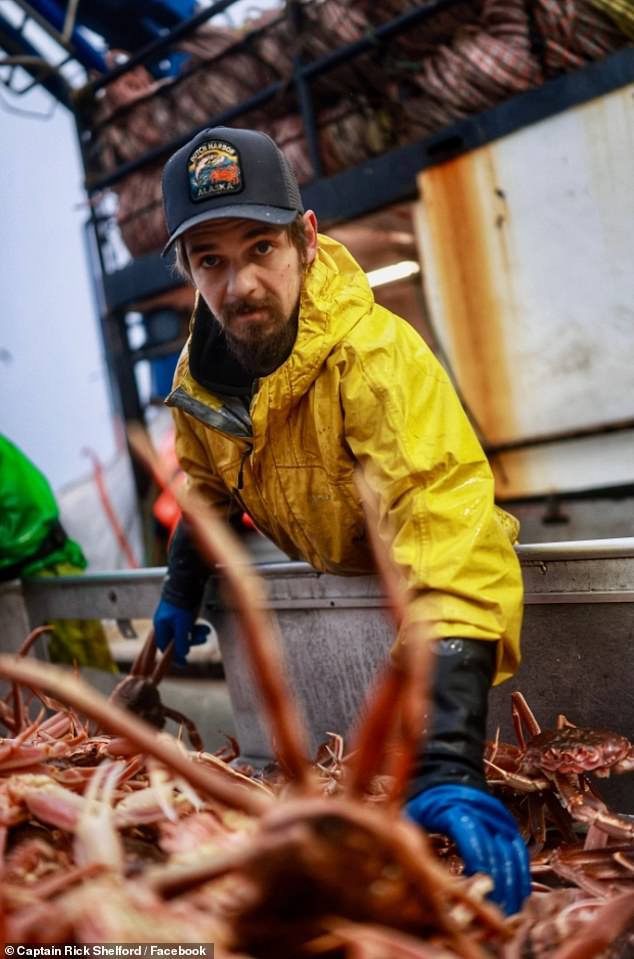
Here’s the tightrope: audiences tune in for peril; workers deserve protection. Cameras rolling or not, the duty of care isn’t optional.
The Moment
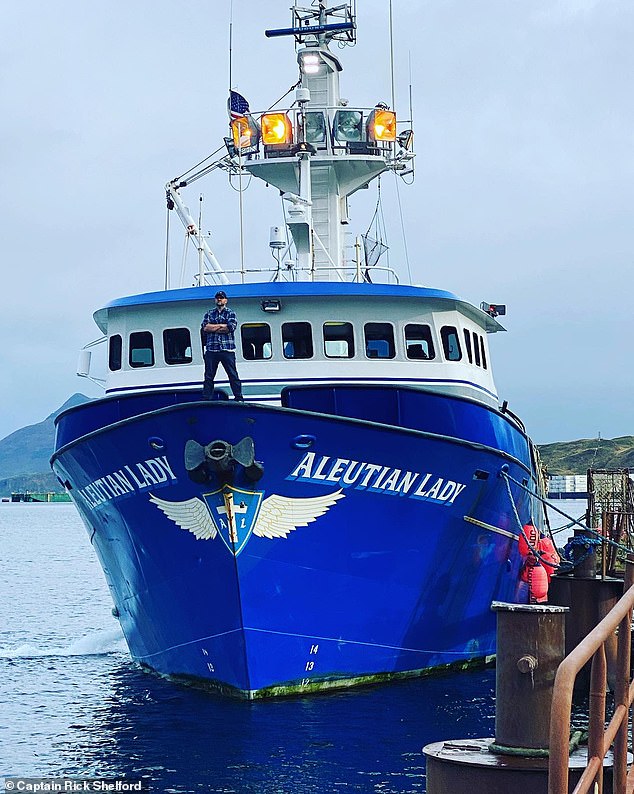
What’s known so far is grim. Meadows went into the water during a fishing operation reportedly aboard the Aleutian Lady, captained by Rick Shelford. A deckhand who was there says a designated rescue swimmer entered the water and a harness connection failed, complicating efforts to bring Meadows back aboard.
The crew reportedly made multiple retrieval attempts and then performed CPR for about 45 minutes, including with an AED, before efforts were halted. The Coast Guard has opened a probe into the circumstances of the incident, which is routine after a fatality at sea.
There are also reports that production cameras captured the emergency. Whether that footage ever airs, or how, is a separate moral calculus. Either way, a young man is gone, and a dangerous industry faces fresh scrutiny.
The Take
Let’s separate adrenaline from accountability. Commercial fishing is genuinely one of the most perilous jobs in America. That’s not TV drama-it’s federal data and lived reality. But the idea that peril is inevitable doesn’t mean preventable harm should be normalized.
The flashpoint here is personal flotation and retrieval. A crewmate alleges Meadows wasn’t wearing a lifejacket and that the team generally doesn’t-a cultural reality that’s been shifting, unevenly, as modern PFDs get less bulky and more wearable. If the Coast Guard probe confirms lapses in PPE or equipment maintenance (like a failed harness connection), that’s a call to tighten policy, not a shrug that “the sea is cruel.”
And then there’s the reality TV layer. When a show is built on documenting risk, producers and networks inherit a higher bar for safety planning, training, and redundancy. Viewers may accept danger as part of the narrative; they don’t accept corners cut behind the scenes. If cameras captured this emergency from multiple angles, the network faces a stark choice: air it and confront the ethics head-on, or shelve it and explain why transparency stops where trauma starts.
Bottom line: Danger made the show famous; safety will decide its future.
For now, restraint is the grown-up move. Let investigators do their work. But when findings land, everyone-from the wheelhouse to the network boardroom-should be ready to change what needs changing.
Tragedy strikes ‘Deadliest Catch’: Todd Meadows, 25, dies at sea. Investigation launched. Full story: https://t.co/r3vuSVgUPR pic.twitter.com/X38hwABvhJ
— Complex (@Complex) March 3, 2026
Receipts
Confirmed
- Meadows died after going overboard on Feb. 25 in the Bering Sea; a Coast Guard investigation is underway, per officials’ standard post-incident procedure and media reporting.
- Crew attempted CPR for an extended period and used an AED, per an on-record eyewitness account from a deckhand who was on the vessel.
Reported/Unverified (pending official findings)
- Meadows was reportedly working aboard the Aleutian Lady, captained by Rick Shelford.
- A rescue harness connection allegedly failed during retrieval efforts, complicating the recovery.
- Claims that Meadows was not wearing a lifejacket and that lifejackets were generally not worn on deck by the crew.
- Production cameras reportedly captured the incident from multiple angles.
Backstory (For the Casual Reader)
“Deadliest Catch,” the long-running docuseries that follows Alaskan fishing crews in brutal conditions, has made folk heroes out of working fishermen since 2005. The seas are unforgiving, and the show never pretended otherwise. Over the years, the industry and the series have grappled with safety culture (immersion suits, PFD adoption, deck protocols) while still trying to capture the raw, high-stakes reality of commercial fishing. Meadows’ death lands squarely in that tension point: a young life lost, a community grieving, and a spotlight on whether modern gear and policies are keeping pace with the risks we all watch from our sofas.
What do you think: Where should producers and captains draw the line between documenting real risk and enforcing non-negotiable safety on reality sets at sea?
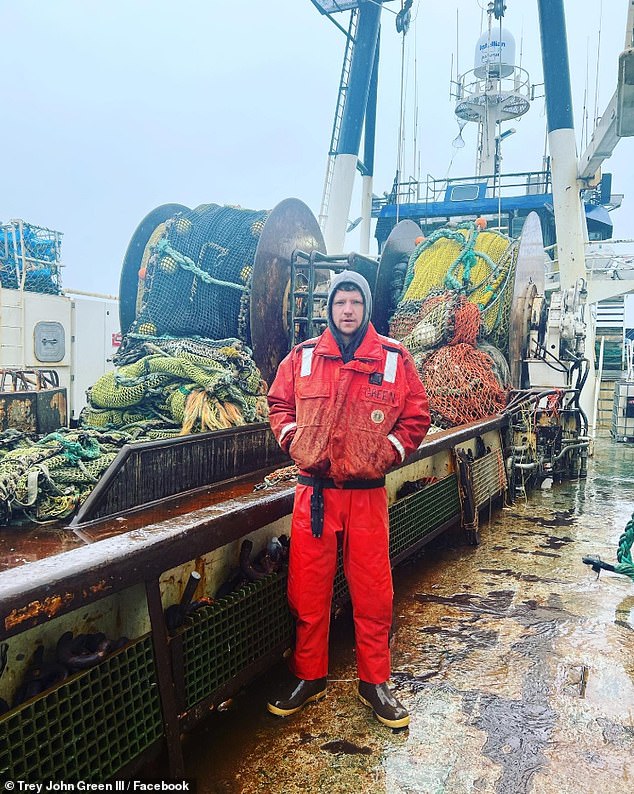
Source notes (publicly available reporting): An on-record interview with deckhand Trey John Green III published Mar. 5, 2026; follow-up coverage published Mar. 6, 2026, summarizing the crew account and Coast Guard probe status.
























































Comments