

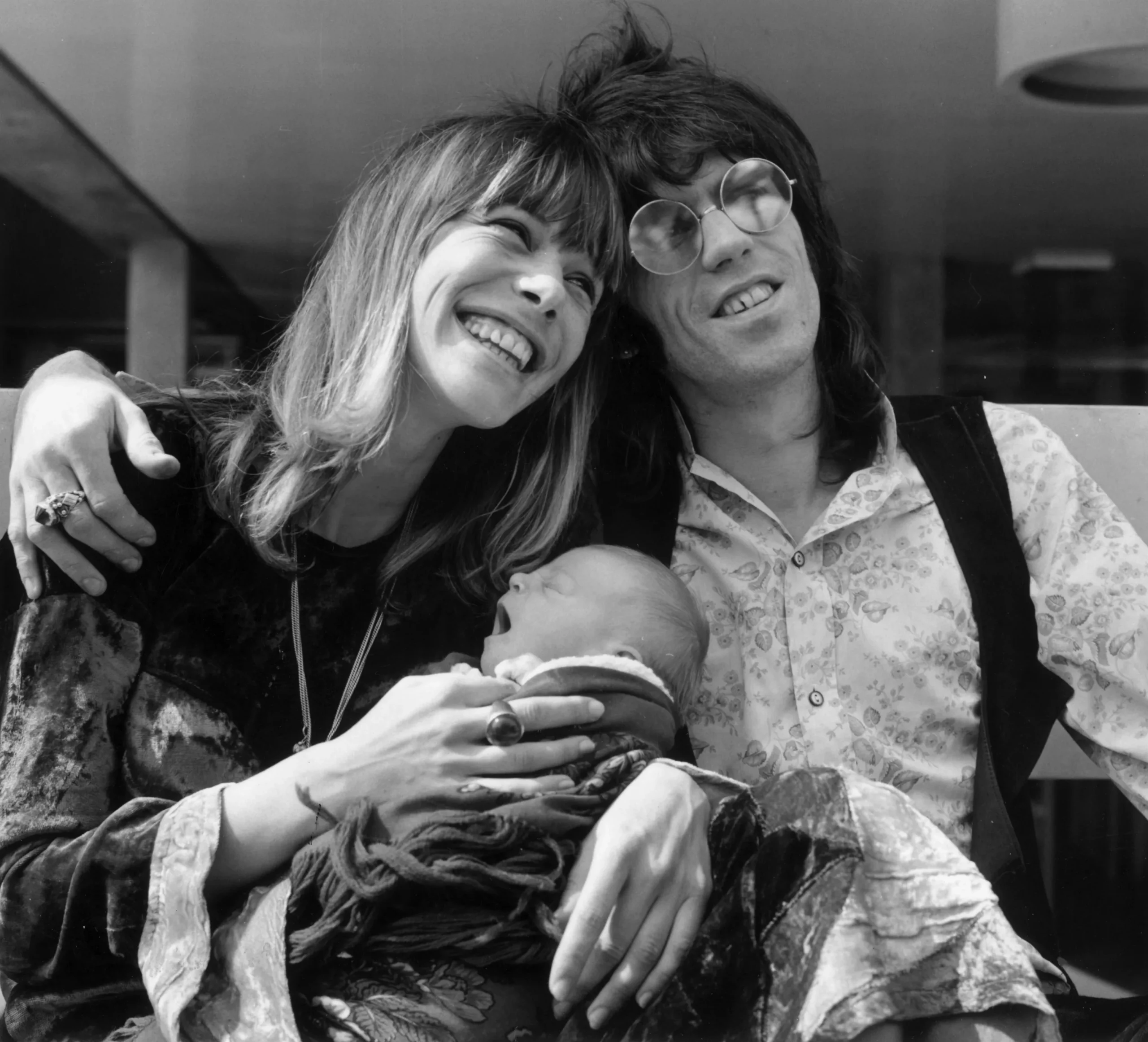
The Moment
Keith Richards is trending again for the same reason he always does: the man’s survival story reads like a rock ‘n’ roll tall tale. Over the weekend, a widely circulated tabloid recap of a forthcoming Rolling Stones biography resurfaced the most dramatic chapters, heroin, arrests, and the night his guitar nearly killed him.
That kind of piece is catnip for nostalgia, but it also mixes real history with fuzzy memory. So let’s do what grown-up fans deserve: separate the legend from the record, and flag what’s off.
The Take
Keith’s image has always been that of an indestructible pirate-meets-blues scholar. He’s told plenty of his own war stories, and many are absolutely true, including the 1965 electrocution scare. But new retellings often add spicy garnish that doesn’t pass the sniff test. A little myth makes for a juicier scroll; it also muddies the actual arc of a man who clawed his way out of a brutal addiction and kept playing at an elite level.
Here’s my read: the verified beats are still jaw-dropping without the embellishments. The arrests? On record. The heroin? He’s spoken about it himself. The near-fatal jolt in Sacramento? Documented. But calling his firstborn “Malcolm” (it’s Marlon), or tossing in a claim that a controversial political figure was the U.S. health secretary? That’s where campfire legend turns into a game of telephone.
Think of it like remembering a wild night out: every retelling adds two shots and loses a shoe. Entertaining, sure, but if you actually care about the Stones, the receipts matter.
Receipts
Confirmed:
- 1965 onstage electrocution in Sacramento: Richards was knocked unconscious after his guitar contacted an ungrounded mic. Contemporary reports and later retrospectives document the incident, with rubber-soled shoes likely saving him.
- Relationship and children with Anita Pallenberg: Richards and Pallenberg had three children: Marlon (1979), Angela (born Dandelion, 1972), and Tara (1976, who died of SIDS as an infant. These details are consistent across obituaries and Richards’ own accounts.
- Heroin addiction and recovery: Richards has openly discussed his heroin use and getting clean, notably in his 2010 memoir and subsequent interviews.
- 1977 Toronto heroin arrest and 1978 sentence: He was arrested in Toronto in 1977; in 1978, he received a suspended sentence and was ordered to perform a benefit concert, as covered in Canadian media and court reporting.
- Recent lifestyle notes: In 2018, Richards said he’d largely quit heavy drinking. In 2020, he said he quit cigarettes. He has acknowledged occasional cannabis use.
Unverified/Reported:
- “Malcolm” as Keith’s son: Incorrect. His son’s name is Marlon.
- Claim that Robert F. Kennedy Jr. was U.S. Health and Human Services Secretary: False. The HHS secretary has been Xavier Becerra since 2021, per the department’s leadership listing.
- Private “Bruce Willis celebration” performance last November: Unconfirmed. No primary, on-the-record report from the artist, family, or official channels corroborates this.
- Colorful anecdotes (e.g., openly using cocaine in restaurants): Frequently repeated in secondary accounts; not independently corroborated in court records or primary sources.
Backstory (For Casual Readers)
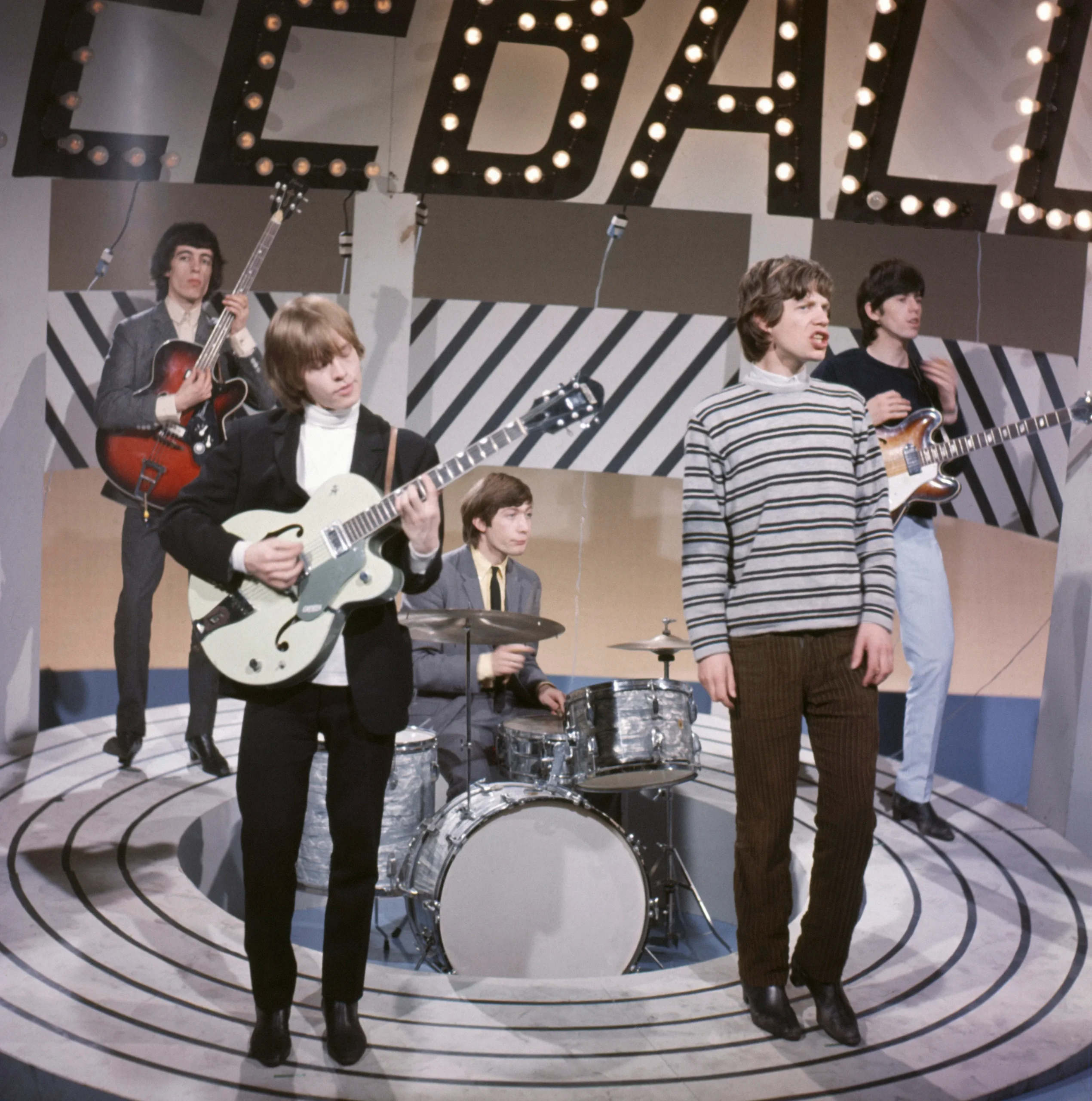
For anyone just tuning in: Keith Richards, 82, is the Rolling Stones’ co-founder and riff machine behind staples like “Start Me Up” and “Brown Sugar.” His long relationship with actress and model Anita Pallenberg defined the band’s late-’60s glam-and-grit era; they shared three children and an infamous, chaotic lifestyle. After legal trouble and addiction in the ’70s, Richards stabilized, married model Patti Hansen in 1983, and kept touring for decades. The Stones are one of the few bands from that era still filling stadiums, with Keith’s rhythm work and stage presence holding the center.
What’s Next
Expect another round of headlines when the next major Stones biography drops – and, if history is a guide, more friction between colorful anecdotes and the public record. If Richards or his camp see factual errors gaining traction (names, titles, timelines), look for a quiet correction or a pointed aside in an interview.
For fans, the best signal on Keith remains the music and official channels: tour announcements, reissues, and the occasional sit-down where he jokes about longevity while reminding us he’s still here, still playing. That’s the part of the legend no one needs to embellish.
When rock legends get retold, do you prefer the messy, mythic version, or the version that sticks to what can be proved?
Sources:
- Keith Richards, “Life” (2010, Little, Brown).
- Rolling Stone interview: “Keith Richards Is (Mostly) Sober Now” (Dec. 2018).
- Rolling Stone retrospective on the 1965 Sacramento incident (Nov. 2015).
- CBC/Canadian Press coverage of the 1977-78 Toronto case and sentencing (1978).
- The Guardian obituary for Anita Pallenberg (June 2017).
- U.S. Department of Health and Human Services leadership page (accessed April 2026).










































































Comments