

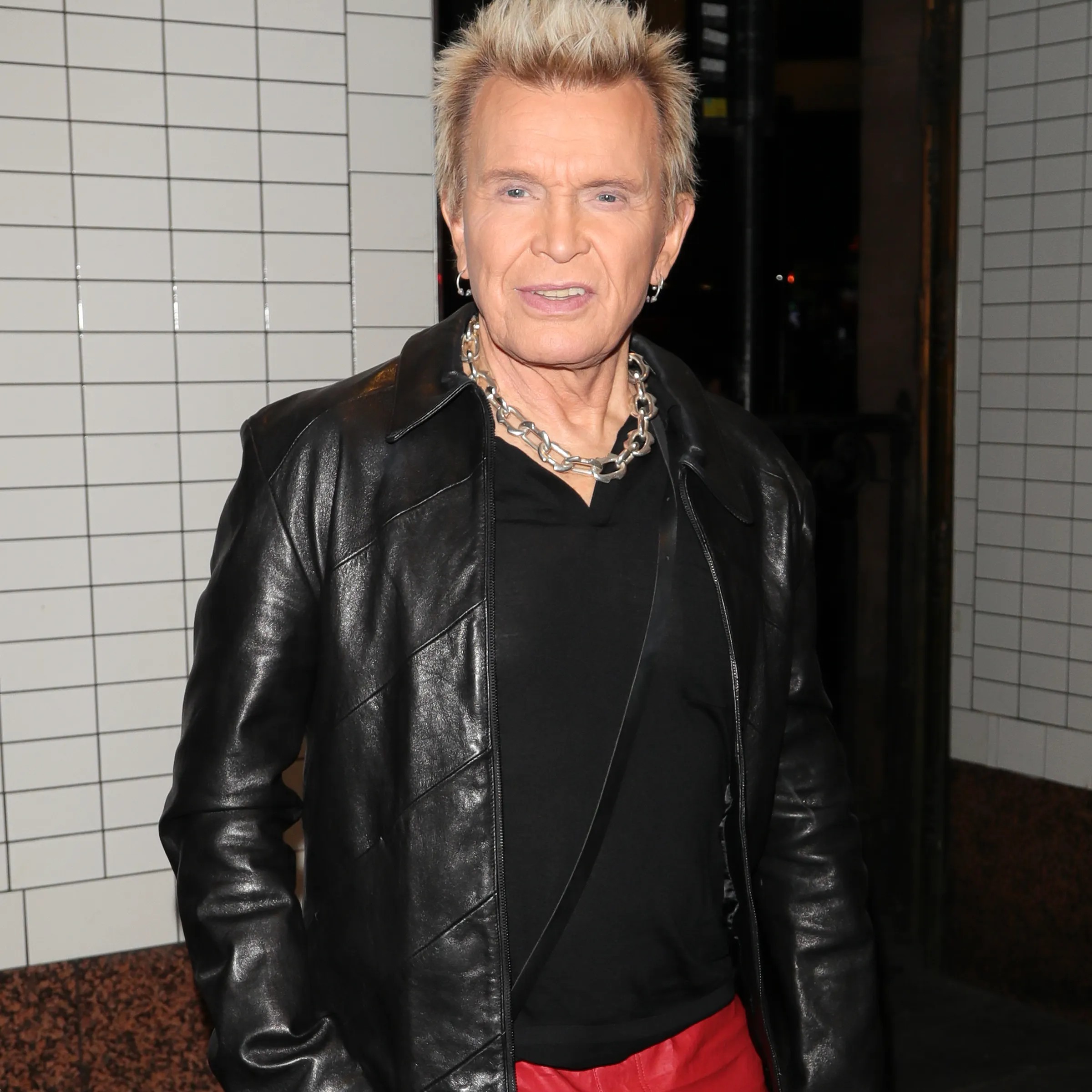
Billy Idol just handed the internet a live grenade: he says smoking crack helped him quit heroin. On a new taping of Club Random with Bill Maher, the 70-year-old star laughed and said, “It worked.”
I’m not here to clutch pearls, but let’s be adults. This is one man’s survival story, not a wellness regimen. It’s honest, it’s messy, and it sits right at the fault line where celebrity confession meets public health reality.
The Moment
During a recent Club Random conversation, Idol explained the thinking that led him from heroin to crack: when you’re getting off one drug, “you go to something else.” Asked point-blank if he really did it, he answered, “It worked. It worked.”
The confession lands alongside the new documentary Billy Idol Should Be Dead, which traces the near-misses and bad bets that almost cost him his career-and his life. The film premiered at the Tribeca Festival on June 10 and rolled out to wider audiences on Thursday, Feb. 26.

Idol also framed where he is now: “California sober,” meaning he sometimes takes cannabis in pill form and hasn’t done cocaine in about two decades. He’s said he’s lucky to be alive and fully aware that in the fentanyl era, his 1980s behavior could have been a death sentence.
“I had it all, and I lit it with butane.”
The Take
Let’s separate shock value from substance. Does swapping heroin for crack sound like lighting a fire to put out a fire? Yes. But addiction isn’t a tidy hallway of doors marked “good” and “bad.” People in crisis make imperfect choices that sometimes buy them just enough time to crawl toward stability.
Here’s the rub: Idol isn’t endorsing a method; he’s recounting a past he somehow lived through. That distinction matters. We can respect the candor and still say, loudly, that replacing one illicit drug with another is not evidence-based care. Harm reduction exists (and saves lives), but it’s worlds apart from self-directed street substitutions.
Culturally, this moment is a Rorschach test. Some will hear hard-won truth-telling; others will hear glamorization. Both reactions are understandable. My read? It’s like admitting you jumped from a burning car into a moving truck, then found a way to grab the wheel. Not advisable. But if you made it, you speak plainly so someone else doesn’t have to try it.
Idol’s take also punctures the fantasy of perfectly linear “clean” narratives. Long-term recovery often looks like zigzags, relapses, and renegotiated identities. The headline may sizzle, but the underlying point is stubbornly human: survival is rarely pretty.
Receipts
Confirmed
- Idol stated on Club Random with Bill Maher that he used crack to stop using heroin, adding, “It worked.” (On-record podcast appearance, March 2026)
- Billy Idol Should Be Dead premiered at the Tribeca Festival on June 10 and had a wider release on Thursday, Feb. 26, 2026. (Festival program and release materials)
- Idol has described himself as “California sober,” saying he uses cannabis in pill form and hasn’t done cocaine in roughly 20 years. (Same Club Random appearance)
- He has publicly reflected on how lucky he is to be alive and noted that today’s fentanyl-laced supply would likely have killed him. (On-record interviews and documentary commentary)
Unverified/Contextual
- Specific clinical efficacy of substituting crack for heroin: there is no recognized medical protocol endorsing this; addiction specialists do not recommend replacing one illicit substance with another.
- Casting fallout details from his 1990 motorcycle crash have circulated for years and are part of rock lore; they are not addressed in depth in the latest primary sources cited here.
Backstory (For the Casual Reader)
If your heyday soundtrack included “White Wedding” and “Rebel Yell,” you already know Billy Idol’s rebel brand wasn’t a stage prop. The London-born punk from Generation X broke out as a solo star in early-’80s America and rode MTV to arena fame. Offstage, the appetite matched the image. A 1990 motorcycle crash nearly cost him his leg and forced a reckoning that unfolded over decades, not months. He became a father in the late ’80s, kept making records, toured through reinventions, and, by his own telling, learned to survive the version of himself that once tried to burn it all down.
One more necessary note: Idol’s account is his path, not a template. If you or someone you love is struggling with substance use, connect with licensed professionals or local support services. Recovery isn’t easy, but it is possible without playing chemical roulette.
Your turn: When celebrities share messy, uncomfortable details about their recovery, does the honesty help reduce stigma or risk sending the wrong message?
Sources:
- Club Random with Bill Maher – Billy Idol episode, March 2026 (primary audio/video)
- Tribeca Festival program notes for Billy Idol Should Be Dead, June 10 premiere; distributor release info, Feb. 26, 2026
- The New York Times profile on Billy Idol discussing past risk-taking, 2026
- Associated Press interview with Billy Idol reflecting on drug culture and survival, April 2025

















































Comments