

The Moment
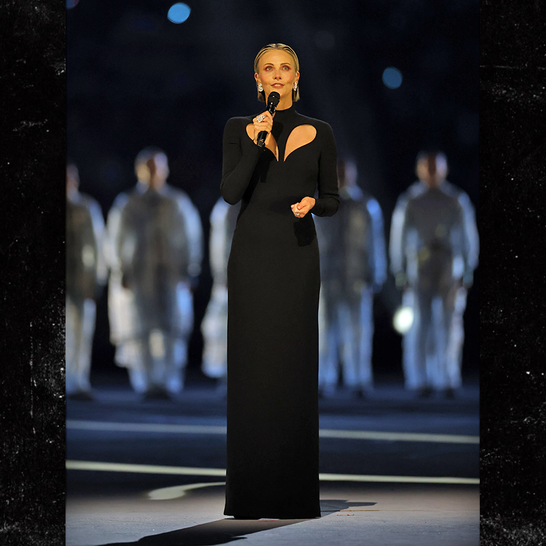
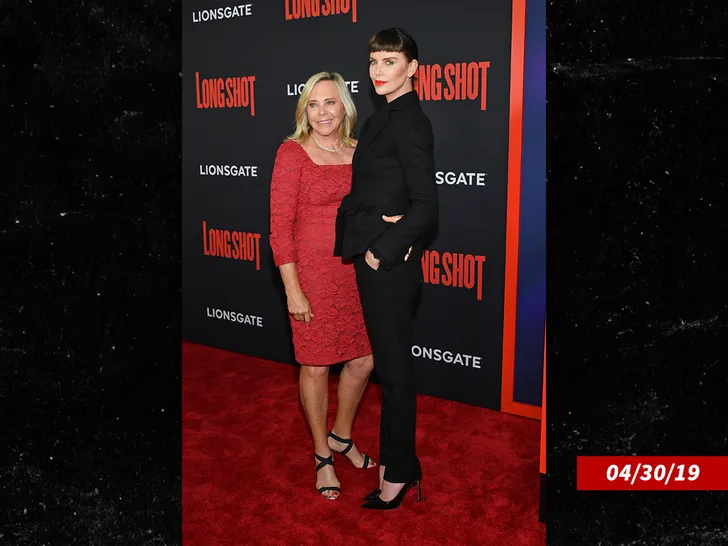
Charlize Theron has reopened a chapter she’s never hidden but rarely sits with this plainly: the night her mother shot and killed her father in self-defense when Charlize was a teenager in South Africa. In a new New York Times Magazine interview published April 18, 2026, she recounts her father arriving drunk and violent, bullets ripping through a bedroom door as she and her mother braced it with their bodies. Her mother returned fire. Charlize’s words this time are steady and startling: “He was going to kill us,” and, crucially, she says she’s “not haunted” now; she’s speaking up to help others feel less alone.
This isn’t a salacious reveal; it’s a recalibration. Theron is choosing survival language over spectacle, and in 2026, that choice lands differently, especially from an action star whose on-screen toughness has long mirrored a very real off-screen past.
The Take
I’ve watched Hollywood try to turn pain into promo reels for years, and this doesn’t read like that. It reads like a woman who’s done the work, setting a boundary on how her story gets used. Theron isn’t centering the horror; she’s centering what she and her mother did next. That distinction matters. It’s the difference between a movie trailer cut around the bang and a life built around the aftermath.
There’s also a cultural reset here. We’ve evolved from “brave confession” headlines to something sturdier: agency. When Theron says she’s not haunted, she’s not denying the violence; she’s rejecting the idea that violence gets the final word. And yes, it reframes her body of work. The woman who made Furiosa feel feral and precise, who stalked through Atomic Blonde with bruised elegance, is telling us the armor isn’t costume; it’s craft informed by life, not defined by it.
If celebrity trauma once felt like tabloid currency, Theron is swapping it out for store credit in empathy. The analogy that keeps coming to mind: She’s not reopening a wound; she’s showing the scar, proof of injury, proof of healing, and proof she kept moving.
Receipts
Confirmed
- In a New York Times Magazine interview published April 18, 2026, Theron says her father arrived drunk and violent, that bullets came through a bedroom door as she and her mother held it shut, and that her mother shot him. She adds she is “not haunted” and is speaking out to support others who’ve endured domestic violence.
- Theron has previously described the incident as self-defense and said she was 15 at the time, including in a December 2019 NPR Fresh Air interview, where she discussed her father’s alcoholism and the shooting as a life-defining event.
- She also addressed her father’s abuse and the self-defense shooting on SiriusXM’s The Howard Stern Show in 2017, underscoring that her mother protected them.
Unverified
- Specific legal language (for example, an official ruling phrased exactly as “ruled self-defense” in a court document) has been widely reported over the years, but an original, publicly available court filing was not cited here.
- Any direct line from this event to specific casting decisions remains interpretive; Theron has connected her outlook to her experience, but she hasn’t claimed individual roles were chosen solely because of it.
Backstory (For Casual Readers)
Theron, the South African-born Oscar winner for Monster and star of films like Mad Max: Fury Road, has long been open about growing up with an abusive, alcoholic father. The shooting happened in 1991 at the family home outside Johannesburg. Over the years, she’s spoken about how her mother’s act was self-defense and how the experience shaped her views on strength, safety, and the refusal to normalize abuse. She later moved to the United States, built a top-tier acting career, and has used her platform for philanthropic work focused on youth and safety in Africa.
What’s Next
Expect a follow-up conversation as more readers encounter the full New York Times Magazine profile and as Theron continues press around current and future projects. Watch for any additional on-record comments from Theron or her mother, and for survivor-focused advocacy that ties to this renewed visibility. If she keeps guiding the narrative, emphasizing resilience over retraumatization, don’t be surprised if studios and press start mirroring that language in how they frame her work.
When a star shares a deeply personal survival story, what framing feels respectful and helpful to you – and where do you think the line is?






Comments