


The Moment
Keith Richards’ wild years are having yet another cultural encore. Fresh anecdotes are circulating, with a forthcoming Rolling Stones biography teased by a major author’s publisher listings and the usual whisper network dusting off the most sensational drug tales. The tone? Heavy on the myth, light on the footnotes.
Let’s pause. Richards is 82, still working, and still the shorthand for rock-and-roll indestructible. But the new buzz revives old stories about heroin, speedballs, and disaster-tour glamour without much separation between what’s confirmed and what’s colorfully retold.
I’m all for a good rock yarn. I’m not for romanticizing addiction like it’s a backstage pass to genius. Time to sort the legend from the ledger.
The Take
Here’s the truth that never trends: addiction is not a mood board. Yes, Richards survived more close calls than a touring bus. But the survival is the exception, not the lesson. When we swoon over the “heroin years,” we turn a house fire into mood lighting.
Richards himself has never been coy about the chaos. In his own words, heroin once made anything “possible.” That line gets quoted like a magic spell, but he also documents the wreckage-legal trouble, near-fatal moments, and the strain on the band and his family. The riffs didn’t magically arrive because of the drugs; they arrived despite the drugs, with talent, discipline on stage, and a superhuman tolerance for pain and consequences.
And the “cat with ninety-nine lives” framing? Catchy. Also misleading. The man wasn’t bulletproof; he was lucky. Rubber-soled shoes during an onstage electrocution in 1965-lucky. Landing in courts that offered a path back instead of a locked door, lucky. Meeting a partner who anchored him after a scorched-earth decade was lucky. Luck is not a wellness plan.
We can honor the music without airbrushing the cost. Celebrate the work, challenge the worship of the wreckage. Think of it this way: applauding the drug spiral as creative fairy dust is like crediting turbulence for getting you to Paris. No, the pilot did.
Receipts
Confirmed
- Onstage electrocution scare in Sacramento (Dec. 1965): Richards describes being knocked out after touching an ungrounded mic; eyewitness accounts date to the time. Source: Keith Richards memoir “Life” (2010); contemporaneous reports (Dec. 1965).
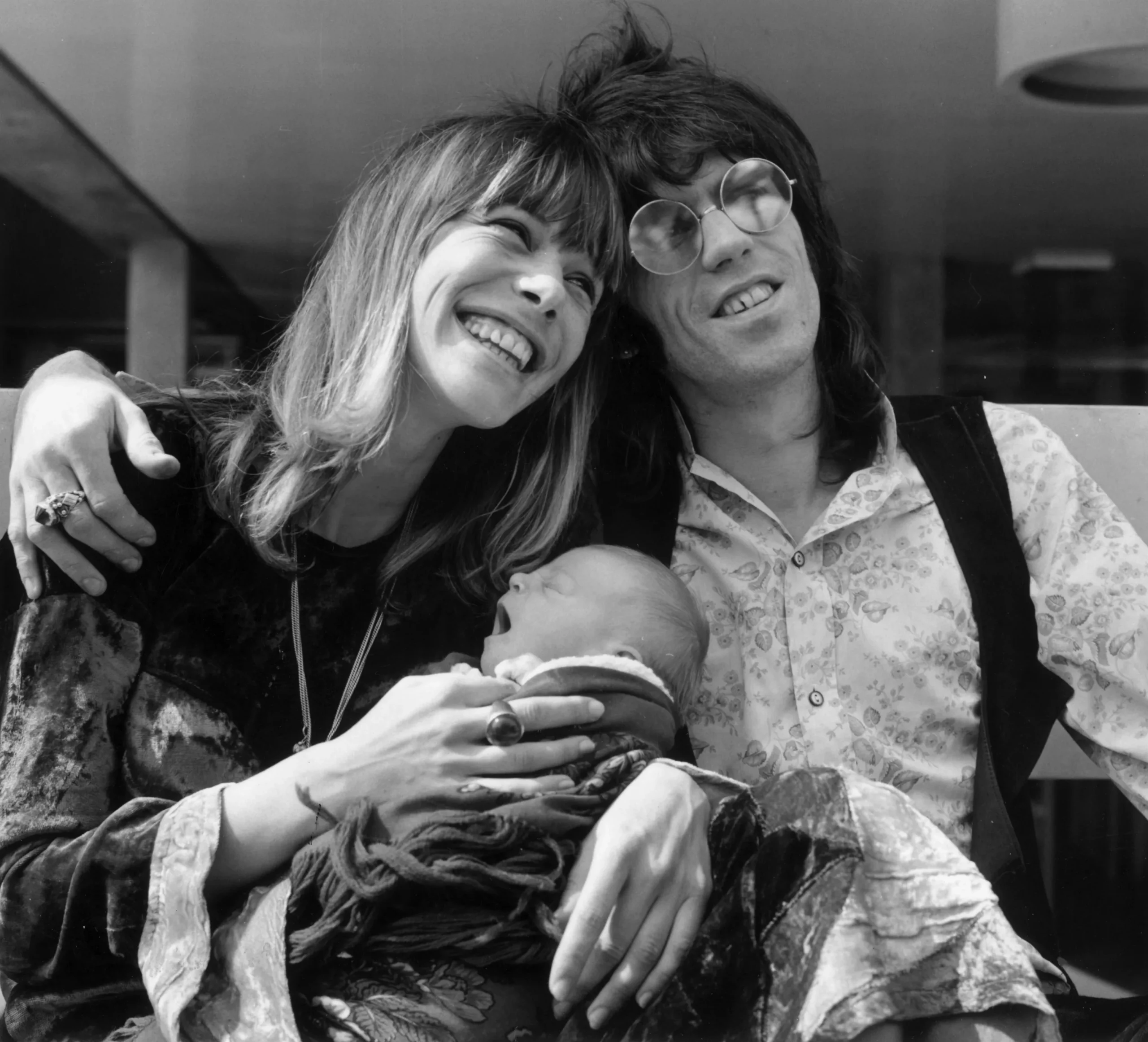
- Relationship with actress-model Anita Pallenberg, three children together, and profound turmoil in the late ’60s/’70s. Source: “Life” (2010); family statements and obituaries for Pallenberg (2017).
- Villa Nellcote era (1971) during the making of Exile on Main St., marked by heavy drug use and a rotating cast of visitors. Source: The Rolling Stones’ official site/history pages on Exile on Main St. (accessed Apr. 19, 2026); “Life” (2010).
- Drug arrests across 1967-1978, including the high-profile 1977 Canadian heroin case, were resolved in 1978 with a suspended sentence and court-ordered benefit. Source: Canadian court records and contemporaneous wire reports (Mar.-Oct. 1978).
- Country-rock singer Gram Parsons died in 1973 at age 26 of a drug overdose. Source: Riverside County coroner determination (1973) and family/management statements (1973).
- Richards said he quit cigarettes in recent years and discussed cutting back on substances. Source: On-record TV interview on CBS Sunday Morning (Oct. 2023).
Unverified/Reported
- Specific claims about a tour doctor regularly administering Demerol on demand and daily morphine injections during improvised detox attempts. These appear in secondhand anecdotes and are not corroborated by primary documents.
- Graphic scenes (e.g., being dragged along the ground “for fifty yards” during a go-kart mishap) are described in colorful retellings without clear, on-the-record sourcing.
- The characterization of a benefactor supplying an “unlimited” stream of drugs is reported in recollections; scope and frequency are not document-verified.
- Recent buzz linking Richards to a private November concert “celebrating” a specific A-lister has circulated without on-record confirmation.
- Quotations and stories attributed to an unreleased, forthcoming biography by Bob Spitz remain unconfirmable until publication; treat early chatter as promotional or anecdotal.

Backstory (For Casual Readers)
Richards, the Rolling Stones’ riff machine and cultural constant since the early ’60s, became a lightning rod for the idea that rock genius requires danger. The late ’60s through late ’70s saw him in a brutal cycle of hard drug use, arrests, and near disasters, alongside world-shaping music. His relationship with actor-model Anita Pallenberg, a muse and co-conspirator in that period, was both formative and fraught. By the late ’70s and early ’80s, legal consequences and life changes forced a reckoning. He remained the band’s anchor on stage, got healthier over time, and, yes, kept working-decade after decade-proving longevity and craft outlast even the loudest legend.
What’s Next
Watch for the official release of the new Rolling Stones biography and any on-the-record responses from Richards or the band’s camp once people can cite pages, not whispers. If there’s updated archival material-photos, court filings, or fresh interviews-that add nuance, even better. The Stones’ machine rarely sleeps, so expect more performances, reissues, and interviews; if Richards chooses to address the renewed focus on his drug era, it’ll likely be in a careful, on-record setting rather than a comment-section scrum.
One last request: when the book drops and the anecdotes fly, let’s keep two lanes open-appreciation for the music, and respect for the real cost of addiction. Both can be true.
Do you think the culture can finally celebrate Richards’ artistry without glamorizing the chaos that almost cost him everything?
Sources: Keith Richards, “Life” (2010); The Rolling Stones official site, Exile on Main St. history (accessed Apr. 19, 2026); Canadian court records re: 1977-78 Toronto heroin case (Mar.-Oct. 1978); CBS Sunday Morning interview (Oct. 2023); publisher listings indicating a forthcoming Rolling Stones biography by Bob Spitz (2026).
















































































Comments