

The Moment
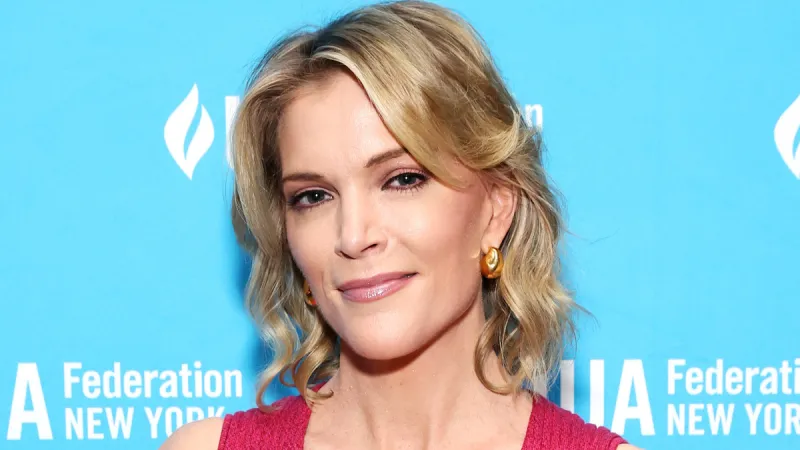
Megyn Kelly is done whispering about menopause. On a recent episode of “The Megyn Kelly Show” on SiriusXM, the 55-year-old broadcaster told guest Josh Duhamel that she’s on HRT (hormone replacement therapy) and “loves it,” crediting it with clearing brain fog, brightening skin, and even easing dry eyes.
“There’s no shame in getting older,” she said on-air, adding that too many women avoid talking about menopause because it feels like an admission of age. Duhamel answered with the kind of compliment that launches headlines: if there’s a “poster child” for HRT, he joked, it’s Kelly.
Her candor sparked a wave of responses from listeners and social-media users sharing their own experiences, some celebratory, some cautious, reminding everyone that menopause isn’t a one-size-fits-all journey.
The Take
I’ll say it: this is a good use of a celebrity microphone. Kelly isn’t pitching a gummy vitamin; she’s normalizing a stage of life that half the population walks through, and most of us were taught to endure in silence. When a high-profile woman says, “I’m on hormone therapy, and it helped,” it nudges the conversation out of the shadows.
But let’s keep it real. HRT is a tool, not a magic wand. For many women, especially those under 60 or within about 10 years of their final period, major medical groups say it can be the most effective relief for hot flashes, sleep disruption, and brain fog. For others, it’s not appropriate or not preferred, whether due to medical history or personal comfort. Think of it like reading glasses: wildly helpful for millions, not the right prescription for everyone, and best fitted by a professional.
What I appreciate here isn’t the glow-up testimonials; it’s the open door. The taboo around menopause has forced too many women to MacGyver their health in private. If Kelly’s “no shame” stance gets more people talking to their doctors about HRT, non-hormonal meds, lifestyle tweaks, all of it, that’s progress.

Receipts
Confirmed:
- On “The Megyn Kelly Show” (SiriusXM), Kelly said she uses HRT and described improvements in brain fog, skin, and dry-eye symptoms, adding there’s “no shame” in aging; she discussed this during an interview with actor Josh Duhamel. (Primary: on-air segment, April 2026)
- Major medical groups state that hormone therapy is the most effective treatment for hot flashes and other vasomotor symptoms for many healthy, recently menopausal women, with individualized risk-benefit discussions advised. (American College of Obstetricians and Gynecologists patient guidance, updated 2024; North American Menopause Society 2023 position statement)
Unverified/Reported:
- Individual social-media posts claiming HRT is “life-saving” or universally transformative are personal anecdotes, not clinical findings.
- Any implication that HRT universally improves eye health or skin quality is based on Kelly’s personal experience; outcomes vary and depend on medical history and formulation.
Backstory (for Casual Readers)
Megyn Kelly, a former Fox News and NBC host, now leads a popular talk show on SiriusXM where she blends politics, pop culture, and personal life. Hormone replacement therapy replenishes estrogen (and often progesterone) that declines during menopause. It comes in pill, patch, and gel forms. Medical bodies say it can meaningfully ease symptoms like hot flashes and sleep issues, but it’s not for everyone, especially some people with a history of breast cancer, blood clots, or uncontrolled high blood pressure. The key is an individualized plan with a clinician who knows your health history.
What’s Next
Expect more straight talk. Kelly’s audience responds when she gets personal, so don’t be surprised if she invites a menopause specialist to unpack the nuances: doses, delivery methods, risks, and non-hormonal alternatives. Separately, keep an eye on continuing guidance from medical societies as new research refines who benefits most from HRT and for how long. For listeners, the pragmatic next step is simple: bring your questions to a trusted clinician and map what fits your body, not someone else’s.
Do open conversations like Kelly’s make you feel more comfortable exploring menopause options, or do you prefer to keep that guidance strictly between you and your doctor?















































































Comments