

The Moment
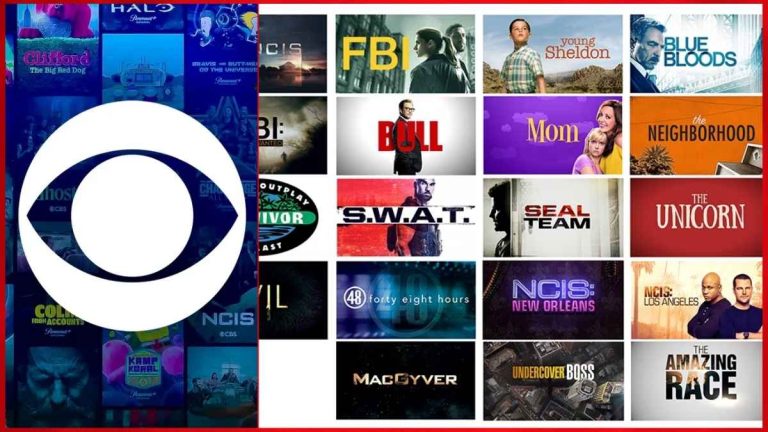
It’s that time again: the annual spring thinning of the TV herd. Over the past week, social feeds have been buzzing with tallies claiming multiple cancellations across major broadcasters and streamers for the 2025-26 and 2026-27 seasons. The numbers flying around are eye-catching, counts pegged to CBS, NBC, Netflix, and others, and they’re landing right as networks gear up for May schedule reveals.
Some series are officially ending, others are quietly canceled, and a few are in that murky gray zone where no one wants to say the C-word before contracts are inked. If it feels like more shows are getting the axe in 2026, you’re not imagining it, but the full story is more nuanced than a scary headline.
The Take
I love a dramatic “TV bloodbath” as much as the next doomscroller, but let’s separate the seasonal panic from the bigger picture. We’re living in the post-“Peak TV” comedown. After a decade of more-is-more, the check finally came. Streamers are tightening belts, broadcast is allergic to risk, and anything that isn’t a breakout or a reliable utility player is vulnerable.
Think of spring cancellations like closet clean-out day: the networks aren’t tossing your favorite sweater to be cruel; they’re making room for the stuff they think will actually fit next fall, procedurals that travel, formats that repeat, and franchises that sell internationally. That doesn’t make it less painful when a charming mid-rated drama disappears, but it explains why it happens all at once.
Three forces are steering 2026’s cuts:
- Scale shock: After the “Peak TV” high, the industry is normalizing. Fewer scripted series overall means tougher renewal math for shows without clear growth.
- Strike ripple: The 2023 labor stoppages compressed timetables, shuffled pilots, and pushed decisions downstream. Some series lost momentum or windows they needed to survive.
- Library over novelty: Platforms learned that a steady diet of dependable, repeatable hits (hello, comfort procedurals) retains subscribers better than endless one-and-done experiments.
Here’s the reality check amid the noise: late-March lists blend three different buckets, outright cancellations, planned final seasons, and shows not on the next slate yet (which can still come back). Until a network press site, scheduling grid, or an official show account says the word, take every tally as provisional.
Receipts
Confirmed:
- U.S. TV is past “Peak TV”: FX Research publicly reported a decline in total scripted originals after 2022’s high-water mark, signaling a contraction that affects renewals.
- Networks and streamers confirm cancellations and final-season orders on their official press sites and verified social accounts, often clustered ahead of May schedule presentations.
- The 2023 WGA and SAG-AFTRA strikes disrupted production calendars, a ripple effect that continues to shape decisions for 2025-26 and 2026-27.
Unverified/Reported:
- Specific tallies circulating this week (for example, multi-show cuts at CBS, NBC, and Netflix) are widely shared online but may include true cancellations alongside pre-announced endings and shows still in negotiations. Treat these numbers as running counts until each title is confirmed by an official source.
- Any rumored rescues (a canceled show hopping to a new platform) remain speculative until a new deal is announced by the platform involved.
Backstory (for Casual Readers)
For the last decade, “Peak TV” meant more shows than anyone could possibly watch, a content arms race fueled by cable, then streamers chasing subscribers. By 2022, the total number of scripted series hit a record, then began to decline as companies prioritized profit over volume. The 2023 writers’ and actors’ strikes paused production and forced schedule triage, which is still shaking out. Broadcast networks lean on franchises and unscripted to steady ratings, while streamers are learning that buzzy limited series don’t always retain customers the way comfort-food dramas do.
What’s Next
Brace for a choppy April and a louder May. Historically, the clearest signals arrive when networks unveil fall lineups, and streamers lock their next waves. Expect a few surprise renewals (bubble shows with strong international sales or great streaming tales), some dignified final-season orders to wrap stories, and the occasional rescue where a studio shops a canceled series to a new home.
Smart moves for viewers right now:
- Wait for the source: Look for confirmation on a show’s official accounts or its network’s press page before mourning.
- Mind the wording: “Ending with a final season” is not the same as “canceled effective immediately.” It changes whether you’ll get closure.
- Watch counts matter: If your favorite is on the bubble, completing episodes on-platform (not just clips) and catching up quickly can still move the needle.
I get it, it stings when the quirky drama you championed vanishes while another cop spin-off gets ten more lives. But that’s 2026’s TV economy: safer bets, slower growth, and a new respect for shows that play well on weeknights and in the background on a Sunday clean. The upside? When something truly fresh breaks through now, it’s because audiences show up loud enough to make the math undeniable.
What cancellation (or surprise renewal) this season changed your watchlist the most, and did it nudge you toward trying something new or revisiting an old favorite?

















































































Comments